2026 Top Trends in Robotic Systems Innovations and Applications?
The landscape of robotic systems is rapidly evolving. Innovations in this field are transforming industries, enhancing efficiency, and redefining capabilities. According to a report by MarketsandMarkets, the global robotic systems market is projected to reach $216.9 billion by 2026, growing at a CAGR of 26.9%. This growth highlights the increasing adoption of automation in sectors like manufacturing, healthcare, and logistics.
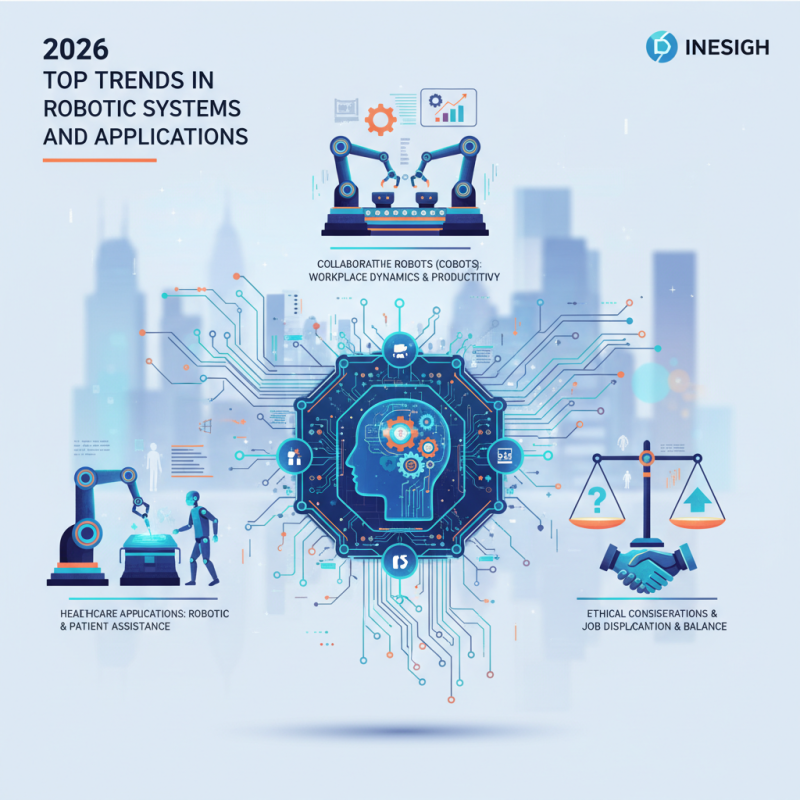
In 2026, we can expect robotic systems to incorporate advanced artificial intelligence, improving decision-making and adaptability. Applications in healthcare, such as robotic surgery and patient assistance, are becoming more prevalent. However, challenges remain. Issues like ethical considerations and job displacement need attention. The balance between technological advancement and human impact is crucial.
Moreover, emerging trends like collaborative robots, or cobots, are changing the workplace dynamics. These systems work alongside humans, increasing productivity while raising questions about safety and interaction. The future of robotic systems presents both exciting opportunities and essential dilemmas that require careful reflection. As we explore these innovations, a critical examination of their implications is essential.
Emergence of Autonomous Robotics in Various Industries
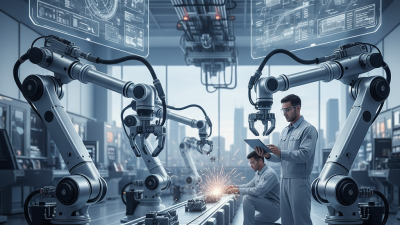
The rise of autonomous robotics is reshaping various industries. In manufacturing, robots enhance efficiency. They take on repetitive tasks, freeing human workers for more complex duties. For example, automated arms assemble products quickly and accurately. This shift speeds up production lines significantly.
In agriculture, autonomous drones monitor crop health. They analyze and report on soil conditions. Farmers gain insights instantly, enabling data-driven decisions. However, challenges remain in training and adapting these systems. Many farmers feel uncertain about the transition.
Tips: Start small. Test robotic systems on a limited scale. This reduces risks and builds confidence. Also, involve your team in the process. Their input can provide valuable perspectives. Transitioning to automation requires patience. It’s a learning curve, not an immediate solution.
Advancements in AI Integration for Smarter Robotic Systems
The integration of artificial intelligence in robotic systems is pivotal. It allows machines to learn and adapt, enhancing their capabilities. Smarter robotic systems can operate in dynamic environments with ease. These advancements make them more efficient in various sectors, from manufacturing to healthcare.
Tips: Test your robotic systems in real-world scenarios. Observe how they adapt to unexpected situations. This will provide essential insights for future improvements.
Recently, AI algorithms have become more sophisticated. They can analyze vast amounts of data in real-time. This enables robots to make decisions quickly and accurately. However, relying too much on AI can lead to flaws. Systems might misinterpret critical data, causing potential failures.
Tips: Always have a human in the loop. Regularly review AI decision-making processes. This creates a balance between technology and human intuition. Embracing this balance is vital for successful applications.
2026 Top Trends in Robotic Systems Innovations and Applications
| Trend |
Description |
Impact Area |
Expected Growth Rate (%) |
| AI-Enhanced Perception |
Integration of advanced sensory systems allowing robots to interpret and respond to complex environments. |
Manufacturing, Healthcare |
15 |
| Collaborative Robots (Cobots) |
Development of robots designed to work alongside humans, enhancing productivity and safety. |
Logistics, Retail |
20 |
| Swarm Robotics |
Utilizing groups of robots that communicate and coordinate with each other for complex tasks. |
Agriculture, Environmental Monitoring |
18 |
| Robotics as a Service (RaaS) |
Offering robotic solutions on a subscription basis to reduce upfront costs for users. |
Service Industries, Small Enterprises |
25 |
| Advanced AI Algorithms |
Incorporation of deep learning and reinforcement learning for better decision-making in robots. |
Healthcare, Finance |
30 |
Trends in Human-Robot Collaboration and Interaction
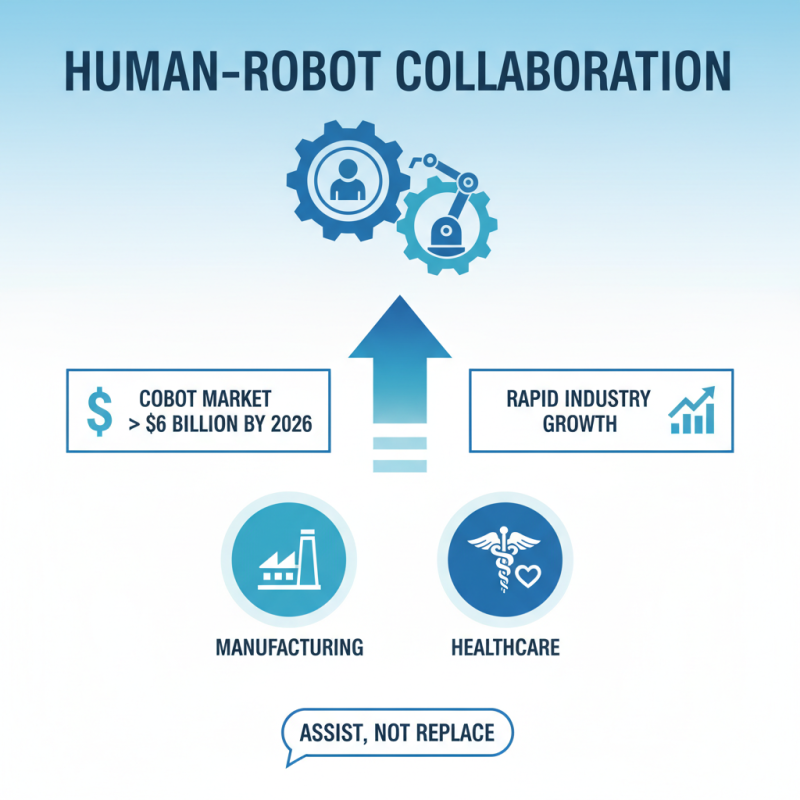
The advancement of human-robot collaboration is transforming industries. Recent reports indicate that by 2026, the market for collaborative robots, or cobots, will exceed $6 billion. This growth emphasizes the increasing reliance on robots to work alongside humans in various sectors, including manufacturing and healthcare. Robots are being designed to assist rather than replace workers.
However, challenges remain. Effective communication between robots and humans is crucial for safety and efficiency. Studies show that misunderstandings can occur, leading to reduced productivity. Companies must invest in training programs to enhance interactions between their staff and robotic systems. Feedback loops are essential. They can help refine robotic behaviors based on human input.
Moreover, organizations face the dilemma of integrating robots into their existing workflows. Not all tasks are suitable for automation. Selecting the right tasks for collaboration is vital. A mismatched robot can hinder operations rather than enhance them. Future success relies on a careful balance of robot capabilities and human expertise. Addressing this issue will shape the next phase of innovation in robotic systems.
Innovations in Robotics for Healthcare and Medical Applications
The use of robotics in healthcare is rapidly evolving. In 2026, innovations in robotic systems promise to transform medical applications. Recent studies suggest that robotic surgery could reduce recovery times by up to 50%. This advancement allows patients to return to their daily lives quicker than ever before.
Tips for healthcare professionals: Embrace continuous learning about robotics. Training on these systems boosts both efficiency and patient outcomes. Proper use can improve precision and minimize human error. However, reliance on robots may lead to a loss of hands-on experience for new surgeons. Balancing technology with traditional skills is crucial.
Furthermore, robotic systems enhance rehabilitation. Devices can assist physical therapy, tracking patient progress in real-time. A report states that patients using robotic exoskeletons recover mobility faster compared to standard therapies. It’s vital to critically assess how we integrate these technologies. Ensuring human oversight remains essential to foster the best patient care.
2026 Top Trends in Robotic Systems Innovations for Healthcare and Medical Applications
Sustainability and Eco-friendly Robotics Developments
The world is embracing a shift towards sustainability. Robotics play a pivotal role in this transition. Eco-friendly robotic systems can help reduce waste and improve efficiencies. These systems often utilize
renewable energy sources. Solar-powered robots are becoming more common. They can operate without relying heavily on fossil fuels.
Current innovations focus on biodegradable materials. This shift aims to lessen the environmental impact of manufacturing. Many robotic designs now incorporate recycled components. However, the challenge remains in the performance of these materials.
Biodegradable robots may not always deliver optimal efficiency. A balance between sustainability and functionality is crucial.
Furthermore, robotic systems can enhance recycling processes. They automate sorting and separation, leading to higher recycling rates. This innovation can reduce landfill waste significantly. Yet, there can be unintended consequences.
Over-reliance on automation might lead to job losses in certain sectors. We must navigate these complexities carefully. The road to sustainable robotics is fraught with challenges, but the potential benefits are immense.