What is an Automation Machine and How Does It Work?
Automation machines are transforming industries worldwide. They enhance efficiency and reduce human error. These machines streamline tasks through precise programming and advanced technology.
The core of an automation machine lies in its ability to perform repetitive tasks autonomously. This reduces the workload on employees and allows them to focus on more critical activities. For instance, in manufacturing, these machines can assemble products faster and with greater accuracy than humans. However, issues can arise, such as technical malfunctions or the inability to adapt to unexpected situations.
While automation machines improve productivity, they require ongoing maintenance and monitoring. This aspect often gets overlooked. Not every machine works perfectly every time, and companies must be prepared for occasional setbacks. Understanding these nuances is essential for businesses looking to implement automation effectively.
What is an Automation Machine? Definition and Overview
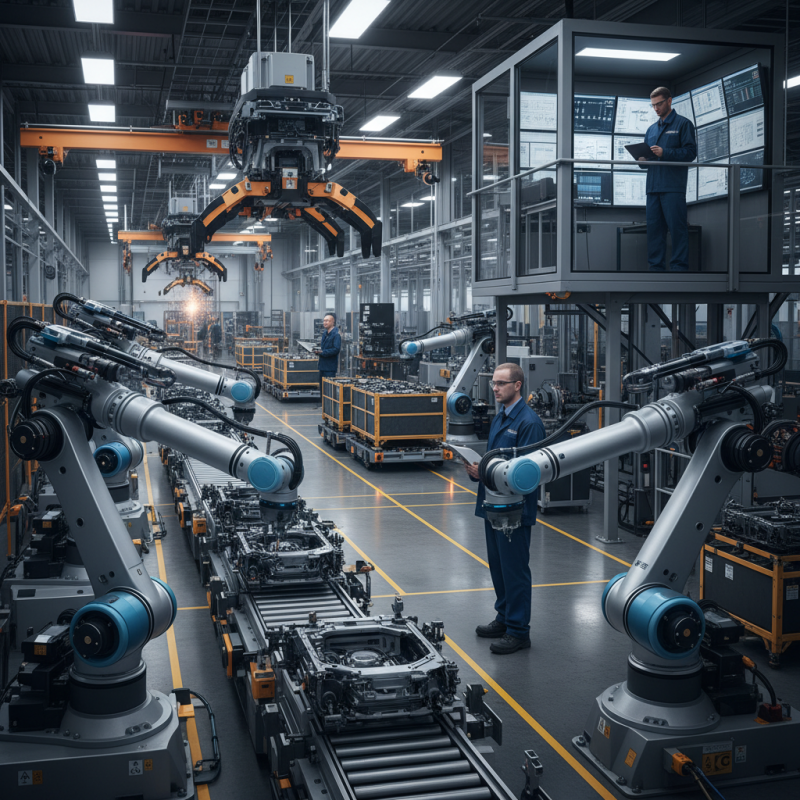
An automation machine is a device designed to perform tasks with minimal human intervention. It streamlines processes and increases efficiency. Such machines can range from simple mechanical devices to complex robotic systems. They are increasingly used in manufacturing, logistics, and even healthcare. The primary goal is to enhance productivity while reducing errors.
These machines operate using various technologies. Sensors and software help them to gather data and make decisions. For example, an automated conveyor belt in a factory can transport items from one station to another without manual operation. But not every automation setup works perfectly. Sometimes, glitches or programming errors can lead to delays.
In many cases, the human touch is still needed. Workers must monitor these machines to ensure smooth operation. They must address any issues that arise. This balance between automation and human oversight can make or break a system’s effectiveness. Automation machines are powerful tools, yet they require reflection on how they are integrated into workflows.
Key Components of Automation Machines and Their Functions
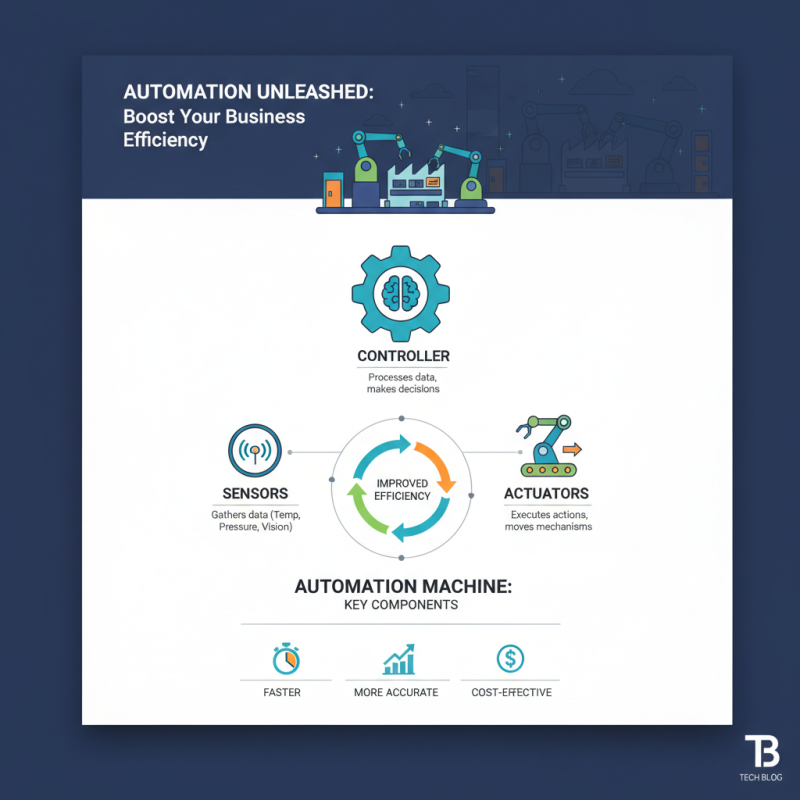
Automation machines are designed to improve efficiency in various processes. Key components include sensors, controllers, and actuators. Sensors gather data from the environment, like temperature or pressure. They play a crucial role in ensuring the machine operates correctly.
Controllers process the data received from sensors. They make decisions based on predefined logic or algorithms. This decision-making process is vital for workflow optimization. For instance, according to a report by the International Federation of Robotics, automation can increase productivity by up to 30%. However, integrating advanced controllers is challenging. Not all systems can adapt easily.
Actuators are the final component in automation machines. They execute commands from the controller. This could mean opening a valve or moving a robotic arm. Yet, selecting the right actuator can be complex. Not all tasks require the same type. In some cases, automation machines may fail to respond correctly if components are mismatched, leading to inefficiencies. Thus, careful analysis is necessary to achieve desired results.
How Automation Machines Improve Efficiency in Production Processes
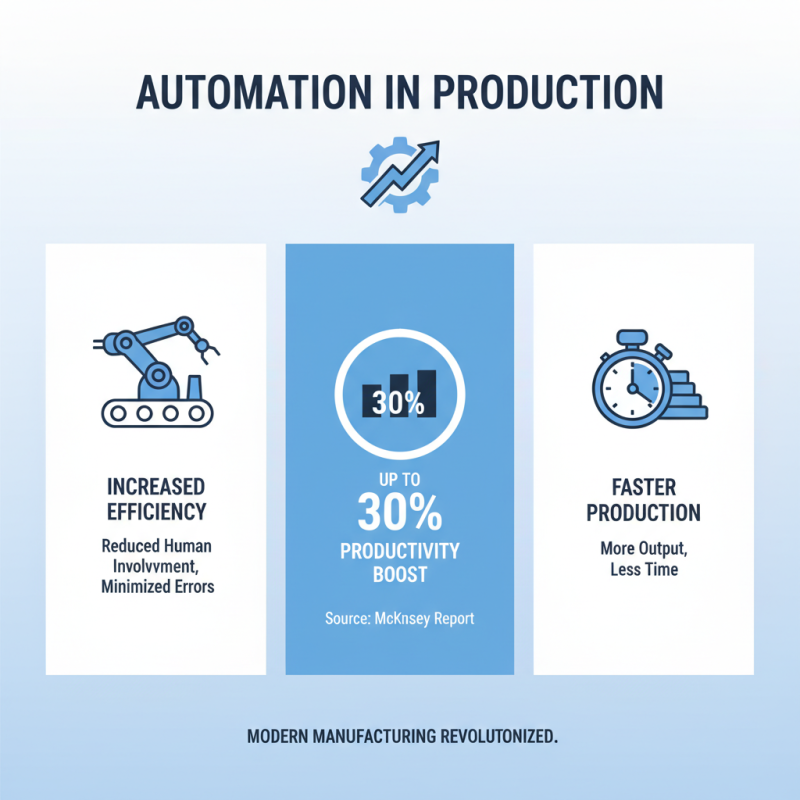
Automation machines play a vital role in modern production processes. They enhance efficiency by reducing human involvement and minimizing errors. According to a report by McKinsey, automation can increase productivity by up to 30%. This change allows companies to produce more in less time.
By using automation machines, factories reduce production costs significantly. For example, they can operate continuously without fatigue. In automotive manufacturing, a single robot can replace five workers. This shift highlights a crucial point; while efficiency improves, the workforce faces challenges. Job displacement is a concern. Companies must balance efficiency with social responsibility.
Data from the International Federation of Robotics shows that the global stock of industrial robots has increased by 170% in the last decade. However, the implementation of these machines is not always smooth. Technical difficulties may arise, and maintenance can be costly. Businesses need to invest in staff training to handle these machines effectively. The integration process can be complex and time-consuming. Even with these challenges, the benefits of automation in production are undeniable.
Statistics on Cost Savings and Productivity Gains from Automation
Automation machines are changing the landscape of productivity. According to recent data, organizations implementing automation have seen a 20-30% increase in efficiency. This is significant in sectors like manufacturing and logistics, where time is money. For instance, a survey found that 75% of companies reported cost savings after adopting automation technologies.
In terms of financial impact, businesses can save up to 40% in operational costs by automating routine tasks. This means reallocating resources to more strategic initiatives. Industries such as healthcare also benefit. For example, automated systems in patient data management reduce errors and enhance service speed. These improvements translate into better patient outcomes and lower administrative costs.
Tips: Start small with automation. Identify repetitive tasks that consume time. Gradually expand automation across departments. Consider employee training to ease the transition. Remember, technology should augment human capabilities, not replace them. Continuous assessment of automation processes is crucial. Reflect on what works and what needs improvement.
Cost Savings and Productivity Gains from Automation
Future Trends in Automation Technology and Market Growth Projections
The automation technology landscape is evolving rapidly. In recent years, we have seen significant growth projections. Industries are increasingly adopting automation solutions to enhance productivity. This shift is driven by the pursuit of efficiency and cost reduction.
Future trends indicate a surge in smart automation systems. These systems utilize artificial intelligence and machine learning. They adapt and learn from operations, improving over time. Such enhancements can lead to higher accuracy in tasks traditionally performed by humans. However, this raises concerns about job displacement.
Moreover, the market for automation is expected to expand significantly. Companies are investing heavily in technology to stay competitive. Nonetheless, not every organization is prepared for this transition. Many face challenges in integrating new technologies into their existing systems. It's essential for businesses to reflect on these issues to ensure a smooth implementation of automation solutions.