What is an Automation System and How Does It Work?
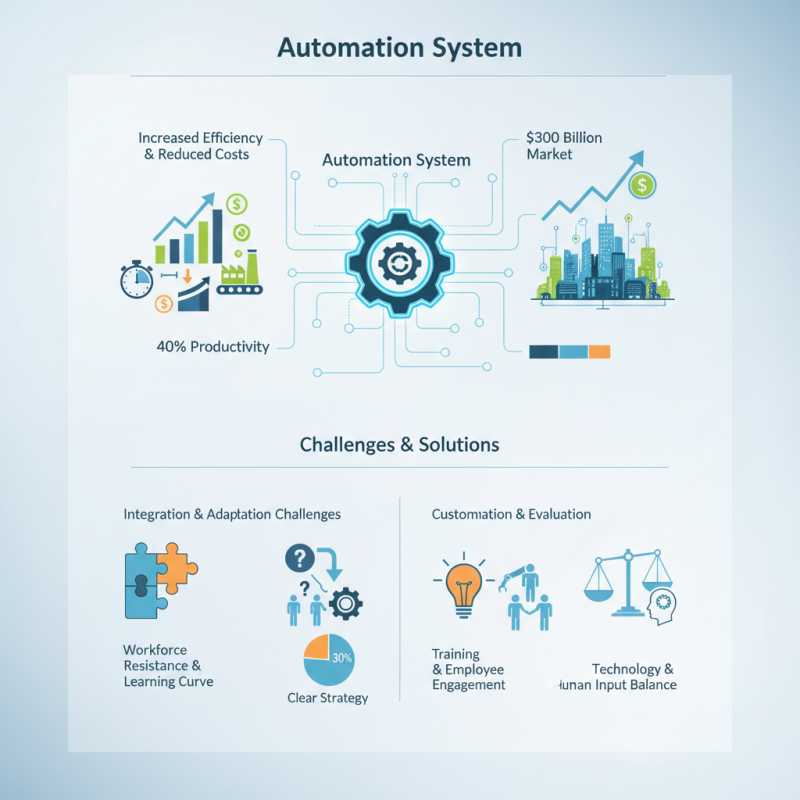
Automation systems play a crucial role in modern industries. Their implementation leads to increased efficiency and reduced operational costs. Reports indicate that businesses can achieve up to a 40% increase in productivity through automation solutions. The global automation market is projected to reach $300 billion by 2024. This growth reflects the rising dependence on technology to streamline processes.
Despite these advancements, challenges remain. Many companies struggle with integration and workforce adaptation. Reports reveal that only 30% of firms have a clear automation strategy. There is a learning curve involved in implementing automation systems. Employees may resist changes due to fear of job loss or the unknown. Organizations must address these concerns to harness the full potential of automated solutions.
Automation systems encompass a range of technologies, from robotics to software. They are not a one-size-fits-all solution. Customization and continuous evaluation are crucial for success. While automation can enhance productivity, it also necessitates ongoing training and support. Finding the right balance between technology and human input is essential. Engaging employees early in the process can mitigate resistance and foster a culture of innovation.
Definition of an Automation System
An automation system is a technology designed to control processes and operations. It consists of hardware and software that work together. This system helps increase efficiency, reduce errors, and minimize human intervention.
Automation systems can range from simple devices to complex setups. For instance, a home thermostat adjusts temperature automatically. In industrial settings, these systems control assembly lines and manage workflows. They use sensors, actuators, and controllers to function seamlessly.
Tips: Implementing an automation system requires careful planning. Assess your needs before choosing any solution. Testing is crucial; small errors can lead to significant issues. Regular maintenance is essential to keep the system running smoothly.
Understanding the components of an automation system is key. It may involve variable inputs, such as temperature, pressure, and flow rates. These systems can be complex. Sometimes, they do not work as expected. Regularly revisiting the design and functionality is beneficial for optimization.
Automation System Performance Over Months
This chart illustrates the efficiency of an automation system measured over a period of seven months. The efficiency is represented as a percentage, showing a positive trend towards increased performance.
Key Components of Automation Systems
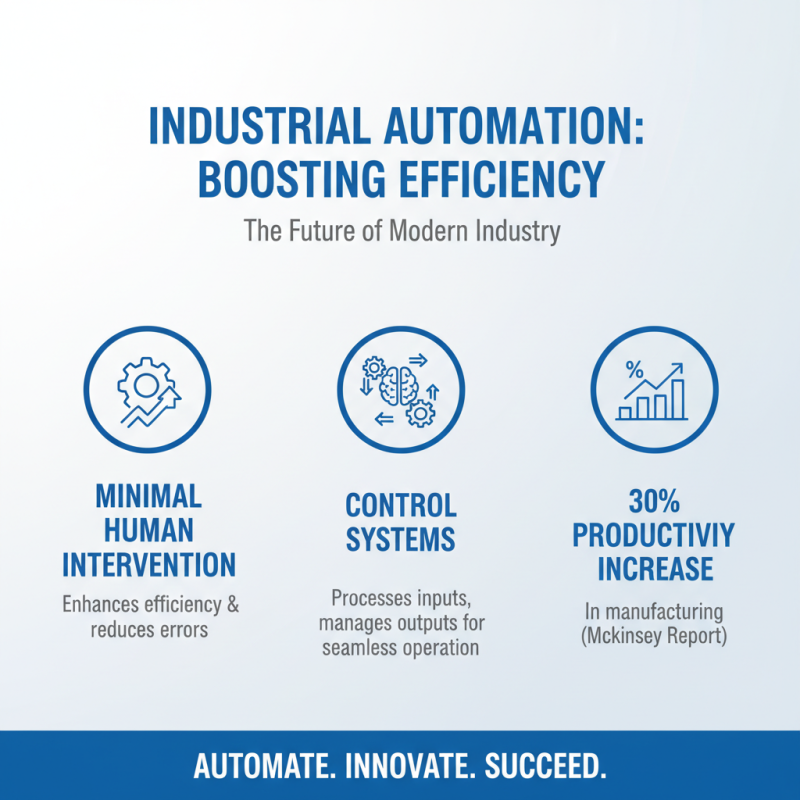
Automation systems play a pivotal role in modern industries. They enhance efficiency by minimizing human intervention. A key component is the control system, which processes inputs and controls outputs. This ensures that machinery operates seamlessly. According to a report by McKinsey, automation can increase productivity by 30% in manufacturing settings.
Sensors are another vital element. They collect real-time data about the environment. This data informs the control system about necessary adjustments. In fact, the International Society of Automation states that systems using advanced sensors can improve product quality by up to 40%. However, reliance on sensors can introduce vulnerabilities. If they malfunction, it may lead to significant operational disruptions.
Another important aspect is the communication network. Reliable communication ensures all components share data efficiently. It is essential for coordinated operations. However, many systems suffer from latency issues, causing delays. According to recent studies, nearly 20% of automation failures stem from communication breakdowns. These challenges remind companies to regularly assess and improve their automation frameworks.
Types of Automation: Industrial, Office, and Home
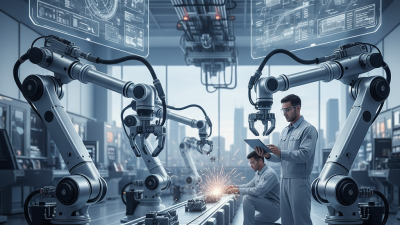
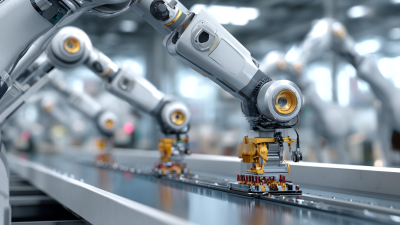
Automation systems enhance efficiency and productivity across various sectors. In industrial settings, automation involves machines operating without direct human intervention. Robotic arms handle tasks like welding and assembling parts on assembly lines. These systems can lead to high accuracy but might also reduce job opportunities, raising concerns along the way.
Office automation focuses on enhancing workflow by using software tools. Document management systems streamline paperwork and improve collaboration. However, reliance on technology can create issues. Employees may feel isolated, and communication can sometimes suffer. Addressing these challenges is important to create a balanced work environment.
Home automation transforms living spaces into smart environments. Devices such as smart thermostats optimize energy use and improve comfort. Yet, homeowners must consider security risks and potential technical glitches. These concerns remind us that technology is not infallible, encouraging us to reflect on how we use automated solutions in our daily lives.
Working Principles: How Automation Systems Function
Automation systems are designed to streamline processes, enhancing productivity across various sectors. They primarily function through three key components: sensors, controllers, and actuators. Sensors gather data from the environment, detecting parameters like temperature or pressure. In 2022, nearly 50% of companies reported improvements in efficiency due to effective data gathering techniques. Controllers process this data, making decisions based on predefined algorithms. Actuators then execute these commands, converting electronic signals into physical actions.
The integration of these components is critical for successful automation. However, challenges do arise. Implementing automation can be costly and complex. A 2021 industry report noted that 30% of automation projects failed due to poor planning. This highlights the importance of clear objectives and thorough understanding before deployment. The reliance on real-time data can pose risks, as outdated information may lead to incorrect actions. Companies must continuously evaluate their systems to adapt to a constantly changing environment.
Moreover, not all industries have the same automation readiness. In manufacturing, for example, 70% of processes can be automated. Yet, in sectors like healthcare, the automation rate is significantly lower, around 30%. The unique demands of each field create distinct hurdles. Addressing these challenges requires ongoing learning and adjustment, emphasizing that automation is not a one-size-fits-all solution.
What is an Automation System and How Does It Work? - Working Principles: How Automation Systems Function
| Dimension |
Description |
| Definition |
An automation system is a set of technology and processes that automate tasks, reducing human intervention and increasing efficiency. |
| Components |
Includes hardware (sensors, controllers, actuators) and software (control systems, interfaces) that work together to carry out tasks. |
| Functionality |
Monitors input, processes data, and controls output to perform a specific function or set of functions. |
| Applications |
Used in manufacturing, automotive, energy, healthcare, and many other industries to enhance productivity. |
| Benefits |
Increases efficiency, reduces errors, lowers operational costs, and improves safety. |
| Challenges |
Initial costs, training requirements, and potential job displacement for low-skill jobs. |
Benefits and Challenges of Implementing Automation Systems
Implementing automation systems offers numerous advantages. These systems can significantly boost efficiency and reduce human error. Automation can streamline repetitive tasks, freeing up human resources for more complex roles. Workers can focus on creative solutions and innovative strategies instead of mundane job functions.
However, challenges accompany these benefits. Initial costs of automation systems can be high, and not all systems deliver expected results. Businesses may face resistance from employees concerned about job security. This worry can lead to a tense workplace environment. Organizations must ensure they provide proper training and support for staff to adapt. Balancing technology and human input is crucial for success.
Moreover, maintaining automation systems requires ongoing attention. Regular updates and maintenance can strain resources. Companies may find themselves caught in a cycle of technology upgrades. Therefore, reflecting on both the gains and potential pitfalls helps in making informed decisions. Embracing automation is not merely about immediate benefits; it requires a long-term vision.