How to Become a Robotics Technician in 2026?
As the field of robotics continues to evolve, the role of a robotics technician becomes increasingly vital. By 2026, the demand for skilled professionals in this industry will likely surge. According to Dr. Emily Chen, a prominent robotics expert, "The future of robotics will rely heavily on skilled technicians who bridge the gap between technology and practical application." This statement emphasizes the importance of preparation for aspiring robotics technicians.
Robotics technicians blend technical skills with a passion for innovation. They work on designing, building, and maintaining robotic systems across various sectors. Gaining experience through hands-on training or internships is crucial. Networking with industry professionals can provide insights into emerging trends and necessary skills. However, those entering the field may face challenges, such as technological advancements outpacing education.
Continuous learning is key in this dynamic environment. Robotics technicians must stay updated on new tools and programming languages. Engaging in online courses and workshops can enhance knowledge and skills. Even seasoned professionals must reassess their expertise regularly. This commitment to growth will shape the future of anyone pursuing a career as a robotics technician.

Understanding the Role of a Robotics Technician in 2026
The role of a robotics technician in 2026 offers intriguing opportunities and challenges. As automation continues to evolve, the demand for skilled technicians is soaring. According to a report from the Bureau of Labor Statistics, employment opportunities in this sector are expected to grow by 12% by 2026, which is much faster than the average for all occupations. This growth reflects the increasing reliance on automated systems in manufacturing, healthcare, and other industries.
Robotics technicians play a crucial role in maintaining and repairing robotic systems. They must troubleshoot complex issues and ensure optimal performance. This requires a solid foundation in electronics and mechanics. Many technicians may struggle with keeping up with rapid technological changes. Continuous education and hands-on training are essential. Inadequate skills can lead to costly mistakes during system installations or repairs.
Understanding the intricacies of programming and system integration is vital. Technicians must often collaborate with engineers and scientists. Effective communication is a necessity. Lack of teamwork skills can hinder project success. Moreover, awareness of safety regulations when working with robotics is critical. Failing to adhere to these can result in dangerous situations. Thus, aspiring robotics technicians should evaluate their strengths and weaknesses in these areas to succeed in the evolving landscape of robotics.
Educational Requirements and Relevant Courses for Aspiring Technicians
Becoming a robotics technician in 2026 requires specific educational paths. A high school diploma is the minimum requirement. However, pursuing further education can provide a strong advantage. Many technicians choose associate degrees in robotics or mechatronics. These programs typically last two years and offer hands-on experience.
Relevant courses usually include robotics fundamentals, programming, and electronics. Learning about CAD software is also vital. These courses help students understand the design and operation of robots. Employers often look for individuals with practical skills and knowledge. Internships during studies can provide real-world experience. They can also enhance a resume significantly.
Many aspiring technicians may feel overwhelmed by the rapid technological changes in robotics. It’s essential to keep learning. Continuing education courses and certifications can help bridge the knowledge gap. Networking with professionals in the field through online forums can offer support and guidance.
Embracing challenges is part of the journey. Reflecting on both successes and failures can lead to deeper understanding and growth in this exciting field.
Gaining Practical Experience Through Internships and Certifications
In 2026, aspiring robotics technicians should emphasize gaining practical experience. Internships offer direct exposure to industry standards. Research shows 85% of employers prefer candidates with hands-on training. This experience builds confidence and relevant skills.
Certifications can also enhance employability. According to the National Center for O*NET Development, over 30% of job postings in robotics specify certification requirements. Many reputable organizations offer programs. These certifications prove knowledge in robotics and automation.
However, not all internships provide equal value. Some may lack structure or meaningful tasks. Seek opportunities that offer mentorship and real projects. Reflection on such experiences is vital. Consider the learning moments during challenging tasks. They often lead to growth in technical skills and problem-solving ability.
Robotics Technician Certification Pathways in 2026
Key Skills and Competencies Needed in the Robotics Field
To thrive as a robotics technician in 2026, certain skills stand out. Technical proficiency is crucial. This includes understanding programming languages like Python and C++. Knowledge of industrial automation and robotic systems is essential. Hands-on experience with mechanical systems can provide a significant edge.
Additionally, problem-solving skills are vital in this field. You may often troubleshoot equipment under pressure. Strong analytical abilities will help diagnose issues quickly. Communication skills also play a critical role. You must convey complex ideas clearly to coworkers and clients.
Adaptability is another key competency. The robotics field evolves rapidly. Staying updated with the latest technologies is essential. However, continuous learning can be challenging. It requires dedication and time management. Reflecting on your learning journey can help improve your growth in this dynamic field.
How to Become a Robotics Technician in 2026? - Key Skills and Competencies Needed in the Robotics Field
| Skill/Competency |
Description |
Importance Level |
| Programming Skills |
Proficiency in programming languages such as Python, C++, or ROS (Robot Operating System). |
High |
| Electronics Knowledge |
Understanding of circuits, sensors, and microcontrollers essential for robotics. |
High |
| Mechanical Skills |
Ability to design and build mechanical systems and components. |
Medium |
| Problem-Solving Skills |
Analytical thinking and troubleshooting abilities to resolve technical issues effectively. |
High |
| Collaboration and Communication |
Ability to work effectively in teams and convey technical information clearly. |
Medium |
| Continuous Learning |
Willingness to stay updated with the latest advancements in robotics technology. |
High |
Job Market Outlook and Career Advancement Opportunities in Robotics
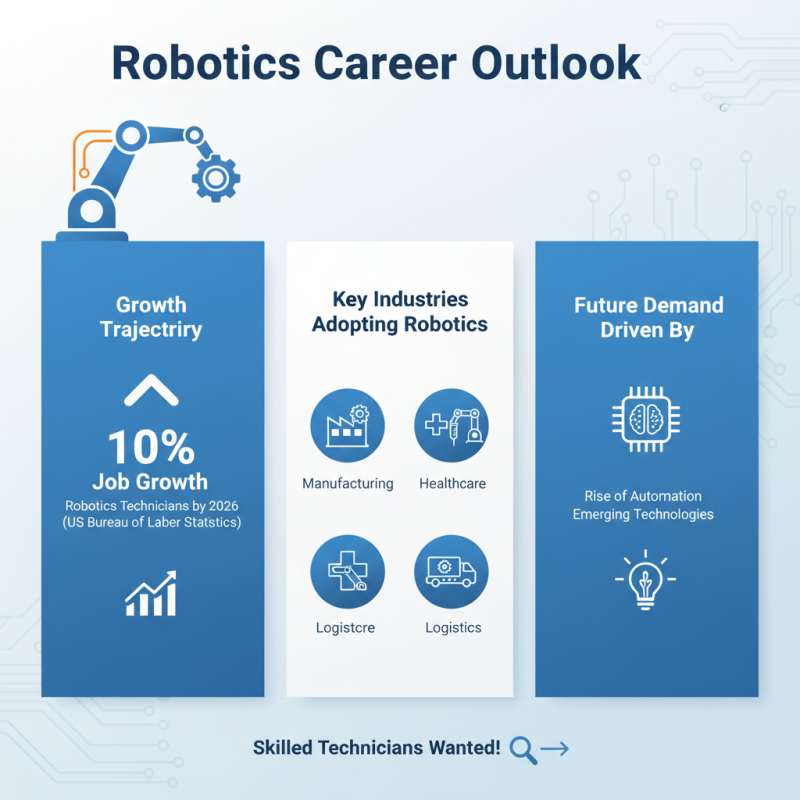
The robotics field offers exciting career prospects. According to the U.S. Bureau of Labor Statistics, employment for robotics technicians may grow by 10% by 2026. This growth is driven by the rise of automation across various industries. Manufacturing, healthcare, and logistics are leading the way in adopting robotics. With new technology constantly emerging, the demand for skilled technicians will likely increase.
However, becoming a qualified robotics technician requires ongoing education. Educational programs often include hands-on training with real robots. Familiarity with programming languages and technical systems is crucial. Data from the National Center for Education Statistics shows that many community colleges offer relevant degree programs. This can be a cost-effective path for aspiring technicians.
**Tips:** Gain experience through internships. Real-world exposure helps build skills. Stay updated with industry trends by following professional organizations. Networking can open doors to opportunities. Engage in online forums or local meetups. Continuous learning will keep you competitive as the technology evolves.