Top 10 Benefits of Fanuc Automation for Modern Manufacturing?
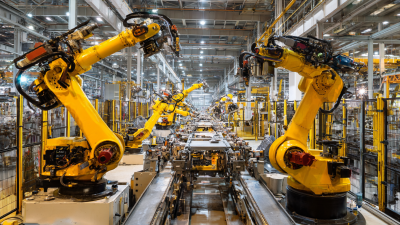
In today's competitive landscape, manufacturers constantly seek ways to enhance efficiency and productivity. Fanuc automation stands out as a powerful solution. It integrates cutting-edge robotics and advanced technology, streamlining operations. This approach facilitates increased precision and reduced downtime. Many industries rely on Fanuc automation to meet their production goals.
The benefits of Fanuc automation extend beyond mere efficiency. This technology can also improve safety in the workplace. For example, robots handle hazardous tasks, minimizing human risk. However, the implementation of automation is not always straightforward. Companies may face challenges in workforce adaptation and technology integration. These hurdles require careful consideration to fully realize the benefits.
Ultimately, embracing Fanuc automation can revolutionize modern manufacturing. It promises enhanced productivity, improved safety, and better quality control. Despite the challenges, the advantages are substantial. Companies must weigh these factors to make informed decisions. The journey to automation is one filled with opportunities for growth and innovation.
Overview of Fanuc Automation in Modern Manufacturing
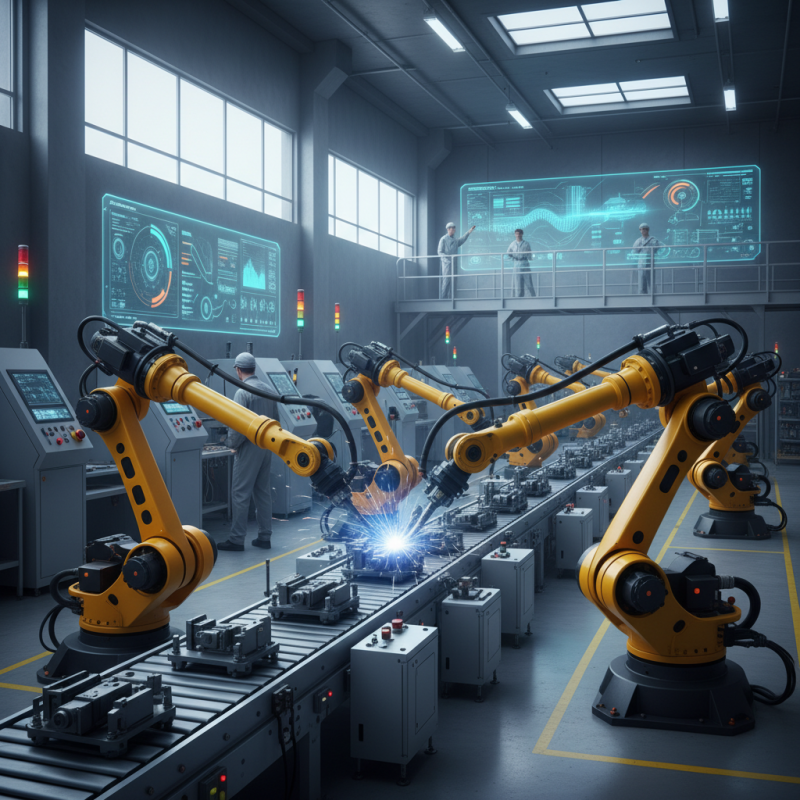
In modern manufacturing, automation plays a crucial role in enhancing efficiency and productivity. Robots and automated systems help reduce labor costs. They enable companies to streamline operations and focus on high-value tasks. Automated machines can operate 24/7, ensuring consistent output and minimizing downtime. However, the transition to full automation can pose challenges. Integrating new systems requires skilled technicians and ongoing training.
The flexibility of automated systems is a major advantage. They can be programmed for various tasks, adapting to changing production needs. Yet, reliance on technology can create vulnerabilities. A system failure can halt an entire production line, impacting delivery schedules. Companies must also balance automation with human oversight to maintain quality control. Sometimes, the human touch is irreplaceable, especially in complex assembly processes.
Investing in automation brings both opportunities and risks. While many manufacturers see increased profitability, some struggle with the implementation. Continuous improvement and reflection on processes are essential. Striking the right balance between innovation and practical applications is key in today's fast-paced manufacturing environment.
Enhanced Production Efficiency through Automation
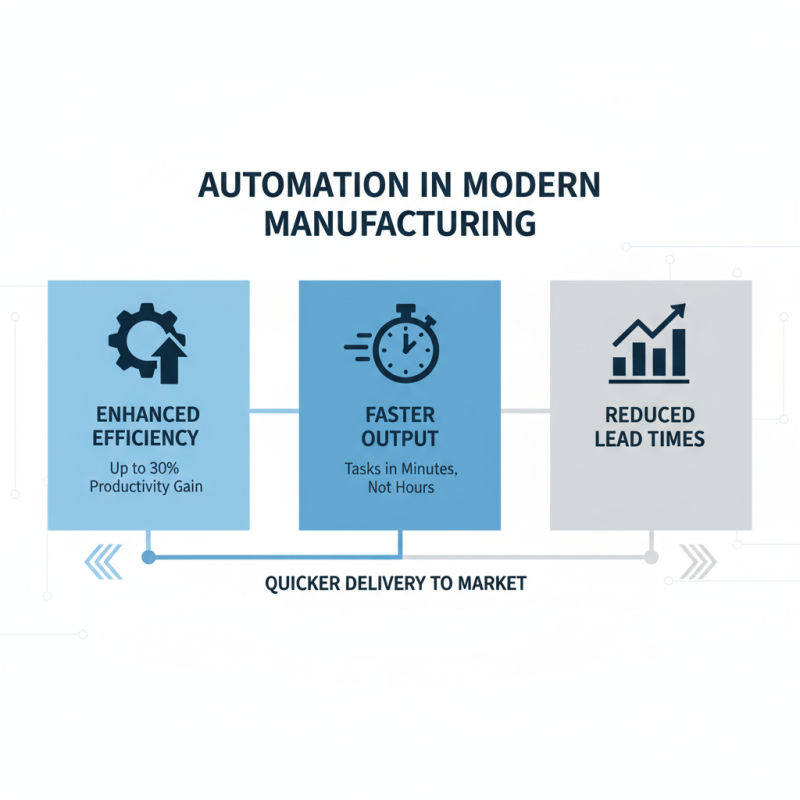
In modern manufacturing, automation has become a critical component. Enhanced production efficiency is one of the most significant advantages. According to a recent industry report, factories that implement automation can see productivity gains of up to 30%. Tasks that once took hours can now be completed in minutes. This translates to faster output and reduced lead times.
Automation reduces the risk of human error. Inconsistent quality can lead to waste and rework. A study highlighted that 20% of manufacturing defects result from human mistakes. By leveraging automated systems, companies can streamline processes and maintain high-quality standards. Workers can focus on complex tasks, while machines handle repetitive actions efficiently.
However, the shift to automation is not without challenges. Transitioning to automated systems often requires substantial upfront investment. Training employees to work alongside new technologies can also pose difficulties. Industry data shows that nearly 40% of manufacturers are still hesitant to fully embrace automation due to these concerns. As companies strive to enhance productivity, addressing these issues becomes essential for effective implementation.
Improved Precision and Quality Control with Fanuc Systems
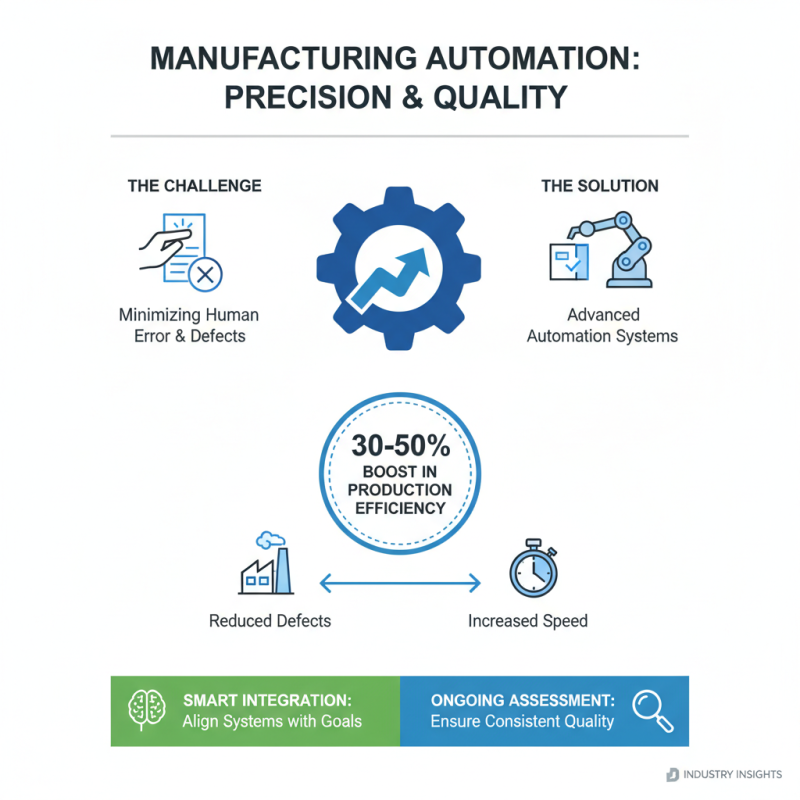
In today's manufacturing landscape, precision and quality control are more critical than ever. Advanced automation systems are reshaping how industries approach these challenges. According to industry reports, companies that invest in automation can boost production efficiency by 30-50%. These systems help minimize human error, which often leads to defects. However, not all automated processes guarantee quality. It requires careful integration and ongoing assessment to align systems with production goals.
Improved precision with automation means machines can operate within tighter tolerances. A survey indicated that manufacturers using such systems reported a 20% increase in product quality. Despite this, some companies struggle with initial setup and calibration. The learning curve can be steep. Training staff to work alongside advanced systems is essential. Without proper training, the technology can sometimes hinder progress.
Moreover, automation can sometimes generate data overload. It’s important to focus on actionable insights rather than drowning in numbers. Many manufacturers find themselves needing better analytics to interpret the data effectively. Ultimately, while automation holds the potential for improved precision and quality, it demands careful planning and execution to truly realize its benefits.
Cost Reduction Strategies Through Automation Implementation
The manufacturing sector is undergoing a significant transformation. Cost reduction through automation is a major strategy. Studies show that companies adopting automation can reduce operational costs by 20-50%. This savings comes from various areas, like labor, waste, and energy consumption.
Automation streamlines processes. For example, using automated systems can decrease cycle times. This means goods are produced faster. One report indicates that manufacturers can boost production efficiency by up to 30% with smart technology. However, investing in automation also requires careful planning. Not every company sees immediate returns. Transitioning to automated solutions can involve hidden costs.
Moreover, the skills gap poses a challenge. Many employees may need retraining. This transition needs to be managed with care. While automation can drive down costs, it is not a magic fix. Companies must evaluate their specific needs. A one-size-fits-all approach may not yield the expected results. Being mindful of these factors is crucial for effective implementation.
Top 10 Benefits of Fanuc Automation for Modern Manufacturing
Sustainability and Energy Efficiency Benefits of Fanuc Automation
Sustainability and energy efficiency are critical in modern manufacturing. Automation systems can significantly reduce waste and resource consumption. By optimizing processes, these systems minimize the use of materials, cutting down on costs. Imagine a factory where energy bills drop, and production remains smooth. It is not just about saving money; it's about being responsible stewards of the environment.
Utilizing advanced automation can yield substantial energy savings. Automated machinery can adjust operations based on real-time data, aligning with production needs. This adaptability reduces energy usage during low-demand periods. Yet, it’s important to recognize that implementing such systems may require an upfront investment. The initial costs can seem daunting for many businesses.
Fluctuating energy prices pose another challenge. Manufacturing requires a consistent energy supply. With automation, manufacturers can develop strategies to cope with such fluctuations. Short-term solutions may not always be effective. Sustainable practices must evolve alongside technology, ensuring a continuous commitment to energy efficiency. The journey toward greener manufacturing is ongoing.
Top 10 Benefits of Fanuc Automation for Modern Manufacturing
| Benefit |
Description |
Impact |
| Energy Efficiency |
Reduces energy consumption through optimized processes. |
Lower operational costs and reduced carbon footprint. |
| Reduced Waste |
Minimizes material waste with precise automation techniques. |
Increased material efficiency and lower disposal costs. |
| Process Optimization |
Enhances workflow through streamlined operations. |
Higher productivity and reduced cycle times. |
| Predictive Maintenance |
Utilizes data analytics to foresee equipment failures. |
Decreased downtime and maintenance costs. |
| Increased Safety |
Automated solutions reduce risk to human workers. |
Fewer workplace accidents and insurance costs. |
| Scalability |
Easily adaptable to changing production needs. |
Flexibility in operations and improved market responsiveness. |
| Improved Quality |
Consistent performance results in higher quality products. |
Better customer satisfaction and reduced returns. |
| Cost Savings |
Automation reduces labor costs and human error. |
Enhanced profitability and resource allocation. |
| Data Integration |
Seamless integration of data across processes. |
Informed decision-making and operational transparency. |
| Environmental Impact |
Supports sustainable practices through efficient resource use. |
Positive brand image and compliance with regulations. |