Top Benefits of Robotic Automation for Businesses in 2023
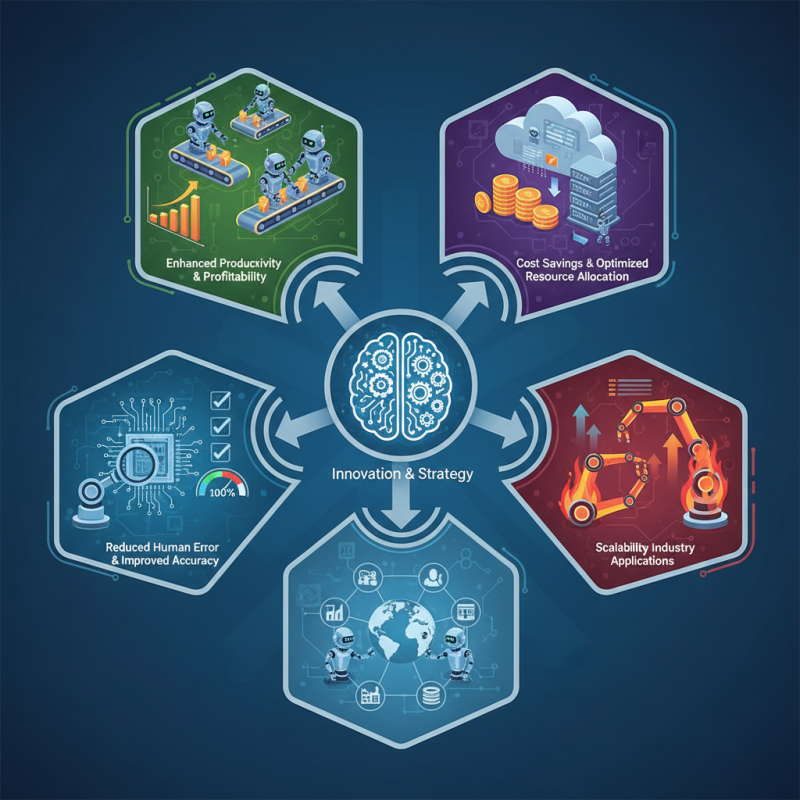
In the rapidly evolving landscape of modern business, the adoption of robotic automation has emerged as a pivotal strategy for enhancing operational efficiency and driving innovation. As companies navigate the complexities of the digital age, the integration of robotic automation offers a multitude of benefits that can significantly transform traditional workflows. By leveraging advanced technologies, businesses are empowered to streamline processes, reduce human error, and optimize resource allocation, ultimately leading to enhanced productivity and profitability.
The year 2023 presents a unique opportunity for organizations to embrace robotic automation, not only to keep pace with competitors but also to unlock new avenues for growth. The versatility of robotic systems enables them to adapt to various industries, providing tailored solutions that meet specific operational needs. From manufacturing and logistics to customer service and data management, robotic automation stands at the forefront of the digital revolution, promising to reshape how businesses operate.
As we delve into the top benefits of robotic automation for businesses this year, it becomes clear that the strategic implementation of these technologies can lead to significant cost savings, improved accuracy, and the ability to scale operations effectively. In a world where agility and responsiveness are paramount, understanding and harnessing the power of robotic automation will be essential for companies aspiring to thrive in an increasingly competitive environment.
Understanding Robotic Automation in the Business Landscape of 2023
Robotic automation has emerged as a transformative force in the business landscape of 2023. Companies across various sectors are harnessing the power of robots to optimize operations, enhance productivity, and reduce costs. This technology enables businesses to automate repetitive tasks, allowing human workers to focus on more strategic and innovative activities. As industries face increasing pressure to improve efficiency and respond rapidly to market demands, robotic automation presents a viable solution that addresses these challenges effectively.
In addition to driving operational efficiency, robotic automation fosters better accuracy and consistency in processes. Automated systems are less prone to errors, which minimizes waste and increases overall quality. As businesses continue to navigate complexities in supply chains and customer service, the integration of robotic tools provides a significant competitive edge. Moreover, this technology not only streamlines processes but also facilitates data collection and analysis, giving organizations insights that were previously difficult to achieve without extensive manual effort. The synergy between human intelligence and robotic capabilities sets the stage for a more dynamic and responsive business environment.
Key Advantages of Implementing Robotic Automation Solutions
Robotic automation is transforming businesses in 2023, offering a range of key advantages that enhance efficiency and drive growth. One of the primary benefits is productivity improvement. By automating repetitive and time-consuming tasks, organizations can free up human resources to focus on more strategic initiatives. This leads to not only faster output but also higher accuracy, reducing the likelihood of errors that can arise from manual processes.
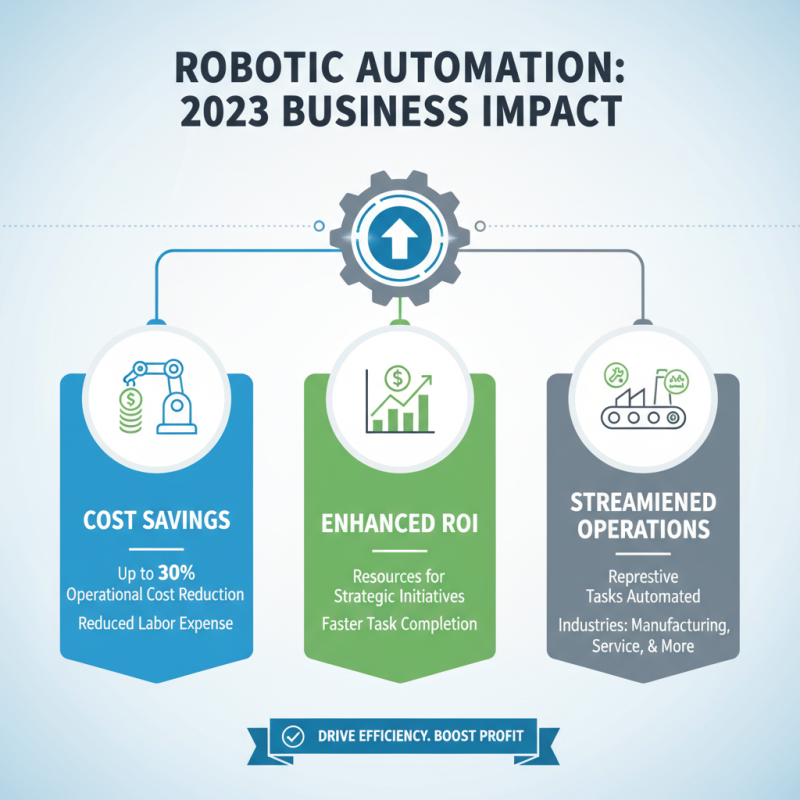
Incorporating robotic automation solutions also results in significant cost savings. Businesses can minimize labor costs and reduce operational expenses while maintaining or even improving service quality. Moreover, these solutions often have a rapid return on investment, allowing organizations to see tangible benefits in a short period.
Tip: When considering the implementation of robotic automation, assess which processes are the most time-consuming and error-prone. Prioritize these tasks to maximize the immediate benefits of automation.
Another advantage of robotic automation is its scalability. As businesses grow, their operational demands can change rapidly. Robotic solutions provide the flexibility to scale operations up or down efficiently, enabling businesses to adapt to market fluctuations.
Tip: Start with a pilot project to test the effectiveness of robotic automation in your operations. This approach allows for adjustments and optimizations before a full-scale implementation.
Enhancing Operational Efficiency through Automation Technologies
Robotic automation has emerged as a critical catalyst for enhancing
operational efficiency in businesses in 2023. According to a recent report by McKinsey & Company,
companies that implemented automation technologies saw an increase in productivity by up to 30%,
primarily due to the minimization of repetitive tasks. By automating routine processes, organizations can allocate human
resources to more strategic roles, thereby optimizing workforce utilization and increasing overall output.
Moreover, the integration of advanced automation tools leads to improved accuracy and reduced error rates.
A survey conducted by Deloitte indicated that businesses employing robotic process automation (RPA) reported a
25% decrease in operational errors, allowing for higher quality service delivery.
These benefits extend beyond immediate operational gains; by streamlining workflows and enhancing data processing capabilities,
organizations can also achieve faster decision-making processes, which is essential in responding to
dynamic market conditions. As businesses continue to navigate
the complexities of the post-pandemic economy, embracing automation technologies will be vital for maintaining a competitive edge
and driving long-term growth.
Cost Savings and ROI: The Financial Impact of Robotic Automation
Robotic automation has emerged as a transformative force for businesses in 2023, particularly in its ability to drive significant cost savings and enhanced return on investment (ROI). By automating repetitive and time-consuming tasks, companies can redirect their resources toward more strategic initiatives. This shift not only streamlines operations but also reduces labor costs, as robots perform tasks at a fraction of the expense associated with human labor. Industries ranging from manufacturing to customer service are acknowledging these advantages, with some reporting savings of up to 30% in operational costs.
Furthermore, the financial impact of robotic automation extends beyond mere savings. Businesses that invest in automation technology often see an accelerated return on investment due to increased productivity and efficiency. Automation enables quicker processing times, reduced error rates, and scalability that aligns with growing market demands. As companies leverage this technology, they are not only enhancing their profitability but also gaining a competitive edge. The cumulative effect of these improvements leads to sustained financial health and opens avenues for reinvestment in innovative practices, further amplifying the positive impact on the bottom line.
Future Trends: The Evolution of Robotics in Business Operations
As businesses navigate the complexities of the modern economy, robotic automation emerges as a transformative force in operational efficiency. According to a report by McKinsey, it is projected that by 2025, global spending on robotics could reach up to $259 billion, reflecting an unprecedented investment in technology aimed at enhancing productivity. The evolution of robotics in business operations is not just about replacing human labor but augmenting capabilities in various sectors, ranging from manufacturing to customer service. For instance, the integration of robotic process automation (RPA) in administrative tasks can lead to a 30% reduction in operational costs, as organizations streamline workflows and minimize human errors.
The future trends indicate a shift towards more adaptive and intelligent robotic systems that can learn from their environments. The International Federation of Robotics suggests that by 2023, nearly 50% of all industrial robots will be equipped with advanced AI, enabling them to perform complex tasks that were previously unimaginable. This evolution is set to transform industries by enabling real-time data analysis and decision-making, allowing businesses to respond swiftly to market demands. With the adoption of collaborative robots, or cobots, which work alongside human employees, companies can expect not only enhanced productivity but also improved worker safety and satisfaction, ultimately fostering a more innovative work culture.