Best Automation Systems in China for Global Buyers?
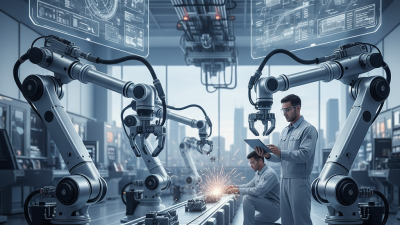
Automation systems are transforming industries in China, attracting global buyers keen on efficiency. Renowned expert Dr. Wei Zhang emphasizes, "Automation systems can redefine productivity standards." This statement underscores the rapid advancements in automation technology. Companies are increasingly seeking innovative solutions to streamline operations.
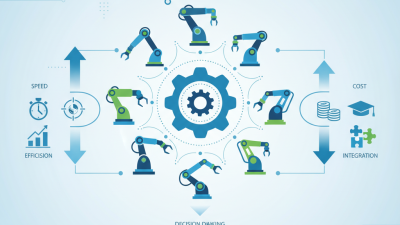
The landscape of automation systems in China is dynamic. Various sectors, from manufacturing to logistics, are leveraging automation for growth. Chinese firms are implementing cutting-edge technologies that enhance speed and reduce costs. However, challenges remain. Integration of new systems can be complex and resource-intensive.
As international buyers explore these opportunities, they must evaluate potential pitfalls. Understanding the local market is crucial. Cooperation with Chinese partners can bridge gaps in knowledge and execution. A thoughtful approach will pave the way for successful investments in automation systems.
Overview of Automation Systems in China
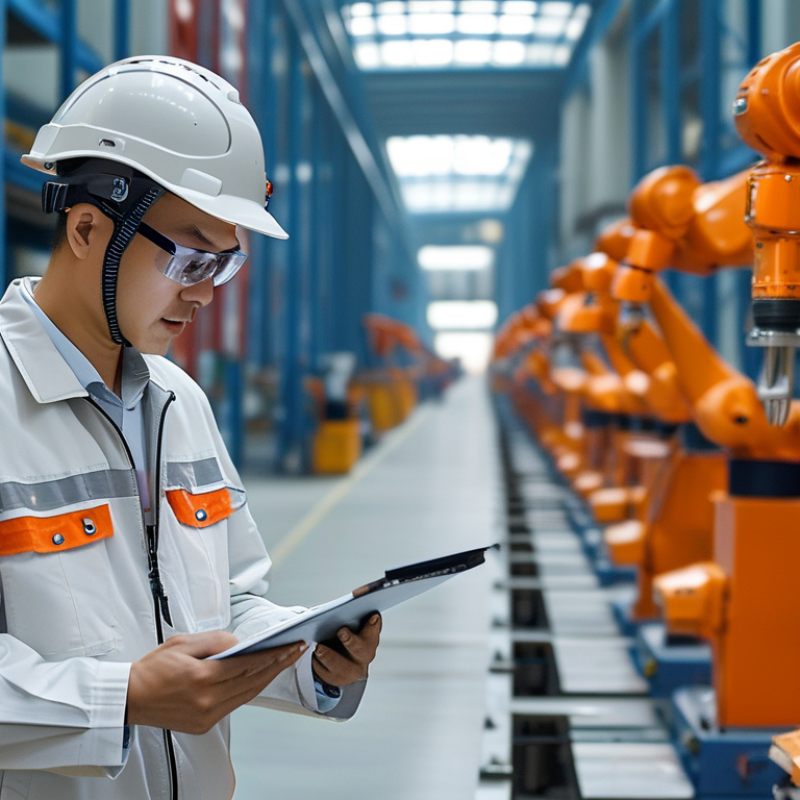
China has rapidly become a global hub for automation systems, attracting buyers worldwide. This industry is diverse, covering manufacturing, logistics, and smart technologies. The emergence of advanced robotics, artificial intelligence, and Internet of Things (IoT) solutions signifies the nation's dedication to automation.
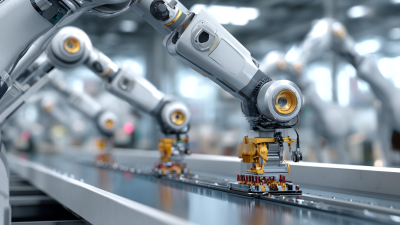
Local manufacturers focus on efficiency and productivity. They offer a range of systems tailored to specific needs. These include automated assembly lines and autonomous vehicles. For many businesses, the affordability of automation solutions in China makes them appealing.
However, potential buyers should consider challenges. The rapid growth of this sector often leads to inconsistency in quality. Not all suppliers meet international standards. Buyers may also face language barriers, complicating communication. Research and due diligence are essential for successful partnerships.
Key Players in China's Automation Industry
China's automation industry has seen remarkable growth. According to the International Federation of Robotics, China accounted for roughly 36% of global industrial robot installations in 2021. The focus on automation is driven by various sectors, including manufacturing, logistics, and agriculture. This shift is part of China’s ambition to enhance productivity and efficiency.
The key players in this dynamic landscape include companies specializing in robotics, AI, and IoT applications. They contribute significantly to China's growing automation ecosystem. For instance, the industry's annual revenue is projected to surpass $70 billion by 2025, reflecting a robust demand from both domestic and international markets. However, challenges remain, such as a shortage of skilled workers and the high costs associated with adopting advanced technologies.
While China is a leader in many automation technologies, some concerns persist. A dependency on imported components can affect production timelines. Additionally, businesses must address cybersecurity risks related to connected systems. Overall, the landscape is evolving. Global buyers should carefully evaluate potential partners and innovations within this vibrant industry.
Automation Systems Market Share in China (2023)
Technological Advances Driving Automation in China
China is rapidly evolving as a global leader in automation technology. The market for industrial robots is projected to grow by 25% annually, according to a report by the International Federation of Robotics. This surge is primarily driven by advances in AI, machine learning, and the Internet of Things (IoT). Factories are increasingly adopting smart technologies, streamlining production, and enhancing efficiency.
However, the road to this automation boom is not without challenges. Many businesses struggle with the integration of these new systems. A study from McKinsey highlights that 30% of automation projects fail due to inadequate planning and execution. These failures can arise from a lack of skilled personnel or resistance to change within organizations.
Despite these hurdles, the potential benefits of automation are significant. The World Economic Forum predicts that automation could add $16 trillion to global GDP by 2030. Companies in China are realizing the value of investing in technology. They are recognizing that adapting to change is crucial for future competitiveness. Yet, companies must learn from past mistakes to harness automation's full potential.
Comparison of Automation Solutions for Global Markets
In today's global market, automation solutions are pivotal for success. Many industries in China offer innovative systems. These systems can enhance efficiency and reduce costs significantly. Buyers looking for options must consider varying levels of technology and adaptability. Some solutions excel in manufacturing, while others shine in logistics. Understanding these distinctions is vital for informed decisions.
Additionally, potential users often face challenges when integrating these systems. Compatibility with existing infrastructure can be problematic. Some automation solutions may require substantial adjustments, leading to potential downtime. Buyers should weigh these factors carefully before committing. Insights from industry experts suggest ongoing support and training are crucial for success. Buyers may find themselves needing to invest time and resources in these areas.
Ultimately, the best systems are those that align closely with specific business needs. Evaluating the nuances of each solution will help buyers make better choices. Regularly reassessing the effectiveness of automation processes is essential. This reflection can lead to improved efficiency over time. Companies that remain flexible and open-minded often find the most successful automation pathways.
Challenges and Opportunities for Global Buyers in China
China's automation systems have gained attention from global buyers, yet the landscape poses unique challenges and opportunities. Understanding local market dynamics is crucial. Buyers must navigate language barriers, differing business practices, and regional regulations. These factors can create misunderstandings and slow down negotiations.
Tips: Establish clear communication channels. Consider hiring local experts to bridge cultural gaps. This can save time and build trust.
Quality control is another challenge. While many manufacturers promise high standards, inconsistencies exist. Buyers should implement strict quality checks before final orders. This ensures that the products meet desired specifications.
Tips: Schedule regular inspections during production. Utilize third-party services for unbiased evaluations. It’s essential to remain vigilant throughout the sourcing process.
Opportunities, however, abound. China's rapid technological advancements offer innovative solutions tailored to diverse industries. By staying informed about emerging trends, global buyers can tap into cutting-edge products. Collaboration with Chinese firms can also result in mutually beneficial partnerships.
Tips: Attend trade shows to discover new technologies. Engage with local businesses for insights into latest market trends. Embrace a mindset of adaptability and learning.