Which Central Driving Concentrator Is Best in 2026?
The best Central Driving Concentrator in 2026 will depend on where it operates, how many patients it serves, and how reliably it performs under load. A polished specification sheet is not enough. Buyers should compare oxygen output and concentration, alarm accuracy, power consumption, noise, service access, and performance during temperature changes. These details matter in a busy ward, where a power interruption or delayed alarm can affect care.
The World Health Organization’s Technical Specifications for Oxygen Concentrators provides a practical reference for assessing device performance and safety. It helps turn broad marketing claims into checks that can be documented and compared. WHO Director-General Dr. Tedros Adhanom Ghebreyesus has described oxygen as “an essential medicine.” That reminder puts reliability ahead of cosmetic features. For a 2026 comparison, procurement teams should also review independent test results, maintenance records, and the manufacturer’s stated operating limits. Where available, national health-system procurement data can add context, but figures from different settings are not always comparable.
There is no universal winner. A unit suited to a small clinic may not meet a hospital’s peak demand. This guide weighs measurable performance, service support, and whole-life cost, while noting where evidence is thin. One uncomfortable point remains: published specifications cannot guarantee dependable service in every real-world setting.
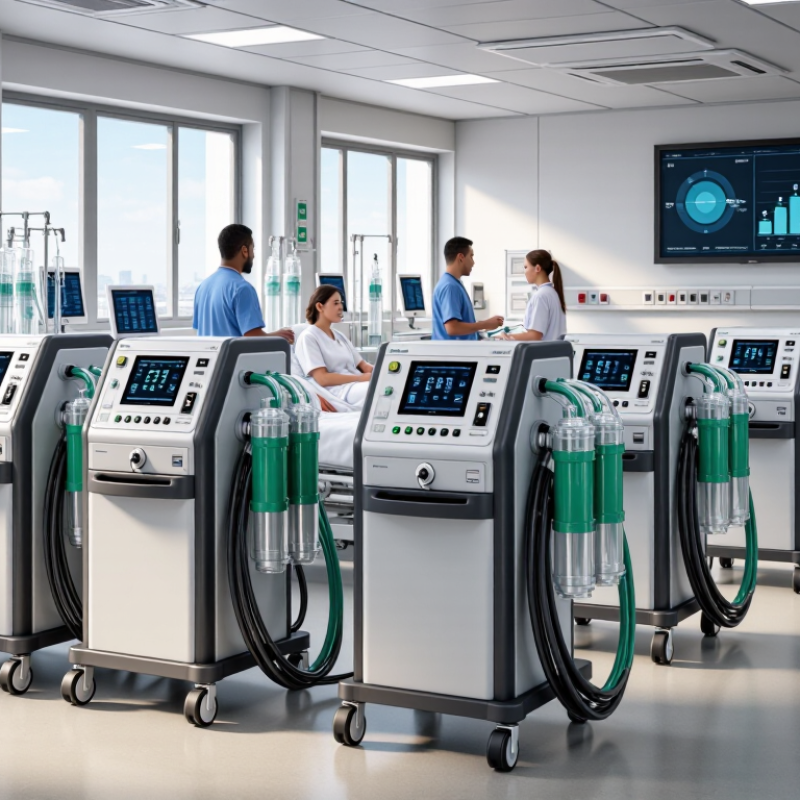
What Is a Central Driving Concentrator?
A central driving concentrator is generally a fixed, high-capacity system that produces concentrated oxygen for several outlets from one central location. It draws in room air and uses pressure-swing adsorption to separate much of the nitrogen. The oxygen then passes through a distribution network. In a facility, that may mean piping to wall outlets rather than moving a small unit from room to room. The term is not used consistently everywhere, so the equipment specifications matter.
A typical system includes an air compressor, filters, molecular sieve beds, storage, sensors, and control equipment. Operators monitor oxygen concentration, pressure, and flow, not just whether the machine is running. Alarms and a backup supply can help maintain service during faults or maintenance. Small details count. Dusty intake areas, poor ventilation, or overdue filter changes can affect performance.
For medical use, a concentrator must suit the facility’s demand and follow applicable medical-device and installation requirements. Clinical teams should determine whether its output is appropriate for patients. A high rated capacity alone does not make a system the best choice. The right fit depends on peak demand, maintenance support, backup arrangements, and the building’s piping. Even a well-designed system can be a poor match if its real operating conditions were overlooked.
How Does a Central Driving Concentrator Work?
A central-driving concentrator uses one powered compressor to move room air through filters and molecular-sieve beds. The compressor supplies the driving force. Inside each bed, zeolite captures much of the nitrogen under pressure, allowing oxygen-enriched gas to pass onward. Valves switch beds in sequence: one separates gas while the other releases trapped nitrogen. This pressure-swing adsorption cycle runs repeatedly, rather than storing oxygen in a large tank.
The delivered gas then passes through a flow meter and tubing to the user. WHO and UNICEF’s 2019 Technical Specifications and Guidance for Oxygen Therapy Devices describe concentrators designed to provide oxygen concentrations of roughly 82–96%, depending on operating conditions. That range is a useful engineering reference, not a guarantee at every setting. Higher flow, blocked filters, heat, or altitude can affect output. A technician should verify concentration and flow with suitable equipment.
Small details matter.
A dusty intake grille can restrict airflow, while a loose connection may cause a leak that is easy to miss. The mechanism sounds simple, but real-world performance depends on upkeep, correct sizing, and monitoring. I would not judge a unit by its panel alone.
Which Features and Specifications Matter Most?
Choosing a central driving concentrator in 2026 starts with process data, not tank diameter alone. Match settling area to peak feed flow, solids loading, and the material’s settling behavior. Ask for sizing based on representative slurry tests; generic capacity figures can mislead. Bigger is not always better.
Check the drive’s rated torque and overload protection against thick-bed conditions and possible rake resistance. Review rake-arm strength, lifting capability, underflow discharge range, and the materials used on wetted surfaces. These details affect reliability when feed properties shift. Confirm that instrumentation can monitor bed level, torque, and overflow clarity, and that operators can access wear parts safely. Also verify site power, foundation loads, and available maintenance clearance. A specification sheet rarely captures every site constraint.
Tips: Request performance assumptions, not just headline capacity. Compare drawings with your actual layout, then ask how alarms and shutdowns respond to rising torque. Keep some doubt: a neat estimate may not reflect seasonal feed changes. Check service access before purchase.
How to Compare Central Driving Concentrators in 2026
When comparing central driving concentrators in 2026, start with the system’s stated output and operating conditions. Check capacity at the pressure and flow your installation actually requires, not just the largest figure in a brochure. Ask for test data, operating limits, and alarm details. Numbers can mislead.
Then look at energy use, sound levels, heat, and service access. A unit may fit a technical specification yet be awkward in a small utility room. Picture a technician reaching filters, valves, and connections without moving other equipment. Compare maintenance intervals and the availability of replacement parts, too. These details affect downtime as much as purchase price.
Request written documentation and confirm that an independent installer can verify performance after setup. For oxygen-related applications, have a qualified healthcare professional determine clinical requirements; equipment specifications alone cannot set a patient’s needs. Check warranty terms and service response times in writing. I would not treat a quiet demonstration as proof of long-term reliability. That’s a limitation worth admitting: published comparisons rarely show how a system performs after years of real use. Look for documented testing, clear support procedures, and measurements taken under conditions close to your own.