
Accordian Closable

Which Color Dosing Machine Is Best in 2026?

Choosing the best Color Dosing Machine in 2026 depends on the material, production speed, and accuracy your process requires. A machine that performs well with liquid coatings may not suit viscous inks or small-batch plastics. The right choice should deliver repeatable dosing, straightforward calibration, and dependable support—not just an impressive control screen.

Small differences matter. A slight dosing error can shift a paint sample from warm gray to blue-gray, or leave visible streaks across a coated panel. Check how the machine handles your actual colorants, container sizes, and target batch volumes. Ask for a demonstration using your materials, and review cleaning time, changeover steps, and service access. Real samples help. Brochure claims alone do not.

Color scientist Dr. Roy S. Berns is a relevant authority on color measurement. A useful editorial paraphrase of his field’s emphasis is: “Repeatable measurement supports confident color decisions.” This is not a verbatim quotation, and Berns is a color-science expert, not a dosing-machine manufacturer. That distinction matters. In this guide, we compare machine types, dosing accuracy, software, maintenance, and total operating needs. We also point out where published specifications can leave practical questions unanswered. No single model is best for every plant. The strongest choice is the one that consistently meets your requirements on the production floor.
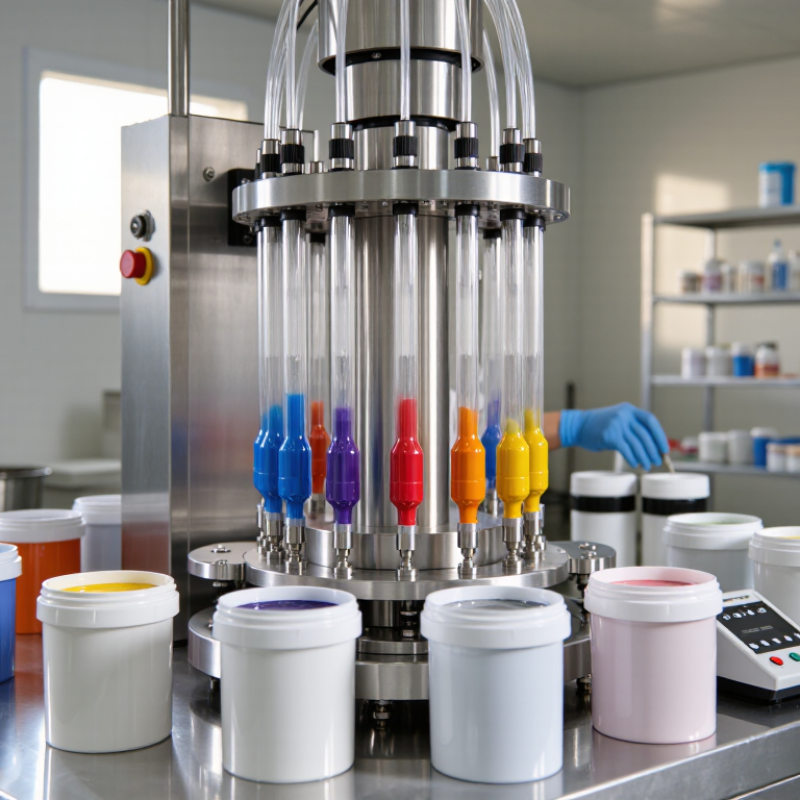
Which Color Dosing Machine Is Best in 2026?

What Is a Color Dosing Machine and How Does It Work?

A color dosing machine meters concentrated colorants into a base material to produce a repeatable shade. It typically uses pumps or valves, a controller, and a mixing vessel. The operator selects a formula; the machine dispenses measured amounts, then the batch is blended.

Some systems measure by weight, while others meter by volume. Weight-based dosing can help when colorant density varies.

On a production line, a sensor or scale checks each addition, and software records the recipe. The operator may compare a dried sample against a target using a spectrophotometer. Yet sensors need calibration. Viscosity, temperature, and a partly blocked nozzle can alter the dose. Small errors show up. A blue batch may look dull beside the approved sample.

Grand View Research’s 2024 colorants market report estimated global market value at about US$50 billion in 2023, underscoring the scale of colorant use across industries.

ISO 11664 provides standards for color measurement, but measurement alone cannot fix poor mixing or inconsistent raw materials. Operators still need to check samples under controlled lighting and review out-of-range batches.

The awkward part: even a well-set machine can repeat the wrong formula.

Which Types of Color Dosing Machines Are Available in 2026?

In 2026, color dosing machines generally fall into four practical types: volumetric, gravimetric batch, continuous loss-in-weight, and liquid dosing systems. Volumetric units meter colorant by screw rotation or volume. They are simple and compact, but changes in pellet size or bulk density can shift the actual dose. Gravimetric batch machines weigh each addition, making them useful for frequent color changes and small production runs. They need careful calibration.

Continuous loss-in-weight systems weigh material as it feeds, then adjust the rate to maintain a target ratio. They suit steady production and tighter dosing control, though vibration or poor refilling can disturb readings. Liquid systems pump concentrated color into compatible processes. They can reduce dust and disperse pigments well, but require attention to viscosity, cleaning, and material compatibility. Small details matter.

Plastics Europe’s Plastics – the Fast Facts 2024 reports 413.8 million tonnes of global plastics production in 2023. That figure describes the wider materials industry, not dosing-machine demand, but it shows the scale and variety of processing needs. For a stable line, gravimetric or loss-in-weight equipment may offer stronger control. For simpler jobs, volumetric dosing can be enough. I would not call one type universally best; even a well-specified machine can disappoint if the feed throat bridges or the operator changes materials without recalibration. Short trials help.

How Do Leading Color Dosing Machines Compare?

Which Color Dosing Machine Is Best in 2026?

How Do Leading Color Dosing Machines Compare?

Leading color dosing machines differ in how they measure pigment, handle production speed, and fit into existing lines. Volumetric systems meter a set volume, making them straightforward for repeatable jobs. Gravimetric systems measure weight, which can help when pigment density varies or a formula needs tighter control. Neither type wins every comparison. The right choice depends on the material, batch size, and acceptable color variation.

A useful trial uses your own pigment and base material. Check repeatability across several doses, not just one successful run. Watch how the machine performs at low flow, where small errors matter more. Also inspect nozzle design, hose changes, cleaning time, and how clearly operators can adjust recipes. A polished specification sheet can still mislead; real production conditions are messier.

For frequent color changes, easy cleaning may save more time than a higher headline speed. For steady, high-volume production, faster dosing and automated recipe control may matter more. Compare service access and spare-part availability, too. These details are easy to overlook. One trade-off: simpler equipment can be easier to maintain, but may offer fewer controls for complex recipes. Decide what your operators can use reliably, then verify the choice with a short production trial.

Which Machine Best Fits Each Industry and Production Scale?

The best color dosing machine depends on recipe changes, batch size, and whether colorants arrive as liquids or powders. Textile Exchange’s Materials Market Report 2024 estimates global fiber production reached 124 million tonnes in 2023. Large dyeing operations often benefit from centralized, automated batch dosing, while smaller workshops may need flexible systems that handle frequent color changes. Scale matters. Check clean-down time, dosing accuracy, and whether operators can verify a recipe before production.

Plastics Europe’s Plastics—the Fast Facts 2024 reports global plastics production of 413.8 million tonnes in 2023. For continuous, high-volume molding or compounding, gravimetric dosing can help maintain a consistent pigment-to-resin ratio. Smaller processors may prefer modular equipment that supports short runs without tying up floor space. In coatings, the right setup depends on container size and how often formulas change; a compact weighing-and-dosing station may suit varied batches better than a fixed high-throughput line. Not always. A specification sheet can overlook awkward hopper refills or residue around valves. Trial the machine with the actual colorant and recipe before choosing.

How to Choose the Right Color Dosing Machine in 2026?

Which Color Dosing Machine Is Best in 2026?

How to Choose the Right Color Dosing Machine in 2026?

Start with the material, not the machine’s advertised speed. A liquid colorant, fine powder, and viscous paste each behave differently during feeding. Check whether the dosing system can handle your colorant without bridging, dripping, or leaving residue. Small details matter. Ask for a trial using your actual material and a typical batch size.

Match the dose range and accuracy to your production needs. A machine designed for large batches may struggle with small, high-value color additions. Request repeatability results across several cycles, not just one successful dispense. Also consider how operators set recipes, clean contact parts, and verify calibration. If a color change takes too long, the machine may lose value between runs.

Check how the unit fits your existing mixer, controls, and available floor space. Review the service plan and the availability of wear parts before purchase. A specification sheet can look convincing, yet it rarely captures a sticky nozzle or a rushed shift change. That is worth reflecting on. When possible, observe a full changeover and ask operators to try the controls themselves. Choose the machine that performs reliably with your process, not merely the one with the most features.

Which Color Dosing Machine Is Best in 2026? — How to Choose the Right Color Dosing Machine in 2026

Machine Type How It Doses Color Typical Application Practical Dosing Range Accuracy Factors Main Advantages Limitations Best Fit
Volumetric screw doser A motor-driven screw meters color concentrate by volume into the host material. Plastic injection molding and extrusion using free-flowing pellets or granules. Commonly used for low-to-moderate addition rates; the usable range depends on screw size, material flow, and production rate. Bulk density, pellet shape, screw speed, hopper fill, and material bridging can affect the delivered mass. Simple setup, compact footprint, and generally lower initial cost than gravimetric systems. It does not directly verify mass output; recipe accuracy can change when material density or flow changes. Stable processes where the colorant and operating conditions remain consistent.
Gravimetric loss-in-weight doser Load cells measure the decrease in hopper weight as the feeder supplies color concentrate. Injection molding, extrusion, compounding, and other processes needing controlled mass flow. Suitable for low-rate feeding as well as higher throughput, provided the feeder is correctly sized for the target rate. Load-cell resolution, vibration, refill settings, calibration, and stable material flow influence performance. Controls feed by measured mass rather than relying only on volume, helping compensate for changes in bulk density. Typically more complex and costly than a basic volumetric feeder; installation and setup affect results. Frequent recipe changes, tighter color consistency requirements, or processes where material flow varies.
Liquid colorant dosing system A pump meters liquid colorant into the polymer stream or process at a controlled rate. Plastic processing applications using compatible liquid colorants and suitable mixing equipment. Set according to the colorant formulation, required let-down ratio, pump capacity, and production throughput. Viscosity, temperature, pump calibration, pulsation, tubing condition, and mixing quality all matter. Can provide consistent metering and avoid handling solid color concentrate in compatible applications. Requires compatible colorant, seals, hoses, and cleaning procedures; spills and residue need to be managed. Plants already using liquid colorants or seeking to reduce solid concentrate handling.
Batch gravimetric blender Weighs separate material components, including color concentrate, into a batch before blending or feeding. Injection molding and extrusion lines that need repeatable multi-ingredient recipes. Defined by batch size and ingredient quantity; very small color additions require suitable weighing resolution. Scale resolution, batch size, material discharge, mixing time, and ingredient segregation affect the result. Measures recipe components by weight and can manage several ingredients within one system. Batch preparation and mixing may add process steps; small doses can be challenging if the scale is oversized. Multi-component recipes, centralized recipe control, or processes that benefit from weighed batches.
Vibratory or belt-based powder feeder A controlled vibrating tray or belt meters powder into a process stream, often with feedback from weighing equipment. Powder pigments, additives, and other dry materials that are unsuitable for a standard pellet screw feeder. Depends strongly on powder properties, feeder geometry, and whether the system uses closed-loop weight control. Particle size, moisture, cohesion, aeration, dust, and vibration can affect flow and measurement. Can handle certain powders that do not feed reliably through conventional screw systems. Powders may bridge, segregate, or generate dust; feeder selection and containment are important. Powder colorants or additives that require a feeder designed for their specific flow characteristics.
Manual or simple batch dosing An operator weighs or measures color concentrate and adds it to a batch or machine hopper. Laboratory trials, small production runs, and infrequent color changes. Limited by the scale resolution, weighing method, batch size, and operator procedure. Scale calibration, operator technique, weighing conditions, and mixing consistency are key factors. Low equipment cost and flexible for trials or low-volume work. More labor-intensive and less suitable for high-throughput production or frequent recipe changes. Sampling, occasional production, or low-volume applications where automation is not justified.

Selection note: Dosing ranges and achievable accuracy are application-dependent, not universal specifications. Confirm the required feed rate, colorant form, target addition ratio, material compatibility, and process conditions with a representative material trial before selecting equipment.