Discover the Best Robot Machines for Your Manufacturing Needs?
The integration of robot machines in manufacturing has transformed the industry. These advanced technologies enhance efficiency and precision, making production processes faster and more reliable. However, selecting the right robot machine for specific manufacturing needs can be challenging.
Many companies struggle with this decision. Factors like the cost, type of work, and required flexibility play a significant role. It’s essential to understand the capabilities and limitations of each robot machine. Not all robots are created equal; some excel in repetitive tasks, while others are better suited for complex operations.
Manufacturers must reflect on their unique needs. Assessing current workflows and future goals is crucial. Investing in the wrong type of robot machine can lead to wasted resources and missed opportunities. A thoughtful approach ensures that businesses find the best solutions tailored to their requirements.
Understanding the Role of Robotics in Modern Manufacturing
Robotics plays a transformative role in modern manufacturing. With rising labor costs and the demand for precision, automation has become essential. Robotics systems enhance efficiency and improve accuracy. They perform repetitive tasks, allowing human workers to focus on complex problem-solving. However, integrating robotics is not without challenges. Training employees to work alongside these machines can be difficult.
Many companies find it hard to choose the right system for their needs. Investing in robotics requires thorough research and understanding. It’s crucial to analyze specific manufacturing processes. Some tasks might benefit from collaborative robots, while others may need heavy-duty machines. Those decisions are pivotal for maximizing productivity.
Moreover, regular maintenance is vital. A neglected robotic system can lead to costly downtime. Companies must establish protocols for upkeep. Addressing these issues helps build a more resilient manufacturing environment. As robotics continue to evolve, businesses must stay informed. Selecting the right robotic solution can significantly impact long-term success.
Types of Robot Machines in Manufacturing: A Comprehensive Overview
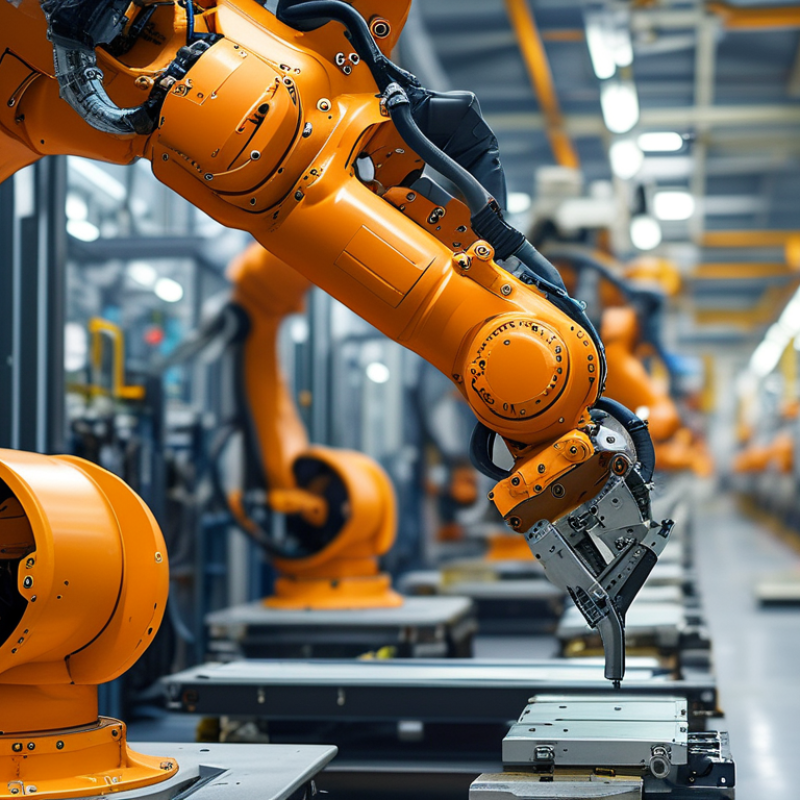
In today’s manufacturing landscape, robot machines are transforming production processes. Various types cater to specific needs. Industrial robots are among the most common. They excel in tasks like welding and assembly. Precision is their primary strength, allowing for reduced waste.
Collaborative robots, or cobots, work alongside humans. They are designed to handle repetitive tasks, which can free up human workers for more complex activities.
Another type is mobile robots. These machines can navigate factories and transport materials autonomously. Their flexibility allows manufacturers to adapt to changing workflows easily. However, there are challenges. Manufacturers must ensure a robust infrastructure for these robots. Also, employee training is vital for effective integration. Without proper training, operational hiccups may occur. This highlights the complexity of adopting new technologies in manufacturing.
Automated guided vehicles (AGVs) are popular for material handling. They follow predefined paths but can struggle with unexpected obstacles. It’s crucial to maintain their environment. Sensors can help, but so can regular maintenance routines. In conclusion, while robot machines offer immense benefits, thoughtful implementation is key. Balancing automation with human input can lead to better outcomes.
Key Features to Consider When Choosing Manufacturing Robots
When selecting manufacturing robots, several crucial features should guide your decision. The type of tasks they perform is paramount. For example, some robots excel in welding, while others specialize in assembly. According to recent reports from the International Federation of Robotics, automated solutions increased productivity for companies by 31% in the past year alone. This underscores the importance of matching robot capabilities with your specific production needs.
Another essential feature to consider is the flexibility of the robot. Some businesses require machines that can handle various materials or products. A flexible robot can adapt quickly, which reduces downtime and enhances efficiency. A study by McKinsey & Company highlighted that 80% of manufacturers find adaptability important for meeting changing market demands.
Tip: Before committing, assess your current workflow. Are there repetitive tasks that could benefit from automation?
Safety is another critical aspect. Robots equipped with advanced sensors can operate alongside human workers, minimizing risks. However, integrating safety features may require additional investment. Balancing cost against benefits is vital. Continuous assessment of these features will help ensure you’re making informed decisions.
Tip: Consider seeking advice from industry experts to tailor solutions to your unique challenges.
Top Brands and Their Offerings in Industrial Robotics
The industrial robotics landscape is evolving rapidly. According to recent data, the global industrial robotics market is projected to reach $70 billion by 2025. This growth highlights the importance of selecting the right machinery for various manufacturing needs.
Top manufacturers offer a range of robotic solutions. Some focus on precision tasks, while others excel in speed and efficiency. The choice often depends on the specifics of the production line. For instance, some robots are designed for heavy lifting, while others cater to intricate assembly processes.
**Tip:** Assess your production goals before investing in robotics. Analyzing current workflows can reveal automation opportunities.
In addition, not all robots are created equal. Quality varies across industries and applications. Organizations should consider not only performance but also ease of integration. Compatibility with existing systems is crucial for maximizing efficiency.
**Tip:** Pilot testing can be beneficial. Consider running a small-scale trial to evaluate performance and adapt workflows accordingly.
Investing in the right robotic solutions takes thorough research. Effective partnerships with knowledgeable providers can enhance the selection process.
Discover the Best Robot Machines for Your Manufacturing Needs
| Robot Type |
Payload Capacity (kg) |
Reach (mm) |
Precision (mm) |
Application Area |
| Articulated Robot |
150 |
1500 |
0.01 |
Welding, Assembly |
| SCARA Robot |
50 |
1000 |
0.02 |
Pick and Place, Packaging |
| Delta Robot |
10 |
800 |
0.005 |
Food Processing, Electronics |
| Collaborative Robot |
20 |
1300 |
0.02 |
Assembly, Quality Control |
| Mobile Robot |
100 |
Varies |
N/A |
Material Handling, Inventory |
Future Trends in Robotics for Manufacturing Industries
The manufacturing sector is witnessing a transformational shift due to advancements in robotics. According to the International Federation of Robotics (IFR), the global stock of industrial robots exceeded 2.7 million units by 2021. This surge marks a pivotal moment as manufacturers strive for increased efficiency and precision. Automation is no longer just a trend; it is becoming a necessity in a competitive market.
Future trends indicate a growing emphasis on collaborative robots, or cobots. These machines work alongside human workers, enhancing productivity while ensuring safety. A report from McKinsey highlights that by 2030, automation could raise global productivity by as much as 1.4% annually. However, the transition to this new era is not without challenges. Companies must consider workforce training and potential job displacement. As Roberts’ study suggests, 20-30% of jobs could be affected. Manufacturers need to adopt a balanced approach, integrating technology while investing in employee reskilling to mitigate the risks.
Moreover, sustainability is becoming a core driver for robotics in manufacturing. Industry 4.0 emphasizes smart technologies that reduce waste and improve energy efficiency. Data from the World Economic Forum indicates that automation can lead to a 10-15% reduction in energy consumption. Yet, as machinery becomes more sophisticated, the initial costs can be daunting. Companies might hesitate to invest without clear ROI projections. Hence, a thoughtful evaluation of both technological capabilities and economic implications remains crucial for success in this evolving landscape.