Accordian Closable

China Top 10 Robotic Automation Solutions Companies

China has become a major source of robotic automation solutions, serving manufacturers that need faster production, steadier quality, and safer material handling. Across workshops and large plants, robots weld steel frames, move cartons, and repeat precise assembly steps. The right system can reduce manual strain and production delays. It is not a universal fix. A robot may perform well in a demonstration yet struggle with crowded floors, changing product designs, or inconsistent parts.

Joseph Engelberger, a pioneer of industrial robotics, is often credited with saying, “I can’t define a robot, but I know one when I see one.” The line captures a useful challenge: automation is more than the machine itself. Software, integration, maintenance, and worker training shape the results. Small details matter. A misaligned fixture or a slow safety check can hold up an entire line.

This guide introduces 10 robotic automation companies in China and the capabilities that distinguish them. It considers product range, application experience, technical support, and suitability for different production needs. These points offer a practical starting place, not a guarantee of performance. Company strengths and service coverage can vary by region and project. Buyers should verify specifications, test real workloads, and ask how systems will be supported after installation. Some comparisons remain imperfect; public information does not always reveal how a solution performs on a factory floor.
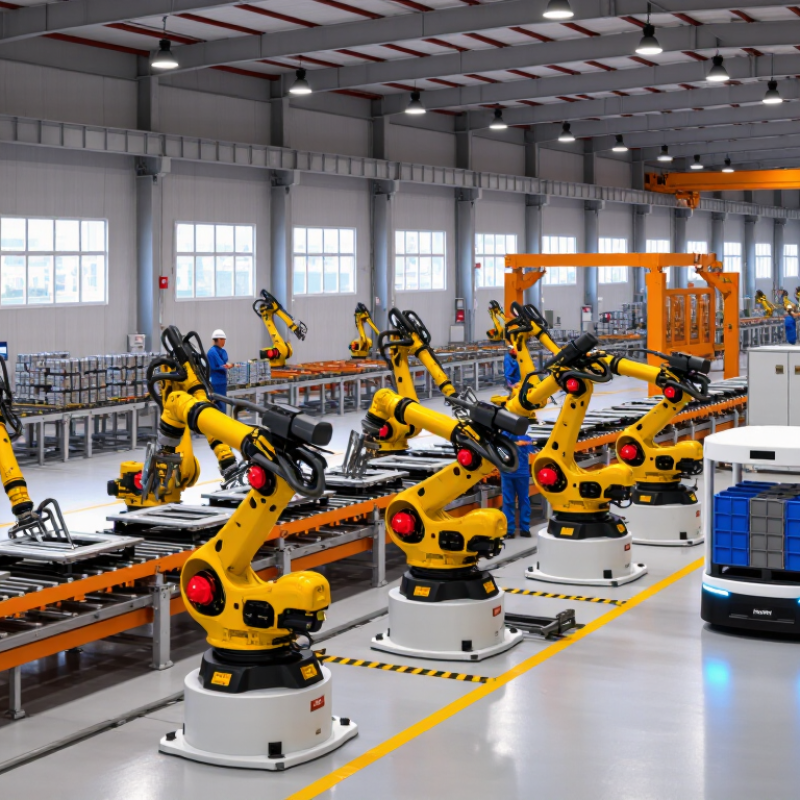
China Top 10 Robotic Automation Solutions Companies

Scope of China’s Robotic Automation Solutions Industry

China Top 10 Robotic Automation Solutions Companies

The scope of China’s robotic automation solutions industry extends beyond robot arms. It includes system design, machine vision, motion control, software integration, installation, and ongoing maintenance. Common applications include welding vehicle frames, sorting parcels, assembling electronics, and palletizing cartons. In a busy factory, a camera may check each component while a robot places it on a moving conveyor.

Demand comes from manufacturers seeking more consistent output and safer ways to handle repetitive or heavy tasks. Yet adoption varies widely. Large plants may connect robots to production data systems, while smaller workshops often start with one automated cell. That difference matters: a technically capable robot may still underperform if its gripper, safety controls, or production layout are poorly matched. Integration can be harder than expected. Results also depend on staff training and reliable maintenance, not just equipment specifications.

Tips: Before comparing solutions, document cycle time, product variation, floor space, and the task’s physical risks. Ask how quickly the system can switch between products, and what support is available after installation. Request a trial using representative parts. A polished demonstration is useful, but real production conditions can be messier.

Criteria for Identifying Leading Chinese Automation Companies

When assessing China’s leading robotic automation companies, look beyond product catalogs and polished demonstrations. A credible evaluation starts with documented deployments in factories similar to the buyer’s own. Check whether systems handle real cycle times, product variation, and shift changes—not just a carefully staged test. Details matter. Ask for measured uptime, changeover time, and maintenance intervals, with the conditions behind each figure. Safety design, operator training, and integration with existing equipment also deserve close review. A technically impressive cell may still create delays if workers cannot troubleshoot routine stoppages.

Engineering depth is another useful measure. Review the company’s ability to adapt grippers, vision systems, controls, and layouts to specific tasks. Request clear project schedules, acceptance criteria, and support arrangements after installation. Local service capacity matters when a sensor fails during a night shift. No metric tells the whole story. Published case studies can be selective, while a site visit may reveal problems that slides omit. A practical shortlist should compare evidence from pilot runs, customer references, and lifecycle costs. One limitation: comparisons are imperfect, because factories measure productivity differently. Treat rankings as a starting point, not a substitute for a carefully scoped trial.

Profiles of Ten Major Robotic Automation Solutions Companies

These ten profiles examine how major robotic automation solution companies approach factory challenges. The comparison focuses on practical capabilities, not promotional claims. Some providers specialize in robot arms and machine tending; others combine vision systems, conveyors, and software into complete production cells. Their work may serve automotive plants, electronics lines, or warehouses. The right fit depends on the task, site layout, production volume, and support available after installation. A polished demonstration is useful, but it cannot reveal every integration challenge.

Tips: Ask how a system handles part variation, dust, and unexpected stoppages. Request a site assessment and a clear maintenance plan. Small details matter.

When reviewing a provider, look for evidence of commissioning experience, operator training, safety assessment, and measurable performance targets. Ask what happens when a gripper wears or a production schedule changes. These questions can expose gaps early. No solution is fully hands-off; teams still need to monitor quality and maintain equipment. Comparing the ten profiles through these practical details offers a more grounded view. Even so, published case studies may not match your facility exactly. Verify assumptions with your own process data.

Key Technologies and Services Offered by These Companies

Across China’s robotic automation sector, solution providers commonly combine robot hardware, control systems, and factory integration. Offerings may include six-axis arms for welding or machine tending, SCARA robots for fast assembly, and autonomous mobile robots for moving bins across production floors. Cameras and vision software help locate parts, check dimensions, and detect surface defects. Integration teams connect these tools with conveyors, programmable controllers, and manufacturing data systems.

Services often begin with process assessment and layout design. Engineers may simulate robot reach, cycle times, and collision risks before installation. On site, they configure grippers, safety scanners, and production-cell controls, then train operators and maintenance staff. Support can include spare parts, remote diagnostics, and periodic performance reviews.

The details matter.

A vision system that works under bright showroom lights may struggle beside a reflective metal press. Integration is rarely plug-and-play, and smaller factories may need to phase in equipment to manage cost and downtime.

That trade-off deserves more attention. Companies also differ in software openness, local service coverage, and how clearly they document future upgrades.

Industries and Applications Served by China’s Automation Providers

China’s automation providers serve automotive, electronics, metalworking, food processing, and logistics operations. The scale is substantial: China installed 276,288 industrial robots in 2023, representing 51% of global installations, according to the International Federation of Robotics’ World Robotics 2024 report.

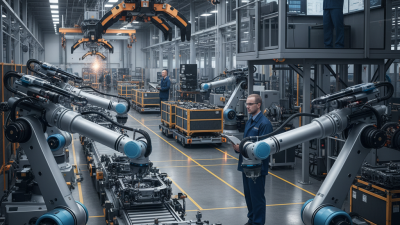
In vehicle factories, robots weld body frames, apply coatings, and move heavy components between stations. Electronics plants rely on compact systems for precise assembly, inspection, and material handling. Metalworking operations use robotic arms for machine tending and repetitive welding. Food producers apply automation to packaging, sorting, and palletizing, where hygiene and consistent cycle times matter. Precision matters.

Warehouses increasingly use mobile robots to move totes and finished goods across busy floors. Yet one solution rarely fits every site. A robot cell that works well in a new plant may struggle with older equipment, variable product designs, or limited floor space. IFR installation figures show market scale, not equal adoption across industries or company sizes. Buyers should assess process stability, worker training, safety integration, and maintenance access before choosing a system. Small details can decide whether automation delivers reliable output.