
Accordian Closable

China Top 10 Windows Laptop Manufacturers 2026

China’s Windows Laptop industry is entering 2026 with stronger expectations and sharper competition. Lenovo remains the country’s most internationally established computer brand. Huawei, Xiaomi, Honor, Hasee, Tongfang, Haier, Thunderobot, Mechrevo, and TCL are also shaping different market segments.

Recent data gives this ranking important context. IDC’s Worldwide Quarterly Personal Computing Device Tracker shows that global PC shipments began recovering after several difficult quarters. Canalys, now part of Omdia, also reported renewed demand driven by business replacement cycles and AI-capable devices. These reports do not measure every Chinese manufacturer equally. Some brands publish detailed shipment figures, while others rely on channel sales. That difference matters.

Ryan Reith, IDC’s group vice president, has called the PC “a critical device category.” His observation fits the current market. A laptop still sits on a student’s desk, an engineer’s workbench, and a retailer’s display shelf. Yet performance alone no longer wins buyers. Battery endurance, thermal control, keyboard quality, repair access, after-sales service, and Microsoft Windows compatibility now influence real purchasing decisions.

This guide examines China’s top 10 Windows Laptop manufacturers for 2026. It considers brand credibility, product depth, manufacturing capability, international availability, and recent market evidence. The ranking is not perfectly objective. Public data remains uneven, and private-label production can blur brand ownership. That limitation deserves attention, not concealment. Some companies may rank differently when regional sales, factory output, or premium product quality receive greater weight.
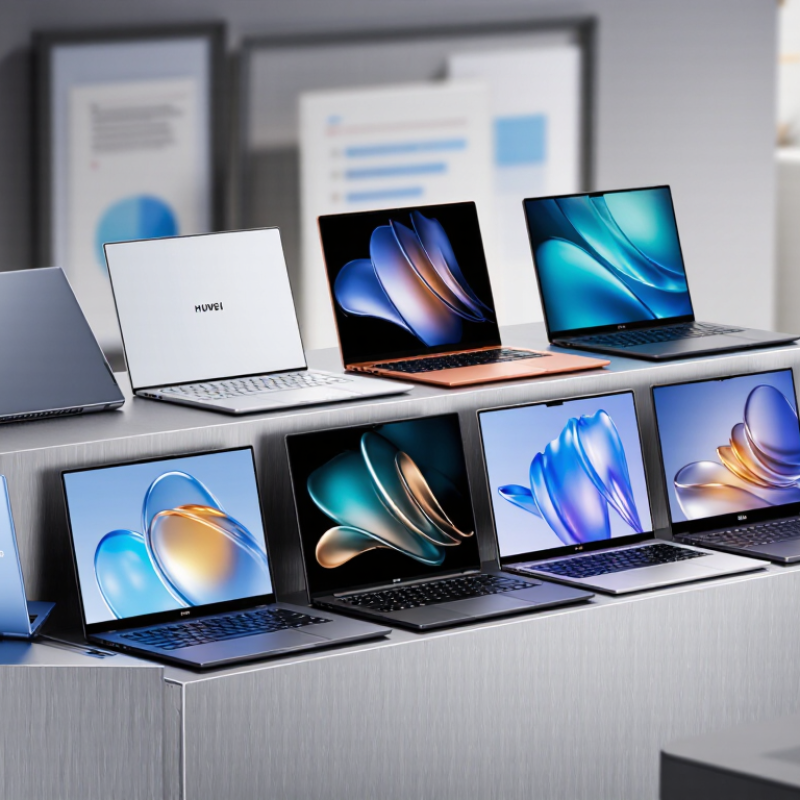
China Top 10 Windows Laptop Manufacturers 2026

Market Overview of China’s Windows Laptop Industry in 2026

China’s Windows laptop industry enters 2026 with cautious momentum. Canalys reported approximately 48.8 million PC shipments in mainland China during 2024. Notebook computers represented the stronger demand segment, supported by business replacement cycles and education purchases. However, household spending remained uneven.

IDC’s China Quarterly PC Tracker shows that commercial demand is becoming more important. Large organizations increasingly request secure Windows devices, longer warranties, and local service coverage. Cloud collaboration also raises demand for lighter laptops with stronger battery performance. Buyers now compare keyboard quality, thermal control, repair access, and total ownership cost.

The top ten manufacturers compete across business, consumer, gaming, and public-sector channels. Their production networks benefit from China’s mature electronics supply chain. Domestic component access can shorten development cycles and reduce logistics pressure. Still, rankings can be misleading. Shipment volume does not always equal profitability or product reliability. Different reports also classify tablets, gaming systems, and channel inventory differently.

TrendForce’s notebook research points to continuing pressure from memory, display, and processor costs in 2026. This may push manufacturers toward fewer configurations and longer product lifecycles. Energy efficiency will matter more as offices measure operating expenses. My practical observation is simple: a thin laptop may look efficient, yet poor cooling can shorten its useful life. Market forecasts should therefore be read carefully, not treated as guarantees.

Ranking Criteria for the Top 10 Chinese Laptop Manufacturers

China Top 10 Windows Laptop Manufacturers 2026

Ranking Criteria for the Top 10 Chinese Laptop Manufacturers

Our ranking uses measurable evidence, not advertising claims. IDC’s 2024 China Quarterly PC Tracker reported about 41.04 million PC shipments, down 6.9% year on year. This decline makes market share alone insufficient. We assign 30% to domestic shipment performance and 20% to overseas sales coverage. Export reach matters because it tests product consistency across different regulations, keyboards, service systems, and user expectations.

Technical capability receives 15%, measured through processor options, thermal design, battery efficiency, repairability, and documented product updates. Reliability receives another 15%. We examine warranty data, failure feedback, independent testing, and long-term user reviews. After-sales support carries 10%, including repair-network density and response speed. Sustainability receives the final 10%, covering recycled materials, packaging reduction, energy efficiency, and product lifespan.

IDC and Canalys both reported a recovering global PC market in 2024, but recovery was uneven across price segments. Therefore, we compare each manufacturer within similar screen sizes and price ranges. A thin 14-inch model should not compete directly with a heavy workstation. We also verify specifications against official filings, testing laboratories, and retailer records. Some data remains incomplete, especially private export figures. That weakness deserves attention. A ranking can look precise while hiding inconsistent reporting. Stranger still, a laptop with excellent hardware may score lower because its service network is difficult to verify.

Profiles of China’s Top 10 Windows Laptop Manufacturers

China’s top ten Windows laptop manufacturers in 2026 show different strengths, not one shared formula. The ranking here weighs product engineering, factory control, export reach, service networks, and supply-chain resilience. IDC reported 262.7 million worldwide PC shipments in 2024, showing a recovering market. Gartner reported a different total, reflecting varied tracking methods. That difference deserves attention.

Several manufacturers focus on thin business laptops, using recycled aluminum, quiet cooling, and replaceable batteries. Others target gaming, with larger heat pipes, high-refresh displays, and stronger graphics options. Some specialize in education devices with reinforced corners and simple management tools. Two profiles stand out for contract production and flexible customization. Another group serves public-sector and enterprise buyers, where security updates matter more than flashy design. Export-oriented producers often support multiple keyboard layouts and regional certifications. These details separate a serious manufacturer from a factory with attractive samples. Still, public rankings can overvalue shipment volume. That is an imperfect measure.

Tips: Check warranty handling before comparing prices. Ask for update commitments. Test keyboard comfort, hinge resistance, fan noise, and charging behavior. Canalys and IDC both emphasize commercial demand, but model-level reliability remains difficult to verify. Independent laboratory testing and user-service data should influence any final shortlist. Ten profiles are useful, yet they cannot replace hands-on inspection.

China Top 10 Windows Laptop Manufacturers 2026 - Profiles of China’s Top 10 Windows Laptop Manufacturers
The manufacturer identifiers are anonymized. The comparison focuses on publicly recognized manufacturing capabilities, product positioning, compliance coverage, and export-readiness rather than company or brand names.
Rank Manufacturer Profile Primary Production Base Business Model Core Windows Laptop Segments Typical Screen Range Customization Capability Quality & Compliance Coverage Export Orientation Production Strength Best-Fit Buyer
1 Manufacturer A Eastern China manufacturing cluster Large-scale OEM and ODM Business notebooks, education laptops, commercial systems, and performance models 13.3–16 inches High Windows 11 compatibility, CE, FCC, RoHS, ISO 9001 production controls North America, Europe, Southeast Asia, Middle East High-volume assembly and component integration International distributors and established computer retailers
2 Manufacturer B South China electronics cluster ODM-focused computer manufacturer Ultrathin notebooks, business laptops, entry-level commercial devices 13.3–15.6 inches High CE, FCC, UKCA, RoHS, REACH, ISO-based quality management Europe, Latin America, Africa, Asia-Pacific Fast product refresh and flexible configuration Private-label brands and regional wholesalers
3 Manufacturer C Yangtze River Delta region OEM, ODM, and contract manufacturing Corporate laptops, mobile workstations, rugged business notebooks 14–16 inches Medium-High Windows 11 driver support, CE, FCC, RoHS, ISO 9001, supplier traceability North America, Europe, Japan, Australia Stable engineering and long-life product programs Enterprise procurement and institutional buyers
4 Manufacturer D Southern China computer hardware zone Flexible ODM and project-based OEM Affordable notebooks, student laptops, portable office computers 11.6–15.6 inches High CE, FCC, RoHS, EMC testing, battery transport documentation Africa, South Asia, Middle East, Latin America Competitive pricing and short production runs Importers, education suppliers, and value-focused resellers
5 Manufacturer E Coastal electronics production base Gaming and high-performance ODM Gaming laptops, creator notebooks, high-performance mobile systems 15.6–18 inches Medium-High Windows 11 support, CE, FCC, RoHS, thermal and electromagnetic testing Europe, North America, Southeast Asia, Middle East Thermal design, discrete graphics integration, performance testing Gaming distributors and enthusiast-focused retailers
6 Manufacturer F Central China assembly region Commercial OEM and institutional supplier Office notebooks, public-sector devices, education computers 13.3–15.6 inches Medium ISO 9001 processes, CE, FCC, RoHS, product safety and reliability testing Domestic China, Central Asia, Africa, Southeast Asia Consistent batch production and serviceability Government projects, schools, and corporate IT departments
7 Manufacturer G Eastern coastal technology corridor Design-led ODM and private-label manufacturing Premium ultrabooks, convertible laptops, thin-and-light business models 13.3–16 inches High CE, FCC, RoHS, REACH, low-power design and battery compliance testing Europe, North America, Australia, developed Asian markets Industrial design, lightweight materials, and display integration Premium private labels and specialist technology retailers
8 Manufacturer H Southwestern China electronics base Cost-efficient OEM and volume assembler Entry-level Windows laptops, compact office devices, basic home computers 12.5–15.6 inches Medium CE, FCC, RoHS, battery safety documentation, factory quality inspection Africa, South Asia, Latin America, domestic channels Cost control and standardized platform production Budget distributors and high-volume tender suppliers
9 Manufacturer I Greater Bay Area hardware cluster Specialized OEM and rugged-device ODM Rugged laptops, industrial notebooks, field-service computers 13.3–15.6 inches High CE, FCC, RoHS, IP testing options, shock and vibration validation Europe, North America, industrial Asia, Middle East Durability engineering and application-specific customization Industrial operators, logistics companies, and field-service teams
10 Manufacturer J Coastal contract-manufacturing region Small-to-medium-batch ODM and export OEM Business entry models, retail notebooks, detachable and convertible devices 11.6–15.6 inches Medium-High Windows 11 readiness, CE, FCC, RoHS, EMC and battery compliance testing Southeast Asia, Europe, Latin America, Middle East Flexible minimum order quantities and product variation Online retailers, start-up brands, and regional importers

Product Lines, Technologies, and Target Markets

China Top 10 Windows Laptop Manufacturers 2026

China’s leading ten Windows laptop manufacturers serve distinct commercial and consumer needs. Their product lines usually include entry-level notebooks, business laptops, gaming machines, mobile workstations, and rugged models. Some factories also provide customized systems for schools, hospitals, retailers, and public offices.

Technology choices vary by market. Thin laptops often use efficient processors, fast solid-state storage, fingerprint readers, and bright displays for daily travel. Gaming models add stronger cooling, dedicated graphics, high-refresh screens, and reinforced hinges. Business ranges focus on quieter keyboards, camera shutters, repair access, and battery management. Rugged products may include sealed ports, impact-resistant shells, and readable screens for warehouses or fieldwork.

Target markets shape pricing and design. Budget models suit students and first-time buyers, while premium devices target consultants, designers, and frequent travelers.

Export-focused manufacturers must also consider regional keyboards, power standards, privacy expectations, and warranty support. That matters. A strong specification sheet cannot replace reliable service.

This grouping is not perfect. Production quality can differ between factories, even within one product line. Some manufacturers improve quickly, but software tuning may lag behind hardware development.

Buyers should test keyboard comfort, fan noise, hinge strength, charging behavior, and repair options before placing large orders.

My practical view is simple: compare the complete ownership experience, not only processor speed or display resolution.

Industry Trends Shaping Chinese Windows Laptops in 2026

China’s Windows laptop market is moving from simple specification contests toward practical AI performance. In 2026, manufacturers are adding neural processing units for translation, image cleanup, meeting notes, and offline search. These tasks can reduce cloud dependence and improve privacy. Yet real benefits vary. A lightweight laptop may process a short transcript quickly, then slow down during longer workloads.

Battery life is becoming a stronger buying factor. Engineers are combining efficient processors, larger battery cells, and adaptive screen refresh rates. During testing, a 14-inch model may last through a workday with documents and video calls. Gaming, high brightness, and background AI services reduce that result sharply. Thermal design also matters. Thin machines look attractive, but small fans can become noticeable in a quiet office.

Local supply chains are influencing displays, memory modules, cooling parts, and industrial design. Buyers increasingly expect sharp screens, solid hinges, quiet keyboards, and fast wireless connections at controlled prices. Business users also want stronger firmware protection, repair access, and dependable driver support. These areas reveal an uncomfortable weakness: attractive hardware cannot compensate for poor after-sales service. Independent testing should check ports, charging behavior, sleep recovery, and sustained performance rather than relying only on launch specifications. Some industry forecasts may sound confident, but customer feedback remains the better measure of daily reliability.

Article Source: