How to Choose the Right Compression Fittings for Your Needs?
Choosing the right Compression Fittings is crucial for ensuring the integrity of your plumbing or HVAC systems. Compression fittings play a vital role in connecting pipes securely. However, it can be overwhelming with so many options available in the market.
When selecting compression fittings, consider factors such as material compatibility and pressure ratings. Different applications require different fittings. For instance, copper fittings are often used in plumbing, while plastic fittings may be more suitable for specific chemical applications. Failing to match the right material can lead to leaks and costly repairs.
Additionally, reflect on your experience and the specific requirements of your project. If you are unsure, consult a professional. Their expertise can help you navigate this complex landscape. Ultimately, making an informed decision will lead to better performance and longevity of your systems. Understanding compression fittings is essential for both novices and seasoned professionals.
Understanding Compression Fittings: Key Components and Functions
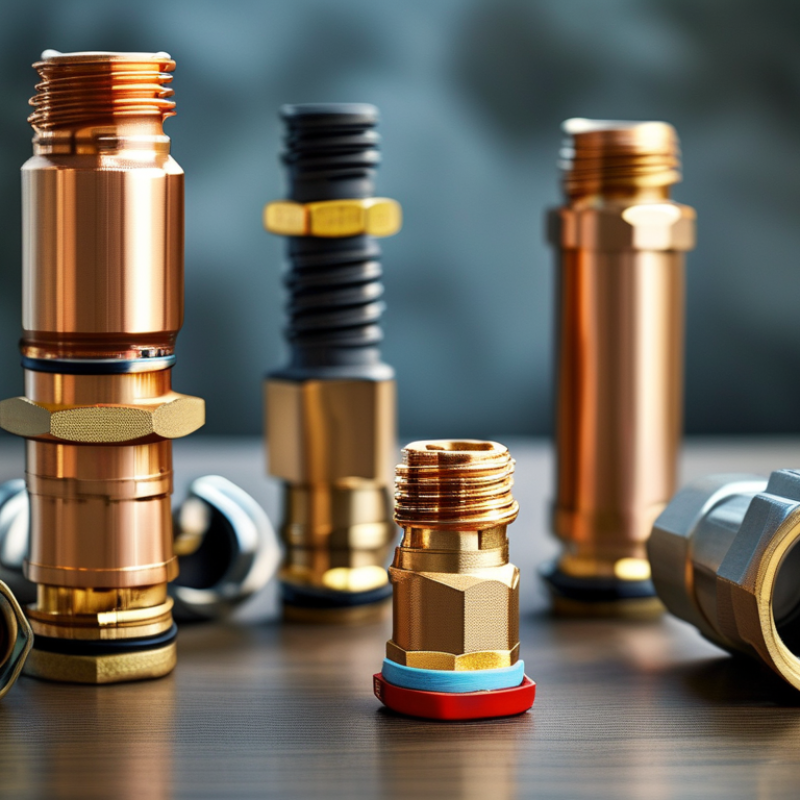
Compression fittings play a crucial role in various plumbing systems. They ensure a secure connection, preventing leaks. Understanding their key components helps in selecting the right type for your needs. These fittings consist of a body, a compression ring, and a nut. Each part works together to create a tight seal around the pipe.
When choosing compression fittings, consider the pipe material. Copper, PVC, and PEX each have specific fittings designed for optimal compatibility. The size of the fitting is also crucial. Too loose or too tight can lead to failure.
**Tip:** Always double-check measurements before purchasing. This simple step can save time and reduce errors.
Some users overlook the installation process. Correctly tightening the fittings is vital for preventing leaks. A wrench is often necessary to ensure a proper fit.
**Tip:** Don’t rush the installation. Take your time to check each connection.
Understanding these components and their functions can simplify your decision-making process. Evaluate your specific plumbing requirements for the best results.
How to Choose the Right Compression Fittings for Your Needs?
| Fitting Type | Material | Suitable Applications | Pressure Rating | Temperature Range |
| Brass Compression Fitting | Brass | Water, Air, Gas | Up to 200 psi | -40°F to 180°F |
| Stainless Steel Compression Fitting | Stainless Steel | Chemical, Hydraulic | Up to 1500 psi | -60°F to 400°F |
| Plastic Compression Fitting | PVC, CPVC | Water, Drainage | Up to 100 psi | -20°F to 140°F |
| Copper Compression Fitting | Copper | Plumbing, HVAC | Up to 1000 psi | -40°F to 250°F |
| Aluminum Compression Fitting | Aluminum | Air, Pneumatic | Up to 500 psi | -40°F to 300°F |
Identifying Your Application: Assessing Pressure and Temperature Needs
When selecting compression fittings, understanding your application’s pressure and temperature requirements is crucial. Different applications demand specific materials and designs to ensure reliability. Studies show that up to 80% of fitting failures occur due to incorrect temperature ratings. This indicates the importance of assessment during the selection process.
Temperature considerations vary significantly across industries. For instance, in gas and oil sectors, fittings might face temperatures ranging from -20°F to 300°F. In contrast, pharmaceutical settings may require tighter controls, not exceeding 140°F. Evaluating these conditions before selection minimizes the risk of fittings failing under pressure.
Tip: Always consult technical data sheets. They provide essential information on pressure ratings and material specifications.
Pressure requirements also play a vital role. Research shows that improper fitting can lead to leaks, with costs associated with leaks reaching millions annually in some industries. For high-pressure applications, stainless steel or special alloys are often recommended.
Tip: Perform a thorough analysis of peak pressure scenarios. Design tolerances can affect performance significantly. Regularly monitoring system performance could highlight issues before they escalate.
Material Selection: Choosing the Right Material for Your Compression Fitting
Choosing the right material for your compression fittings is crucial. Different materials offer distinct benefits and drawbacks. For example, brass is known for its durability and resistance to corrosion. It is often preferred in plumbing applications. However, brass can be expensive compared to other materials.
Plastic fittings are lighter and more affordable. They resist corrosion and work well in certain environments. However, they may not withstand high temperatures or pressures. This limits their use in demanding scenarios. Consider the specific conditions where the fittings will be installed.
Stainless steel is another option. It combines strength with corrosion resistance. While it can be costly, its longevity makes it a worthwhile investment for many projects. When selecting the material, think about compatibility with the fluid or gas involved. Misguided choices can lead to leaks or failures, causing issues down the line. Reflecting on these factors ensures a more reliable installation.
Sizing and Compatibility: Ensuring Proper Fit and Connection Types
When selecting compression fittings, sizing and compatibility are vital. Properly matching the fitting to your pipes ensures a secure connection. Measure the diameter of your pipes accurately. If the size is off by even a small margin, leaks could occur. Standard pipe diameters vary, so double-check specifications before purchasing.
Consider the connection types needed for your project. Compression fittings often come in various forms, such as threaded or slip connections. Each type suits different applications. If you use the wrong connection type, it can lead to integration problems. Be aware that not every fitting works with all materials. Mixing incompatible materials can weaken connections over time.
Installation may seem straightforward, but it requires care. Tightening too much can damage the fitting. Conversely, an overly loose assembly may lead to failure. It’s important to reflect on your installation techniques. If you encounter issues, reconsider your approach. Understanding your needs and application context can guide you in choosing fittings wisely.
Installation Best Practices: Tips for Optimal Performance and Safety
When installing compression fittings, proper technique is crucial. Start by ensuring that the pipe is cut cleanly. A jagged edge can cause leaks. Use a pipe cutter for precision. Deburr the edges before you begin assembly. This step helps to prevent damage during installation.
Next, assembling the fittings requires careful attention. Slide the compression nut onto the pipe, followed by the ferrule. Make sure the ferrule is positioned correctly. Tighten the compression nut with a wrench. Over-tightening can lead to cracks or failure. Yet, under-tightening may create leaks. Find a balance and check for secure connections.
Always consider regular maintenance checks. Even well-installed fittings can wear over time. Inspect for signs of corrosion or wear. Address issues promptly to maintain safety and performance. A small leak today can turn into a larger problem tomorrow. Remember, even experienced installers can overlook simple details. Stay vigilant to ensure your installation operates effectively.
Compression Fittings Performance Based on Material Type