2026 How to Choose the Best Safety Vest for Your Needs?
When choosing a Safety Vest, it’s essential to consider various factors that ensure both visibility and comfort. Safety vests are critical in numerous work environments, such as construction sites or roadside assistance. They help keep workers visible to others, significantly reducing the risk of accidents.
Different jobs require different types of safety vests. For instance, a construction worker might need a high-visibility vest with multiple pockets for tools. A cyclist, on the other hand, may prefer a lightweight vest that takes minimal space. Understanding the specific needs of your work environment is key.
Investing in the right safety vest is more than just a choice; it's about protecting lives. However, many overlook the quality and fit, resulting in discomfort. A well-fitted vest not only offers safety but also enhances productivity. Ensuring that your safety vest meets industry standards is crucial for effective protection.
Understanding the Importance of Safety Vests in Various Industries
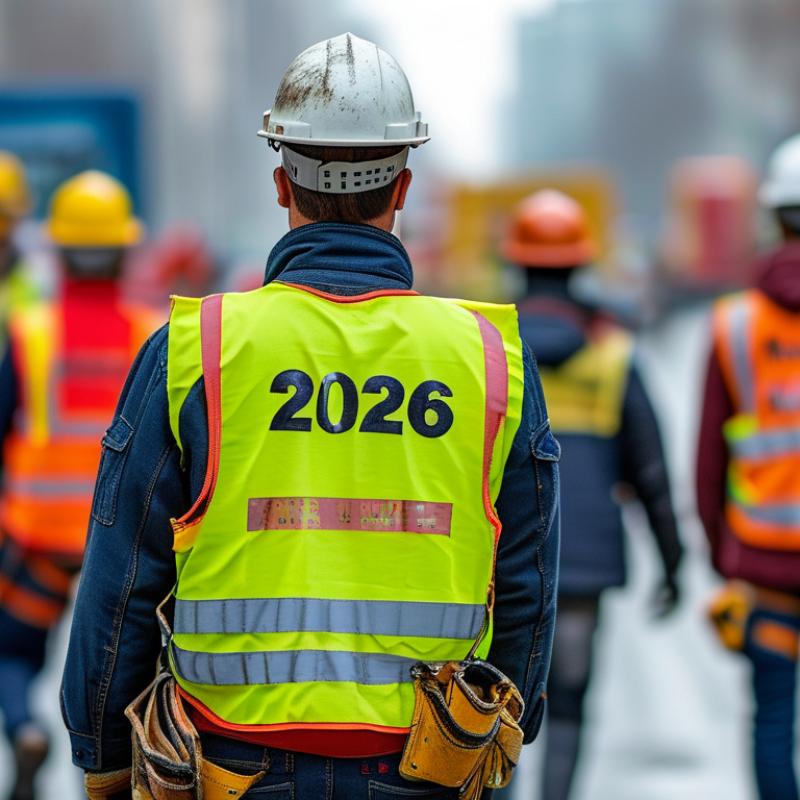
Safety vests play a crucial role across various industries, where visibility and protection are paramount. In construction sites, for instance, workers often operate near heavy machinery and vehicles. A brightly colored vest makes them more noticeable to operators. This simple yet effective measure can prevent accidents. Similarly, in road maintenance, workers wear vests to signal their presence to oncoming traffic, reducing the risk of collisions.
In the warehousing and logistics sector, safety vests help identify personnel during chaotic movements of goods. The ability to quickly spot team members promotes efficiency and safety in fast-paced environments. However, not all vests provide the same level of visibility and quality. Some might fade quickly or fail to meet safety standards. This inconsistency raises concerns about their effectiveness in protecting workers.
Additionally, outdoor workers in agriculture or landscaping benefit from safety vests. They make it easier for others to locate them in vast fields. Yet, not every worker understands the importance of proper fit and material. A vest that is too loose or restrictive can hinder movement. Workers must recognize these factors when selecting the right vest for their needs, ensuring their safety is always prioritized.
Types of Safety Vests: Designs and Features to Consider
When choosing a safety vest, consider various types and their features. Each design serves a different purpose. High-visibility vests, for example, often use bright colors and reflective stripes. These elements increase visibility in low-light conditions. It’s essential to understand where the vest will be used. If you work near traffic, opt for a vest with maximum reflectivity.
Look into the material and comfort as well. Some vests are made of lightweight, breathable fabrics. This can enhance comfort during long hours of wear. Others may offer water-resistant materials, which can be crucial in rainy weather. Evaluate features like pockets and zippers too. These additions can provide necessary functionality.
Not every vest suits every situation. It’s important to reflect on your specific needs. A vest with many pockets might be useful for carrying tools. However, it could also add bulk, which some may find uncomfortable. Think carefully about the design that best aligns with your work environment and personal comfort preferences.
Key Materials and Visibility Standards for Effective Safety Vests
When selecting a safety vest, understanding materials and visibility standards is crucial. High-visibility materials, such as fluorescent fabrics, significantly enhance visibility in various environments. For instance, bright colors like neon yellow or orange stand out against numerous backgrounds, making workers easily seen, especially in low-light conditions.
Reflective strips are another critical feature. These strips reflect light, increasing visibility during nighttime or in poorly lit areas. According to safety standards, these reflective elements should cover a certain percentage of the vest to ensure optimal visibility. However, not all reflective materials are created equal. Some wear out faster than others and may not provide the required visibility over time.
While choosing a vest, consider industry-specific standards. Different professions have unique visibility requirements. Construction workers may need more reflective gear than those in retail. It's important to reflect on what is suitable for one's specific working environment. Often, people choose stylish designs over functional ones, which can compromise safety. Always prioritize the effectiveness of visibility over aesthetics.
Sizing and Fit: How to Ensure Comfort and Functionality
When selecting safety vests, size and fit play crucial roles in ensuring comfort and effectiveness. A comprehensive study by the National Institute for Occupational Safety and Health (NIOSH) highlights that improperly fitted vests can increase the risk of accidents in the workplace. Comfort significantly affects workers' behavior. A vest that is too loose can cause distractions, while one that is too tight may hinder movement.
Research shows that about 70% of workers struggle with safety gear sizing. This underscores the importance of proper measurement. Employers should focus on providing a range of sizes to accommodate all workers. The average chest size varies substantially across populations, which may impact fit. Workers should reference size charts before making a selection.
Also, consider the material of the vest. Breathable, moisture-wicking fabrics enhance comfort during long shifts. For instance, a study reported that using lightweight materials can reduce fatigue by up to 30%. However, these materials might compromise durability in extreme conditions. Workers need to weigh comfort against potential risks in their specific environments. This balance is vital for effective safety gear selection.
Budgeting for Quality: Balancing Cost with Safety Requirements
Choosing the right safety vest involves understanding your budget while ensuring the vest meets safety standards. The Occupational Safety and Health Administration (OSHA) recommends that workers in high-risk areas utilize personal protective equipment. This includes high-visibility clothing to enhance safety. However, quality comes at a price. Industry data indicates that investing in a higher-quality vest can prevent accidents, potentially saving companies thousands in injury costs each year.
Balancing cost and quality often creates dilemmas. A report from the National Safety Council highlights that cheaper vests are likely to wear out faster, leading to increased expenditures over time. An initial investment in quality might seem steep, yet it pays off in durability and effectiveness. While some may prioritize lower prices, it's essential to evaluate the longevity and protection offered. Safety is not just a line item; it’s an investment in people’s well-being.
Moreover, some vests meet only minimum requirements, which can lead to severe risks. Choosing a vest that complies with ANSI/ISEA standards ensures greater visibility and protection. This compliance reduces the likelihood of accidents. Reflecting on your choices can make a significant impact on safety culture within your organization. Quality should never be compromised for cost.