How to Choose an Electromagnetic Device in 2026?
Choosing an Electromagnetic Device in 2026 requires more than comparing prices or coil ratings. It requires evidence, application knowledge, and careful risk assessment. The International Energy Agency’s Electricity 2024 report expects global electricity demand to grow strongly through 2026. This growth will increase pressure on industrial systems to improve efficiency, reliability, and control. The U.S. Department of Energy also identifies motor-driven systems as major industrial electricity users. Small selection errors can therefore create measurable energy losses.
A practical evaluation begins with the operating environment. Check voltage, current, duty cycle, response time, switching frequency, temperature, vibration, and installation space. A solenoid used in a clean machine room may need different protection from one installed near dust, water, or chemical vapor. The IEC 60529 IP rating helps describe enclosure protection, while IEC 61000 standards support electromagnetic compatibility assessment. For motors, actuators, relays, and magnetic assemblies, these details affect service life more than attractive catalog claims.
Market research from MarketsandMarkets and Grand View Research indicates continued demand for automation, electrification, and connected industrial equipment. Yet market growth does not guarantee product suitability. That assumption is often wrong. A higher force rating may increase heat, noise, and energy consumption. A cheaper device may also require earlier replacement. Engineers should verify test conditions, certification documents, supplier traceability, spare-part availability, and field experience before approval. In 2026, the best Electromagnetic Device is not automatically the newest model. It is the device that performs predictably, fits the real environment, and remains supportable throughout its expected life. Even this approach has limits. Laboratory data cannot fully reproduce every factory floor.
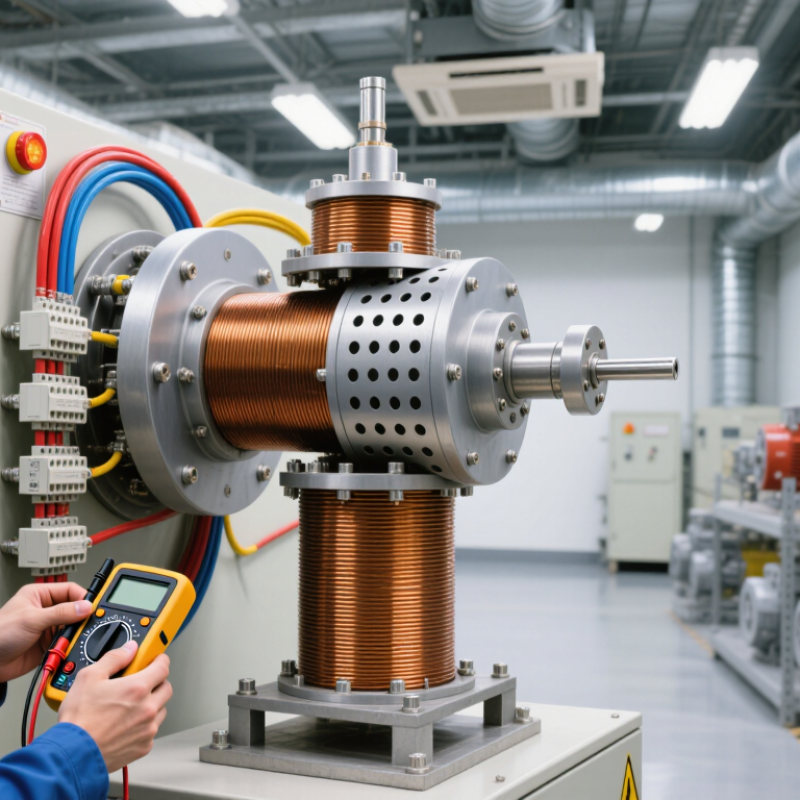
Electromagnetic Devices: Definition, Functions, and Main Categories
How to Choose an Electromagnetic Device in 2026?
An electromagnetic device uses electricity to create, control, or detect a magnetic field. Its action may move a plunger, switch a circuit, store energy, or produce rotation. Common categories include relays, contactors, solenoids, electromagnets, inductors, transformers, sensors, and motors. Each category serves a different practical need. A relay handles signal switching, while a contactor manages higher loads. A solenoid provides short mechanical movement. An inductor resists rapid current changes and supports filtering.
Selection should begin with the working task, not the product name. Check rated voltage, current, force, stroke, response time, and duty cycle. Continuous operation can overheat a device designed for brief pulses. Measure coil resistance during testing, because real temperatures may differ from catalogue figures. Review insulation, enclosure protection, vibration tolerance, and operating temperature. These details matter in factory panels, vehicles, laboratory equipment, and outdoor systems.
Efficiency and control compatibility deserve closer attention in 2026. A device may need low standby power, fast diagnostics, or communication with a digital controller. Confirm switching noise, electromagnetic compatibility, maintenance access, and documented safety testing. A neat datasheet can still hide installation problems. Poor grounding, long cables, or incorrect suppression can cause false signals. No choice is perfect. Good engineering leaves room for testing, correction, and honest review after installation.
How to Choose an Electromagnetic Device in 2026?
Representative Operating-Frequency Bands of Electromagnetic Devices
Frequency is an important selection factor because it affects the device core material, winding design, switching losses, electromagnetic interference, and cooling requirements. Low-frequency devices are commonly used for power conversion and motion, while higher-frequency devices support wireless communication, sensing, and compact power electronics. The ranges shown are representative engineering values rather than limits for every product.
Identify the Application, Operating Conditions, and Required Performance
How to Choose an Electromagnetic Device in 2026?
Choosing an electromagnetic device in 2026 starts with the application, not the catalog. Define what it must control, move, sense, or protect. A valve actuator may need precise response, while a lifting mechanism may require steady force and repeated cycling. These are different duties. Describe the real workflow, including start frequency, load changes, and expected service life.
Operating conditions can change the decision quickly. Record voltage, current, duty cycle, ambient temperature, humidity, vibration, dust, and available space. Check whether the device works near motors, cables, or strong magnetic fields. Required performance should include force, stroke, response time, noise, heat rise, and energy use. Review measured test data rather than relying only on ideal ratings. In field work, I have seen a device meet its force target but overheat during continuous operation. That detail was easy to miss.
Tips: Test the device under realistic load. Measure temperature after several cycles. Leave tolerance for voltage variation. Confirm mounting alignment. Ask for independent test reports when possible. A simple prototype often reveals problems earlier than a polished specification. Do not ignore maintenance access. It matters. Selection may still involve compromises, especially when compact size conflicts with cooling or peak performance.
Compare Electromagnetic Device Types and Core Technical Specifications
Choosing an electromagnetic device in 2026 requires more than checking voltage and price. Solenoids suit short linear movements, such as locking pins or pushing valves. Relays handle signal switching, while contactors manage higher currents in motors and heating systems. Electromagnets provide holding force, but they usually need continuous power. Rotary actuators may fit applications requiring controlled angular movement.
Compare the core specifications under real operating conditions. Check force at the required stroke, not only the maximum force listed. A solenoid rated at 50 newtons may deliver far less near full extension. Review response time, duty cycle, coil resistance, and permitted temperature rise. Intermittent devices can overheat when used continuously. I have seen a compact coil become too hot after repeated cycles in a crowded enclosure.
Electrical compatibility also matters. Confirm rated voltage, current draw, insulation class, and switching method. Direct-current coils may require suppression to protect control electronics. For outdoor or dusty locations, examine ingress protection and connector sealing. Mechanical life, noise level, mounting direction, and return-spring force deserve equal attention. Small details cause failures.
Datasheets are useful, but application tests reveal weaknesses. Measure coil temperature after realistic cycling, then check force at the lowest supply voltage. Add tolerances for friction, misalignment, and voltage fluctuation. One imperfect assumption can distort the entire selection. When specifications conflict, prioritize safe thermal performance and dependable movement over impressive peak figures.
Evaluate Safety, Compatibility, Energy Use, and Installation Requirements
How to Choose an Electromagnetic Device in 2026?
Safety begins with the enclosure, insulation, grounding, and protection against overheating. Check the device against IEC 61000 electromagnetic compatibility requirements and its declared operating environment. A clean laboratory test does not guarantee stable performance beside motors, inverters, or radio transmitters. I have seen minor cable-routing mistakes create serious signal noise. Installation details matter more than many product sheets admit.
Compatibility also includes voltage, frequency, connectors, control protocols, and available space. Measure the cabinet before ordering. Leave room for ventilation and maintenance access. Energy use deserves equal attention. The U.S. Department of Energy reports that standby power can represent 5–10% of residential electricity consumption. Select low-loss components, automatic sleep modes, and efficient power supplies where practical. The IEA’s Electricity 2024 report also shows continuing growth in global electricity demand, making small efficiency gains increasingly valuable. Yet, efficiency ratings can hide real installation losses. That deserves a second check.
Tips: Request test reports, wiring diagrams, thermal data, and installation limits. Compare measured consumption, not only rated consumption. Keep signal cables separated from high-current conductors. Confirm grounding with a qualified technician. Document ambient temperature, humidity, and cleaning conditions. A checklist helps, but it is not perfect. Local conditions can expose weaknesses that certification never predicted. Use recognized standards, verify supplier claims, and record commissioning results for future maintenance.
Select, Install, Test, and Maintain the Most Suitable Device in 2026
In 2026, choosing an electromagnetic device requires more than comparing output ratings. Start with the application, voltage range, switching frequency, ambient temperature, and expected load. Review the device’s insulation level, protection rating, response time, and service life. Check whether its materials suit dust, moisture, vibration, or heat. Small details matter.
During a plant upgrade, I once selected a compact device that met the electrical specifications. Its terminal spacing, however, made maintenance difficult. The replacement required more cabinet space but allowed safer access and clearer inspection. Install the device according to current electrical codes and the supplier’s technical instructions. Use correctly sized conductors, secure cable routes, and suitable grounding. Leave enough clearance for cooling and testing. Record torque values, wiring paths, and configuration settings before energizing the circuit.
Testing begins with a visual inspection and continuity check. Use calibrated instruments and verify isolation before touching connections. Check coil resistance, insulation condition, switching response, and operating temperature. Test under normal load when the system permits it. Test under load. Compare readings with approved limits and keep dated records. Repeat the test after adjustment.
Maintenance should follow operating hours, not guesswork. Remove dust, inspect terminals, listen for unusual vibration, and check signs of overheating. I have learned that clean surfaces do not prove reliable performance. An overlooked loose connection can remain quiet for months. Review test trends regularly and investigate small changes early. Replace damaged parts through qualified personnel. Human judgment still matters.