How to Choose the Best 3D Printing Resin Molds for Your Needs?
The growing demand for customized products has transformed the landscape of 3d Printing Resin Molds. According to a report by MarketsandMarkets, the 3D printing market is expected to reach $34.8 billion by 2024, with resin printing specifically gaining popularity due to its precision and versatility. Choosing the right 3D printing resin molds is essential for achieving desired outcomes in various applications.
Different projects require different properties. For instance, some molds need high durability, while others prioritize flexibility or detail. It's vital to evaluate options based on these criteria. Studies show that users often encounter challenges when matching resin types to specific needs. A common mistake is overlooking factors like curing time and post-processing requirements. This not only affects the final product but also wastes resources.
Understanding the science behind 3D printing resin molds enhances decision-making. Each material has unique characteristics, and knowing which to leverage is crucial. However, many new users struggle to navigate this complexity effectively. Thus, taking the time to research and reflect on choices can yield better results in the long run.
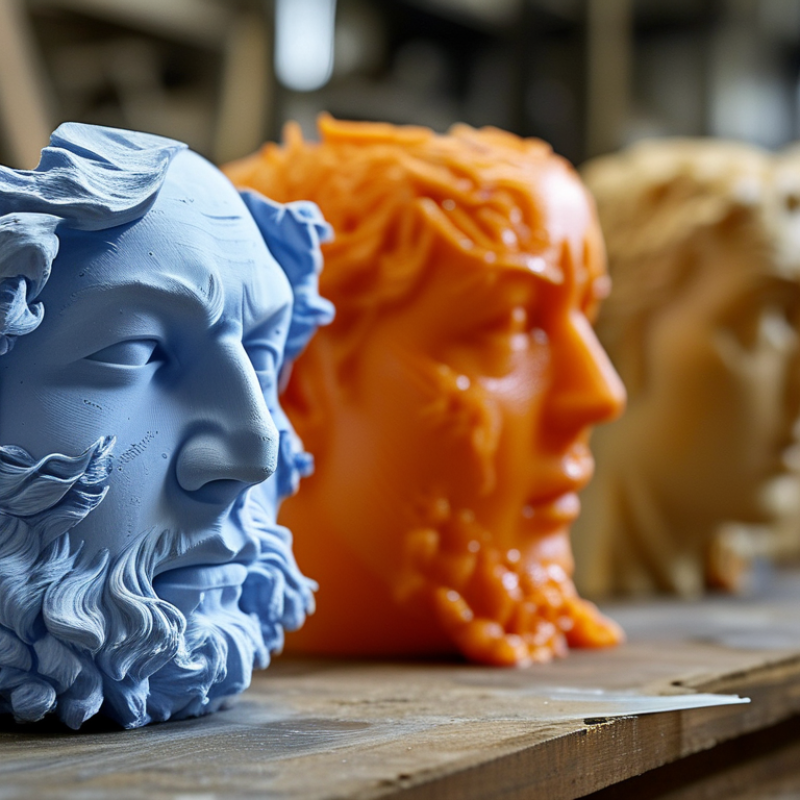
Understanding the Types of 3D Printing Resins Available
When selecting 3D printing resin molds, it is vital to understand the various types of resins available. Each type has unique properties. For example, standard resins produce smooth surfaces, ideal for detailed models. They are easy to print and post-process. However, they might lack durability for functional parts.
Some resins are designed for high strength and durability. These are perfect for industrial applications. They are more resistant to impact but might be harder to print. Flexible resins are also available. They allow for bending, making them suitable for items that require elasticity. Balancing flexibility and strength can be challenging.
There are also specialty resins for specific needs. For instance, biocompatible resins are essential in medical applications. Choosing the right resin involves understanding these characteristics and your project goals. Not all resins will meet your needs perfectly. Testing different types may lead to unexpected results, offering learning opportunities through failures and adjustments.
Types of 3D Printing Resins Available
Evaluating the Properties of Resin for Your Specific Projects
When selecting 3D printing resin molds, it's essential to evaluate resin properties carefully. Different projects demand different characteristics. For instance, some applications may require strong, durable materials, while others might focus on fine detail and precision. Understanding the desired outcome shapes your resin choice.
Transparency is crucial for those creating prototypes. Some resins produce a crystal-clear finish, allowing for intricate designs to shine through. Conversely, opaque resins may better suit industrial parts that do not require aesthetic appeal. Flexibility is also a key property; some resins can bend without breaking, beneficial for parts subjected to stress.
Consider the curing time as well. Some resins set quickly, enhancing productivity. Yet, a longer curing time can allow for detailed work and adjustments. Reflect on your workflow and project timeline. Finally, choose resins based on compatibility with your printer. Not all printers perform well with every type of resin. Test a few options to see what works best. This exploration is both challenging and rewarding.
Identifying the Right Mold Design Based on Your Needs
When selecting the right mold design for 3D printing, it's important to identify your specific needs. Consider the purpose of the mold. Are you making a prototype or final product? This choice can affect your material selection and design complexity. A simple design might work for a prototype, while a detailed mold is crucial for an end product.
Think about the type of resin you'll use as well. Some resins are more flexible, while others are rigid. This will influence the mold's durability and the type of objects you can create. Evaluate how your final product will be used. High-stress applications require stronger molds.
Don't forget to account for the printing process itself. Some designs may look great, but are impractical to print. Complex geometries could lead to failures or require extensive post-processing. Test different designs before committing to one. Learning from your mistakes can lead to better results. Remember, the best mold is not always the most complex; sometimes, simpler is better.
Assessing Compatibility with Your 3D Printer Model
Choosing the right 3D printing resin molds can significantly impact your project’s success. One key factor is compatibility with your 3D printer model. Not every resin works with every printer. Understanding your printer’s specifications is crucial. Check the manufacturer’s guidelines for compatible resin types.
Tips: Research resin properties before purchasing. Different formulations affect curing time, flexibility, and finish. Test small batches to see how they perform with your machine. Document your findings for future reference.
Moreover, consider the curing method used by your printer. Some printers use UV light, while others may rely on different techniques. Mismatched curing can lead to poor mold quality. Look for user reviews and community feedback. This can provide insights into the resin’s real-world performance.
Improve your selection process by maintaining an organized database of what works and what doesn’t. Monitor results with each new resin type. This reflection helps avoid repeated mistakes. Experimentation is often necessary. Embrace the learning curve of finding the perfect match.
How to Choose the Best 3D Printing Resin Molds for Your Needs?
| Resin Type | Compatibility with Printer Model | Curing Time (min) | Color Options | Cost per Liter ($) |
| Standard Photopolymer | Compatible with LCD printers | 30 | Clear, Gray, Black | 50 |
| Flexible Resin | Compatible with DLP printers | 20 | Translucent Blue, Green | 75 |
| High-Detail Resin | Compatible with SLA printers | 15 | White, Gray | 90 |
| Casting Resin | Compatible with various printer models | 40 | Clear, Yellow | 100 |
Considering Safety and Handling Guidelines for Resin Use
When working with 3D printing resin, safety should be a top priority. Resin can be hazardous if not handled properly. Always wear gloves and protective eyewear. The fumes from resin can be harmful, so use it in well-ventilated areas. Consider installing an air purifier to reduce exposure.
Tips: Store resin in a cool, dark place. An opaque container is best. Label your materials clearly. This helps avoid mixing different types and ensures proper handling.
Check for Material Safety Data Sheets (MSDS) before use. These documents provide essential safety information. They detail the risks and how to mitigate them. Keep them accessible at your workspace.
Each type of resin may have different properties. Not all resins are suitable for every project. Some may be more brittle, while others might be flexible. Take time to experiment and notice the differences. This will inform your choices in future projects. Understanding these nuances can enhance your creation process.