How to Choose the Best Dynamic Gas Distribution Instrument?
Choosing the best Dynamic Gas Distribution Instrument is crucial for many industries. Gas distribution impacts efficiency and safety. The right instrument ensures accurate measurements and reliable data collection.
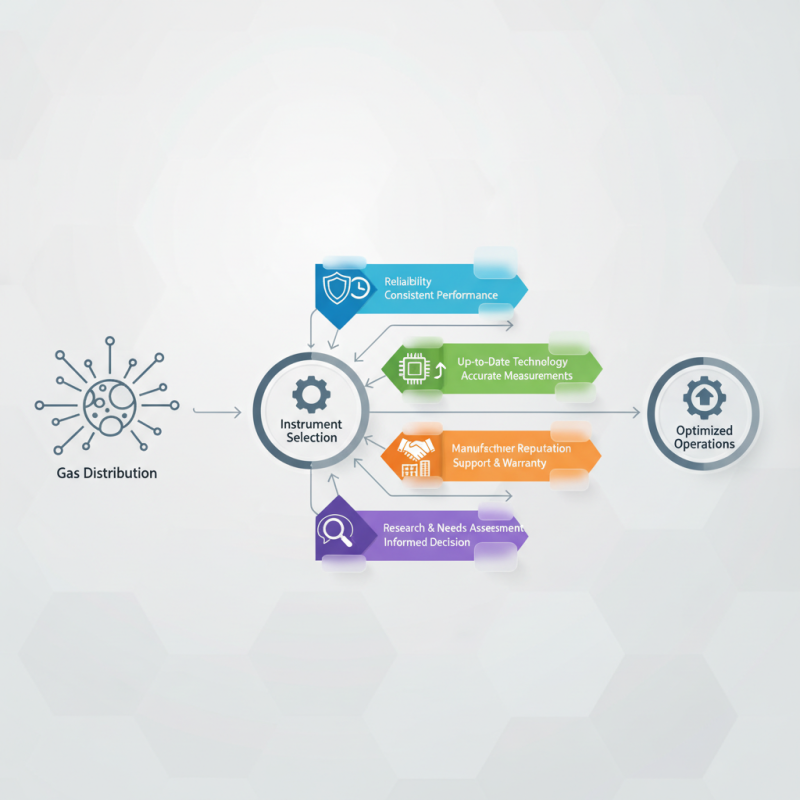
Selecting a Dynamic Gas Distribution Instrument involves several key factors. Reliability stands out among them. You need instruments that perform consistently under various conditions. The technology used must also be up-to-date. Outdated instruments may lead to inaccuracies.
Additionally, consider the manufacturer's reputation. An established company often offers better support and warranties. Look for reviews and expert recommendations. Remember, the choice you make today can affect your operations tomorrow. Take the time to reflect on your needs before deciding.
Understanding Dynamic Gas Distribution Instruments
Dynamic gas distribution instruments play a crucial role in various industries. These instruments measure and control gas flow in real-time. The accuracy and reliability of these measurements are essential for safety and efficiency. Users must understand key features when selecting the best instrument for their needs.
One vital aspect is the sensor technology used in these instruments. Certain sensors offer better responsiveness to changes in gas conditions. Calibration frequency is another consideration. Instruments that require frequent calibration can lead to downtime and added costs. Knowing the operational environment is also important, as extreme conditions can affect performance.
Moreover, it’s essential to evaluate the user interface. A complex interface may hinder operational efficiency, especially for staff training. Maintenance requirements can vary greatly among different models. Regular upkeep is necessary to ensure long-term reliability. Therefore, understanding these factors will lead to better decision-making when choosing a dynamic gas distribution instrument.
Key Features to Look for in Dynamic Gas Distribution Instruments
When selecting a dynamic gas distribution instrument, focus on critical features that ensure reliability and accuracy. A well-designed instrument should offer precise measurements of gas concentration and distribution in various environments. Look for equipment that provides real-time data, aiding in immediate decision-making. Durability is another vital aspect; it should withstand harsh conditions often encountered in industrial settings.
Calibration capabilities are crucial. Instruments must allow for periodic calibration to maintain accuracy over time. Consider ease of use, too. Complex interfaces can complicate operations, leading to potential errors. A user-friendly design encourages correct readings and minimizes training requirements for staff.
Incorporating advanced technologies, such as real-time analytics and wireless connectivity, enhances functionality. However, be cautious; not all new features contribute to better performance. Evaluate whether the addition is beneficial or just a marketing strategy. A meticulous approach will lead to informed choices, maximizing operational efficiency in gas distribution analysis.
Dynamic Gas Distribution Instrument Key Features Comparison
This chart compares the key features of dynamic gas distribution instruments based on their rating out of 10. The features include Accuracy, Response Time, Sensitivity, Stability, and Ease of Use. Each feature is essential for selecting the best instrument for specific applications.
Evaluating Accuracy and Reliability in Gas Distribution Measurements
Evaluating accuracy is crucial in choosing a dynamic gas distribution instrument. The precision of measurements can significantly impact operational efficiency and safety. According to a report from the American Society of Mechanical Engineers, the accuracy of gas measurement instruments is within ±2% under optimal conditions. However, often, real-world conditions introduce variability that can skew results, leading to potential hazards.
Reliability is another key factor. Industry data suggests that up to 30% of gas measurement errors are due to instrument malfunction. Regular calibration and maintenance can mitigate this risk. A study by the National Institute of Standards and Technology highlighted that instruments calibrated annually maintain a consistent accuracy rate, while less frequent checks can lead to a decline in reliability.
In practice, some users overlook the importance of choosing instruments suited for specific gas types. For instance, corrosive gases require materials that can withstand chemical reactions. This often leads to user frustration when instruments fail to provide accurate data. A comprehensive understanding of both the measurement environment and the gas properties is essential for making informed decisions. Ensuring that the selected instrument aligns with these parameters can vastly enhance measurement reliability.
Comparing Different Types of Dynamic Gas Distribution Instruments
When choosing a dynamic gas distribution instrument, understanding the different types available is crucial. Dynamic gas distribution instruments can vary widely in design and function. Some models utilize mass flow technology, while others may employ pressure differential methods. These distinctions affect accuracy and response time. For example, mass flow instruments often provide better precision in low-flow applications. In contrast, pressure differential instruments excel in high-flow scenarios.
Consider the application environment as well. Instruments designed for extreme temperatures may require special materials to ensure durability. Additionally, the ease of calibration is essential. Some may offer automated systems, while others might need manual adjustments. Reflect on your team's expertise, too. If staff members are comfortable with advanced technology, opt for more complex models. If not, straightforward designs with easy-to-follow manuals could be more beneficial.
Lastly, assess the reliability of the instrument. Look for third-party testing or certifications. These can provide insights into the instrument's long-term performance. However, remember that all instruments may have limitations. No single model meets every need perfectly. Continuous evaluation and feedback from users can guide future purchases. This introspective approach leads to better decision-making in selecting the right dynamic gas distribution instrument for your needs.
Best Practices for Selecting and Utilizing Gas Distribution Tools
Selecting the right gas distribution tools is essential for precision and safety. Begin by understanding your specific needs. Different applications require different instruments. Take time to assess whether you need portable analyzers or fixed systems. Each type offers distinct advantages. Consider factors like sensitivity, range, and response time based on your task.
Utilizing gas distribution tools effectively involves regular maintenance and calibration. Even the best instruments can provide inaccurate data if not properly maintained. Routine checks enhance reliability. Document your findings and adjustments to track performance over time. Engage with professionals or forums for insights. Learning from others’ experiences can prevent costly mistakes.
It's crucial to stay updated on the latest advancements in gas distribution technologies. New features can enhance operational efficiency. However, stay aware of the learning curve associated with new tools. Training sessions are invaluable. They boost confidence in using advanced features. Your goal is to ensure safety and accuracy in every measurement.
How to Choose the Best Dynamic Gas Distribution Instrument?
| Criteria | Description | Importance Level | Recommended Features |
| Accuracy | The ability to provide precise measurements for gas distribution. | High | Calibration features, RMS (Root Mean Square) accuracy. |
| Durability | Resistance to harsh environmental conditions. | Medium | Robust casing, IP ratings for water and dust resistance. |
| Ease of Use | User-friendly interface and uncomplicated operation. | High | Intuitive controls, large display screen. |
| Portability | Convenient for transportation and field use. | Medium | Lightweight design, battery operation. |
| Data Logging Capabilities | Ability to record measurements over time for analysis. | High | Built-in memory, connectivity options for data transfer. |