How to Choose the Best Robotics Software for Your Projects
In the rapidly evolving field of robotics, selecting the right software can significantly influence the success of your projects. As industry expert Dr. Elena Martinez, a leading figure in robotics software development, once stated, "The right robotics software not only enables innovation but also enhances the efficiency of robotic systems." This highlights the critical role that software plays in maximizing the potential of robotic applications, whether in automation, research, or other domains.
When faced with an array of robotics software options, it is essential to consider various factors such as compatibility, user-friendliness, and the specific requirements of your projects. The decision-making process should also take into account the scalability of the software, as future developments and expansions often necessitate robust and adaptable tools. Engaging with industry forums and reviewing case studies can provide invaluable insights for making informed choices that align with your objectives.
Ultimately, selecting the best robotics software is not merely a technical decision but a strategic one that could shape the outcome of your initiatives. By thoroughly evaluating your needs and understanding the strengths and weaknesses of different options, you can make a decision that catalyzes progress and innovation in your robotic endeavors.

Overview of Key Factors in Selecting Robotics Software
When selecting robotics software for your projects, several key factors must be considered to ensure that you choose the best option tailored to your specific needs. First, evaluate the software's compatibility with your existing hardware and platforms. It's essential to select software that can seamlessly integrate with the sensors, actuators, and control systems you are using. Additionally, consider the software's support for various programming languages and development environments, as this will directly impact your team’s ability to work efficiently.
Another critical factor is the software’s capabilities and features. Look for tools that offer robust libraries, simulation environments, and user-friendly interfaces. Features like real-time data processing, machine learning integration, and advanced algorithms can significantly enhance your project's performance and efficiency. Lastly, assess the community and support available for the software. A strong community can provide invaluable resources, tutorials, and troubleshooting assistance, which can be beneficial for both novice and experienced developers. Ensuring that these factors align with your project goals is crucial for achieving success in your robotics endeavors.
How to Choose the Best Robotics Software for Your Projects
| Criteria |
Description |
Importance Level |
| User-Friendly Interface |
The software should have an intuitive interface for easy navigation and learning. |
High |
| Compatibility |
Check if the software supports your hardware and other tools. |
High |
| Community Support |
A large community can provide resources, forums, and troubleshooting help. |
Medium |
| Features |
Evaluate the core features and tools the software offers for your specific needs. |
High |
| Cost |
Consider if the pricing aligns with your budget and project scope. |
Medium |
| Updates and Maintenance |
Regular updates indicate ongoing support and improvement of the software. |
High |
| Documentation |
Good documentation helps in understanding and utilizing the software effectively. |
High |
Comparison of Popular Robotics Software Options in 2023
In 2023, the selection of robotics software is more critical than ever as various industries adopt AI technologies to enhance efficiency. According to a recent McKinsey report, 13.5% of enterprises in the EU with 10 or more employees are now utilizing AI tools, signifying a growing trend in technology integration. This highlights the increasing demand for software tailored to robotics, which must keep pace with advancements in machine learning and automation.
When comparing popular robotics software options, factors such as user-friendliness, integration capabilities, and support for various programming languages should be considered. Robust solutions that can automate acceptance testing, like those emerging from recent improvements in automated testing techniques, are becoming essential for ensuring high reliability in industrial applications. With deep reinforcement learning making strides in training agile robotic systems, selecting appropriate software can drastically affect project outcomes. Therefore, a thorough evaluation of current options based on performance metrics will guide developers in making informed decisions for their robotics projects.
Comparison of Popular Robotics Software in 2023
Evaluating Software Compatibility with Robotics Hardware
When selecting robotics software for your projects, one of the primary considerations is its compatibility with your existing hardware. Robotics systems often comprise various components, such as sensors, actuators, and controllers, which must work seamlessly together for optimal performance. Therefore, it’s crucial to examine the software’s ability to interface with these hardware elements. Look for software that supports commonly used communication protocols and standards to ensure smooth integration and minimal troubleshooting.
Additionally, consider the flexibility and scalability of the software in relation to your hardware. If your project involves upgrading or adding new components in the future, the software should accommodate these changes without requiring extensive modifications.
Evaluate the documentation and community support associated with the software, as this can provide valuable insights into how well it adapts to different hardware configurations. A robust software solution will not only streamline your current project but also enhance the adaptability of your robotics system as technology evolves.
Cost Analysis: Budgeting for Robotics Software Solutions
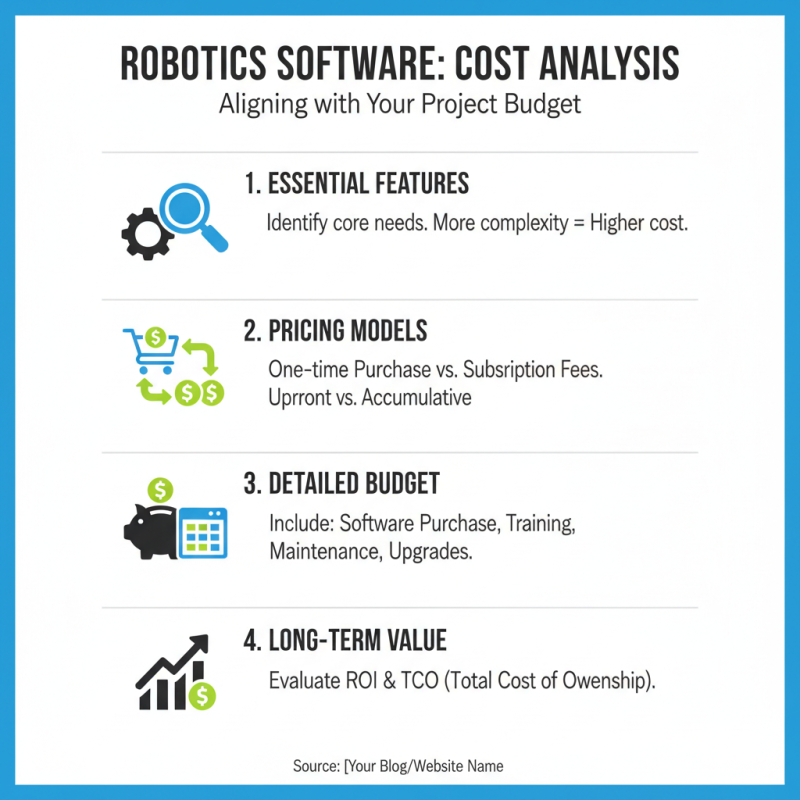
When choosing robotics software, cost analysis is crucial to ensure alignment with your project's budget. Begin by identifying the essential features you need, as more complex software often comes with higher costs. Assess both one-time purchase prices and subscription models; sometimes, the upfront costs may seem lower, but recurring subscription fees can accumulate over time, impacting your financial planning. Create a detailed budget that encompasses not only the software purchase but also related expenses like training, maintenance, and potential upgrades.
Additionally, consider the scalability of the software. Some solutions may fit within your initial budget but might not support future growth or additional functionalities, leading to further costs down the line. In contrast, investing slightly more in a versatile, expandable software solution can yield long-term savings by reducing the need for replacement or extensive modifications. Look for software that offers a trial period or flexible pricing structures to evaluate its fit for your projects without committing significant resources upfront.
User Experience and Support: Importance of Community and Resources
When choosing robotics software for your projects, user experience and support play a crucial role in determining the success of your implementation. According to a recent survey by Robotics Business Review, 65% of users prioritize software with intuitive interfaces and robust documentation, as these factors significantly enhance productivity and ease of integration. A well-designed user experience not only minimizes the learning curve but also promotes greater innovation among team members, allowing them to focus on developing advanced robotic applications rather than grappling with software complexities.
Community engagement and support resources are equally significant. A study published in the Journal of Robotics Research found that projects leveraging community-driven resources reported a 30% faster problem resolution time compared to those relying solely on vendor support. This highlights the value of forums, online tutorials, and active user groups, which provide both troubleshooting assistance and a platform for sharing best practices. Additionally, comprehensive support networks can often result in cost savings, as the collaborative effort aids in addressing common software issues efficiently. Thus, when selecting robotics software, considering the surrounding community and available resources is just as essential as evaluating the software's features.