Top Tips for Choosing the Right Double Hose Clamp?
Choosing the right Double Hose Clamp is crucial for ensuring a secure and leak-free connection in various applications. With so many options available, it can be overwhelming to make the right choice. A double hose clamp provides better grip and support than its single counterpart. It is essential for high-pressure environments, like automotive and industrial settings.
When selecting a double hose clamp, consider the material and size. Metal clamps are durable and resistant to corrosion. Plastic options are lighter and more flexible, but may not handle high pressure well. Always measure the hose diameter accurately; even a slight mismatch can lead to leaks.
It’s also important to reflect on your specific needs. A clamp that works perfectly in one scenario may not be ideal in another. Research and read reviews about different brands. Reliable products often come from established manufacturers. Taking the time to choose wisely will save you hassle in the long run.
Understanding the Purpose of Double Hose Clamps
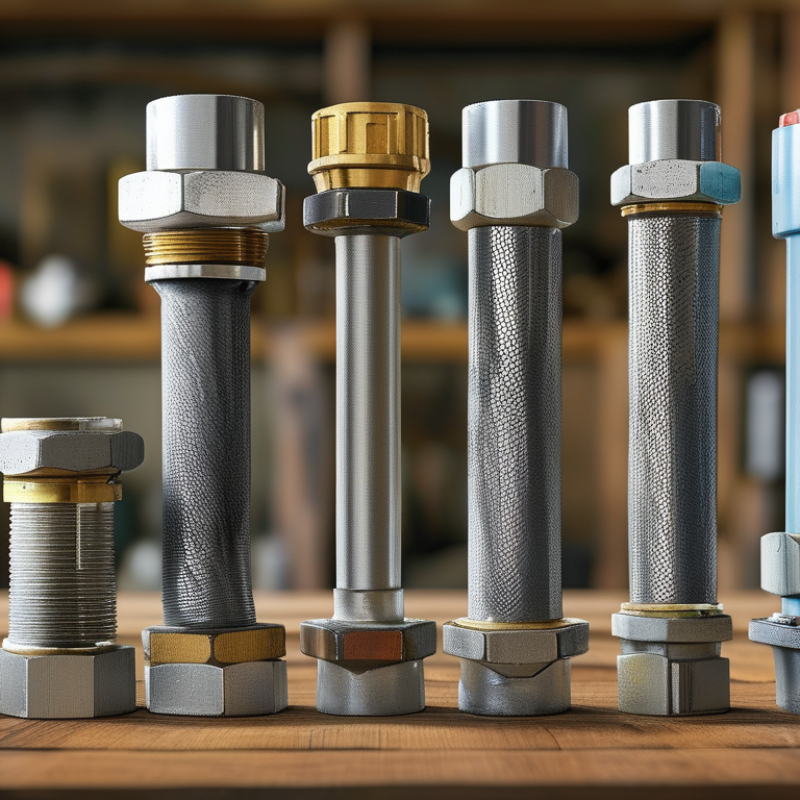
Double hose clamps serve a critical purpose in various applications. They create a secure connection between hoses and other components. These clamps ensure that fluid does not leak, maintaining system integrity. When selecting double hose clamps, it is essential to understand their functionality.
The design of a double hose clamp allows it to hold two hoses simultaneously. This feature is beneficial in plumbing and automotive systems. The right clamp offers durability and resistance to corrosion. It can handle high pressures without risking failure. Inspecting the materials used is crucial. Steel, stainless steel, and plastic are common options. Each material has its advantages and disadvantages.
Choosing the correct size is equally important. A well-fitted clamp prevents slippage and minimizes leaks. Over-tightening can damage hoses, while loose clamps may fail. It is wise to measure both hose diameter and the clamp's width. Visual inspection helps identify potential flaws in the installation. A secure connection might need some adjustments over time. It is essential to monitor the performance regularly to ensure reliability.
Material Options for Double Hose Clamps: Pros and Cons
When selecting the right double hose clamp, material choice is critical. Common options include stainless steel, plastic, and aluminum. Each has distinct advantages and drawbacks.
Stainless steel is known for durability and resistance to corrosion. Its strength makes it ideal for high-pressure applications. However, it can be more expensive. In fact, a report from the Hose Clamp Association states that stainless steel clamps increase lifespan by up to 50% in harsh environments.
Plastic clamps are lighter and more affordable. They resist rust and are suitable for less demanding applications. A key downside is their lower tensile strength, which can lead to failures under stress. Aluminum provides a middle ground with a good strength-to-weight ratio. Yet, it's prone to corrosion and might not be suitable for all environments.
When choosing the right material, consider the application environment. Think about the pressure levels, temperature ranges, and exposure to chemicals. Do not underestimate the importance of proper sizing. A clamp that’s too loose or tight can lead to leaks and failures.
Proper selection involves balancing these factors. Always check manufacturer specifications and industry reports to inform your choices. It's crucial to understand that the wrong clamp can lead to costly repairs down the road.
Key Features to Look for in Double Hose Clamps
When selecting a double hose clamp, consider crucial features that enhance reliability. One key factor is material. Stainless steel clamps resist corrosion, making them ideal for various environments. They offer strength and durability, which is essential for maintaining secure fits. However, cheap alternatives might not provide the same longevity. Evaluate quality against cost when making a choice.
Another vital aspect is the clamp's design. Look for clamps that provide even pressure distribution. This prevents damage to hoses and ensures a tight seal. Adjustable clamps can accommodate different sizes, giving flexibility for various applications. Some designs may look appealing but sacrifice functionality. It’s important to prioritize performance over aesthetics.
Consider the installation process. Some clamps are easier to install than others. Look for those with user-friendly features, especially if you are a novice. Complicated installations can lead to mistakes. Regularly review your installed clamps. Check for signs of wear or damage. Remember, a reliable connection is key for safety and efficiency in any setup.
Sizing Essentials for Double Hose Clamps
Choosing the right size for double hose clamps is crucial. A clamp that is too tight can damage the hose, while one that is too loose may not provide an adequate seal. Understanding the diameter of the hoses you’ll be using is the first step. Grab a caliper or a simple measuring tape to ensure accuracy. Many people overlook this detail, leading to frustrating leaks later.
Next, consider the material of both the clamp and the hose. Different materials can expand or contract differently under temperature changes. For instance, a rubber hose may require a more flexible clamp to accommodate these shifts. If you're unsure about compatibility, take time to consult experts or reference guides. It’s important to get it right to avoid costly repairs.
Lastly, confirm the clamp type. The market offers several choices, from screw clamps to spring clamps. Each type has unique benefits and service limitations. Reflecting on past experiences can guide your decision, but remember, no solution is perfect. Sampling a few options in practice can help you find what works best for your specific needs.
Common Applications and Uses of Double Hose Clamps
Double hose clamps are widely used in various industries due to their versatility and reliability. These clamps securely hold hoses in place, preventing leaks and ensuring efficient fluid transfer. They are commonly used in automotive applications, particularly for cooling systems, fuel lines, and air intake systems. According to industry reports, the automotive sector accounts for approximately 40% of double hose clamp usage.
In plumbing, double hose clamps are used to connect hoses in residential and commercial applications. Their robust design prevents hose detachment, which can lead to costly water damage. Data indicates that improper hose connections contribute to 30% of plumbing issues, underscoring the importance of proper clamp selection and installation.
Manufacturing and food processing also utilize double hose clamps to maintain hygiene standards. In the food industry, these clamps are essential for connecting hoses safely, minimizing contamination risks. Evidence suggests that equipment failure due to improper hose connections can result in significant operational downtime, which companies can't afford. Choosing the right clamp can prevent these costly mistakes. However, many still overlook proper installation techniques, leading to unreliable connections.
Top Tips for Choosing the Right Double Hose Clamp
This chart illustrates the common applications and uses of double hose clamps in various industries. The data reflects the percentage of usage in each application area.