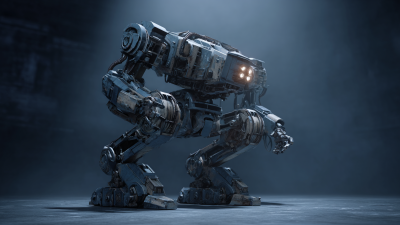
Exploring the Future: Top Robotic Systems to Watch in 2025
As we move closer to 2025, the landscape of robotic systems is undergoing a transformative shift, impacting various industries ranging from manufacturing to healthcare. According to a report by the International Federation of Robotics, the global market for robotic systems is projected to reach $200 billion by 2025, driven by advancements in artificial intelligence and machine learning. This explosive growth not only underscores the importance of robotic systems in enhancing productivity and efficiency but also highlights their potential to address labor shortages and augment human capabilities.
In this era of rapid technological evolution, certain robotic systems are poised to take center stage. The emergence of collaborative robots, or cobots, is particularly noteworthy; these systems are designed to work alongside humans, ensuring safety and ease of integration into existing workflows. Additionally, advancements in autonomous mobile robots (AMRs) and aerial drones are set to redefine logistics and delivery services, as highlighted in a recent analysis by Gartner, which projects that 1.4 million AMRs will be deployed globally by 2025.
As we explore the future of robotic systems, it is essential to identify the top innovations that will shape industries and improve lives in the coming years. With significant investments and research dedicated to robotic technologies, 2025 will undoubtedly mark a pivotal moment in the evolution of automation and robotics, heralding solutions that we are only beginning to imagine.

Revolutionizing Manufacturing: The Rise of Collaborative Robots (Cobots) by 2025
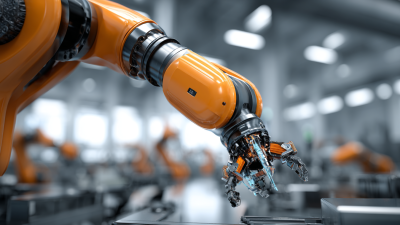
As we approach 2025, the landscape of manufacturing is set to be transformed by the rise of collaborative robots, or cobots. Unlike traditional industrial robots that operate in isolation, cobots are designed to work alongside human workers, enhancing productivity while ensuring safety. Their adaptability and intuitive design allow them to be easily programmed for various tasks, making them invaluable assets in dynamic manufacturing environments.
The integration of cobots not only streamlines operations but also fosters a more inclusive workplace. They enable human workers to focus on more complex, creative tasks by taking on repetitive and strenuous activities. This collaboration not only boosts efficiency but also enhances job satisfaction among employees, as they can engage in higher-value work. As industries increasingly embrace automation, cobots are poised to revolutionize the way we think about labor relations and productivity in the manufacturing sector, ultimately leading to a more innovative and sustainable future.
Exploring the Future: Top Robotic Systems to Watch in 2025 - Revolutionizing Manufacturing: The Rise of Collaborative Robots (Cobots) by 2025
| Feature |
Description |
Expected Impact |
Adoption Rate (%) by 2025 |
| Human-Robot Collaboration |
Systems designed to work alongside humans, enhancing productivity and safety. |
Increase in operational efficiency and reduction in workplace accidents. |
65 |
| Intelligent Automation |
Robots equipped with AI for decision-making tasks, improving process reliability. |
Enhanced production quality and reduced downtime. |
70 |
| Flexible Robotics |
Robots that can adapt to different tasks without extensive reprogramming. |
Ability to respond to market changes and custom orders efficiently. |
60 |
| User-Friendly Interfaces |
Simplified controls for non-experts, facilitating broader usage in manufacturing. |
Wider adoption across industries fostering innovation. |
75 |
| Safety Integration |
Advanced safety features ensuring secure human-robot interactions. |
Improved worker confidence and lower risk of injury. |
80 |
Healthcare Automation: Robotic Surgery Systems Transforming Patient Outcomes
In the realm of healthcare automation, robotic surgery systems are poised to revolutionize patient outcomes in the coming years. According to a report by MarketsandMarkets, the global surgical robots market is projected to grow from $4.2 billion in 2022 to $11.4 billion by 2027, reflecting a compound annual growth rate (CAGR) of 22.5%. These advanced systems offer enhanced precision and control during surgical procedures, leading to reduced recovery times, minimized risks of complications, and improved overall patient experiences.

With innovations such as AI-assisted robotics and enhanced imaging technology, hospitals are increasingly adopting these solutions. For instance, the da Vinci Surgical System, one of the most widely used robotic surgical platforms, has been credited with performing over 8 million procedures worldwide. Furthermore, a study published in "The Annals of Surgery" demonstrated that patients who underwent robotic-assisted surgeries experienced significantly lower blood loss and shorter hospital stays compared to traditional methods. As we look toward 2025, the integration of robotic systems in healthcare is not just a trend but a fundamental shift that could redefine surgery and its outcomes for patients globally.
Autonomous Vehicles: Projected Growth and Key Innovations in Robotic Transportation
As we look towards 2025, the advancements in autonomous vehicles signal a transformative shift in transportation. The projected growth of this sector is fueled by cutting-edge innovations in artificial intelligence, sensor technology, and machine learning algorithms. Companies are investing heavily in research and development to enhance the safety and efficiency of self-driving cars, addressing concerns around reliability and public acceptance.
To maximize the benefits of these innovations, here are a few tips: First, stay informed about local regulations regarding autonomous vehicles, as these laws will shape the deployment of the technology in your area. Second, consider how autonomous vehicles can be integrated into your daily commute or business operations, as this could lead to significant cost savings and increased productivity. Lastly, engage with community discussions about the ethical implications of autonomous technology, helping to foster a balanced perspective as these innovations continue to evolve.
As the infrastructure adapts, we can anticipate a synergistic relationship between urban planning and robotic transportation solutions, ultimately leading to smarter cities. Embracing these changes will be crucial for individuals and organizations alike, ensuring that they remain at the forefront of this transportation revolution.
Projected Growth of Autonomous Vehicle Market (2025)
Smart Agriculture: The Role of Drones and Robotics in Sustainable Farming Practices
The future of smart agriculture is increasingly reliant on advanced robotic systems and drones, which play a crucial role in promoting sustainable farming practices. By 2025, the global smart agriculture market is projected to reach $110.8 billion, with an impressive compound annual growth rate (CAGR) of 9.5% expected to drive it to $274.5 billion by 2035. This growth is enabled by innovations in vertical farming technologies, incorporating complex systems such as precise irrigation, climate control, and smart sensor networks, which optimize resource use and enhance crop yields.
Recent advancements, including the introduction of autonomous robots like four-legged models designed specifically for agricultural tasks, demonstrate how robotics is revolutionizing crop management. For instance, the winter jujube picking robot, employed in Shaanxi, marks a significant development in automating labor-intensive farming solutions. Moreover, the agricultural drone market, projected to grow significantly, emphasizes the demand for advanced aerial technologies capable of precise farming operations, including efficient sprayer systems. Continuous innovations in this sector underscore the trajectory towards more intelligent and efficient agricultural production systems, fostering a sustainable future for farming.

AI-Powered Robots: Enhancing Efficiency through Machine Learning and Data Analytics in 2025
As we look toward 2025, AI-powered robots are set to revolutionize various sectors, enhancing efficiency through advanced machine learning and data analytics. The artificial intelligence robots market is projected to grow significantly, from $6.19 billion in 2025 to an impressive $32.26 billion by 2032, as stated in recent industry reports. This remarkable growth underscores the increasing reliance on these technologies across industries such as manufacturing, healthcare, and logistics, where they are utilized for tasks ranging from predictive maintenance to automated patient care.
In 2025, we will witness a surge in the deployment of intelligent robotic systems capable of analyzing vast amounts of data and improving their operations in real time. These robots leverage machine learning algorithms to optimize processes and reduce downtime, thus driving operational efficiencies. Notably, emerging startups are at the forefront, developing innovative tools that facilitate seamless integration of AI technologies into existing workflows. Companies that strategically adopt these cutting-edge solutions stand to gain measurable benefits, empowering them to maintain a competitive edge in an ever-evolving marketplace.