How to Harness Robot Technology for Everyday Life and Enhance Productivity
In recent years, the integration of robot technology into everyday life has transformed various sectors, enhancing productivity and efficiency. According to a report by the International Federation of Robotics, the global market for robot technology is expected to reach $165 billion by 2025, underscoring the escalating impact of automation in various industries. This surge highlights a growing recognition among businesses of the potential for robotics to streamline operations, reduce costs, and ultimately drive innovation.
As industry expert Dr. James McCarthy, a leading researcher in robot technology, stated, "The future of work is not just about human labor; it’s about how we can effectively collaborate with robots to unlock unprecedented levels of productivity." This collaboration is already evident in sectors ranging from manufacturing and agriculture to healthcare and logistics, where robots assist in repetitive tasks, allowing human workers to focus on more complex and creative responsibilities.
In harnessing robot technology, individuals and organizations alike can expect not only a boost in productivity but also a significant improvement in the quality of work life. As we explore the myriad ways robot technology can be integrated into our daily routines, it becomes increasingly clear that the future is bright for those willing to embrace this technological evolution.
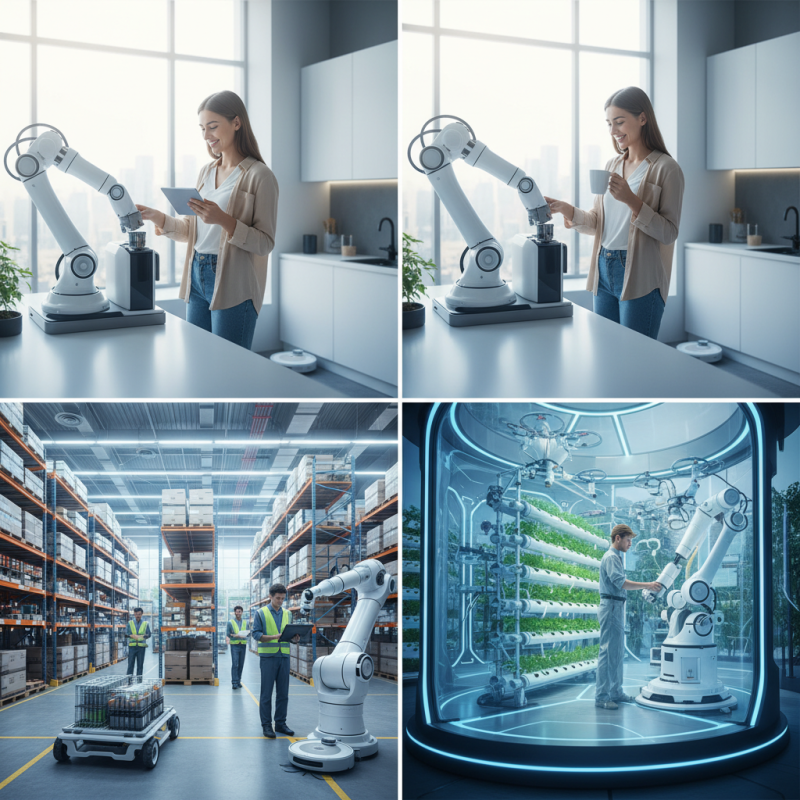
Understanding Robot Technology and Its Applications in Daily Life
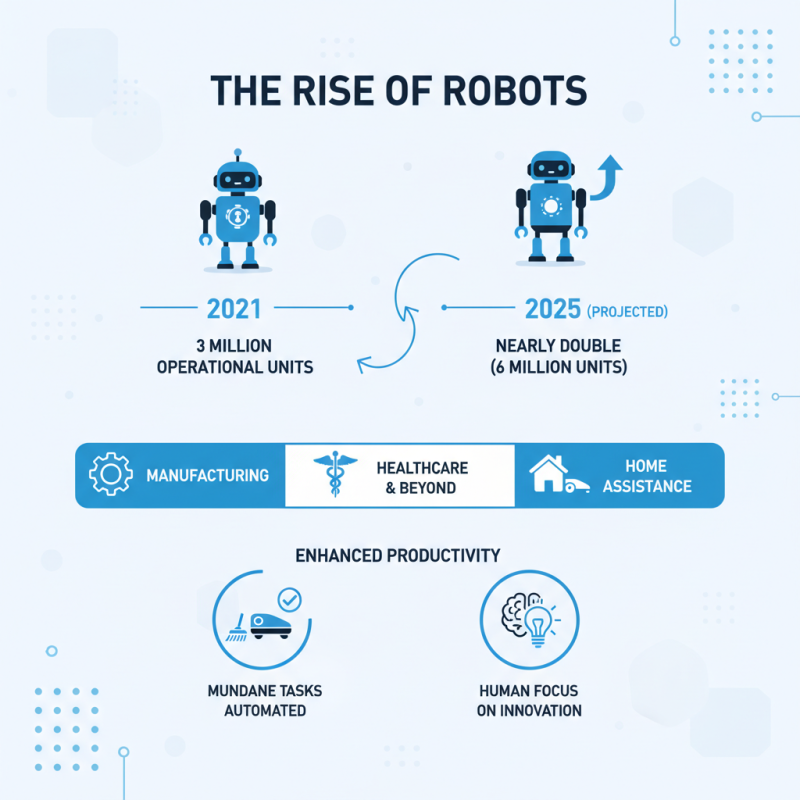
Robot technology is rapidly evolving, making profound impacts on our daily lives and productivity. The International Federation of Robotics reports that the global stock of operational robots reached 3 million units by 2021, and this number is expected to nearly double by 2025. This widespread adoption of robots transcends traditional manufacturing contexts, extending into areas such as healthcare, education, and even home assistance. For instance, robotic vacuum cleaners and lawn mowers are becoming increasingly popular, showing how automation can relieve individuals of mundane tasks, thereby enhancing their productivity.
Moreover, the application of robots in healthcare illustrates impressive advancements. According to a report from the Medical Robotics Market, the sector is expected to grow substantially, reaching an estimated $20 billion by 2026. Robots are now used for surgeries, patient monitoring, and rehabilitation, which not only increase accuracy and efficiency but also allow healthcare professionals to focus more on patient care rather than time-consuming procedures. As robot technology continues to integrate into our daily routines, the potential for improving productivity and enhancing the quality of life becomes increasingly attainable.
Identifying Everyday Tasks That Can Be Enhanced by Robotics
In our fast-paced lives, leveraging robotics technology can significantly enhance productivity by automating mundane tasks. Everyday activities, such as cleaning, grocery shopping, and managing appointments, can benefit from robotic solutions. For instance, robotic vacuum cleaners can take the monotony out of floor maintenance, allowing individuals to focus on more enriching tasks.
Similarly, inventory management robots can streamline grocery shopping by helping users keep track of pantry supplies and even suggesting recipes based on available ingredients.
Tip 1: Streamline your household chores by investing in a robotic vacuum or mop. This will free up time for you to engage in hobbies or spend time with family while ensuring that your living space remains clean and comfortable.
In addition to household chores, robotics can enhance our work environments. Task management bots can assist with scheduling meetings and reminders, automating tedious organizational tasks. This allows professionals to dedicate more time to creative and strategic thinking, fostering innovation and productivity.
Tip 2: Explore digital assistant tools that integrate with your calendar and task management apps to help prioritize and organize your daily activities more efficiently. The right tools can make all the difference in managing time effectively.
Evaluating Different Types of Robots for Home and Office Use
When evaluating different types of robots for home and office use, it’s essential to consider the specific tasks they can perform and how they fit into daily routines. For instance, household robots like vacuum cleaners and lawn mowers focus on automating mundane chores. These robots save considerable time and effort, allowing individuals to focus on more complex tasks or leisure activities. Their ease of use and ability to operate autonomously make them excellent additions to modern homes.
In office environments, robots such as collaborative robots (cobots) and robotic process automation (RPA) software enhance productivity by assisting with repetitive tasks. Cobots can work alongside human staff to manage logistical tasks, assist in assembly lines, or even engage in customer service roles. On the other hand, RPA can streamline data entry and analysis, reducing the risk of human error. By evaluating the specific needs and workflows of a home or office, one can implement the most suitable robotic solutions to maximize efficiency and improve overall quality of life.
Implementing Robot-Assisted Solutions to Boost Productivity
Implementing robot-assisted solutions in various environments can significantly enhance productivity by streamlining tasks and reducing the workload on individuals. For instance, in manufacturing settings, robots can perform repetitive tasks with high precision, allowing human workers to focus on more complex and creative aspects of the production process. This shift not only improves efficiency but also helps in minimizing errors, ensuring higher quality products, and ultimately leading to faster turnaround times.
In office environments, robot technology can assist with data management, scheduling, and customer service through chatbots. By automating routine inquiries and organizing information, employees can allocate their time towards strategic planning and innovative projects. Additionally, integrating robotic process automation can help in handling administrative tasks, such as invoicing and payroll, allowing staff to spend more time on value-generating activities. Embracing these robot-assisted solutions leads to an overall increase in workplace efficiency and fosters a culture of productivity and innovation.
Enhancing Productivity with Robot Technology
This chart illustrates the impact of robot technology on productivity. It shows the number of tasks completed per week before and after implementing robot-assisted solutions, highlighting a significant improvement in productivity with the use of robotic technology.
Measuring the Impact of Robots on Work Efficiency and Lifestyle Quality
The integration of robots into everyday life has revolutionized the way we approach tasks, significantly impacting both work efficiency and lifestyle quality. In professional environments, robots can automate routine processes such as data entry, inventory management, and customer service, reducing the burden on human workers. This not only streamlines operations but also allows employees to focus on more strategic objectives, fostering creativity and innovation. Consequently, businesses employing robotic technology report increased productivity levels, leading to better performance and higher profitability.
On a personal level, robots enhance lifestyle quality by taking on mundane chores, enabling individuals to reclaim their time for more meaningful activities. Household robots, such as vacuum cleaners and lawn mowers, mitigate the effort required for home maintenance, promoting a cleaner and more organized living space. Moreover, by leveraging robots for tasks like meal preparation or elderly care, individuals can experience improved well-being and reduced stress. As robots continue to evolve, their contribution to enhancing both work efficiency and lifestyle quality becomes increasingly significant, reshaping our expectations of daily tasks and how we interact with our environment.