How to Implement Fanuc Automation in Your Manufacturing Processes?
In today’s competitive manufacturing landscape, the integration of fanuc automation is pivotal. Studies show that companies using automation report productivity increases of over 30%. This shift allows for higher precision and reduced operational costs. Despite the clear benefits, many manufacturers remain hesitant to adopt this technology.
Challenges in the implementation of fanuc automation can arise. Employees may resist changes, fearing job loss or increased workload. Training is essential to alleviate these concerns. Reports indicate that businesses investing in employee education see a 25% improvement in automation effectiveness. Thus, balancing technology with human resources is crucial.
Moreover, reliable data indicates that over 60% of manufacturers have not fully embraced automation. This gap represents an opportunity for growth and innovation. By effectively implementing fanuc automation, companies not only enhance efficiency but also secure a competitive edge. However, careful planning and consideration of the specific needs remain vital for success.
Understanding Fanuc Automation and Its Benefits in Manufacturing
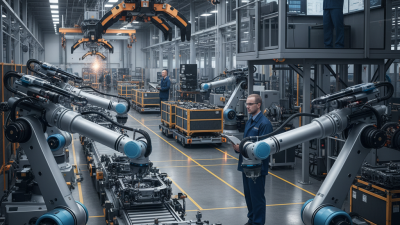
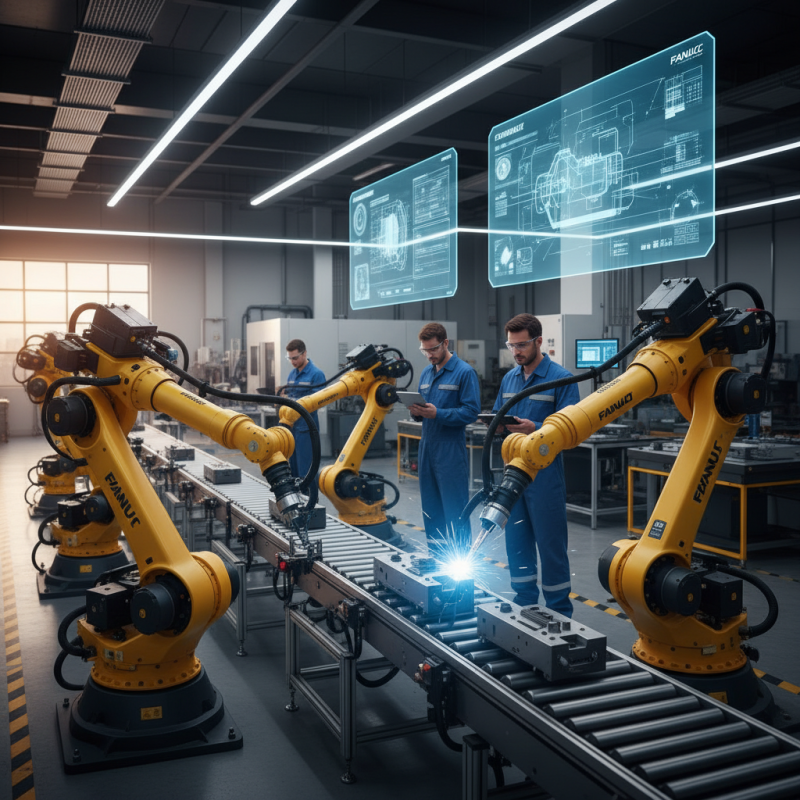
Understanding Fanuc automation can greatly enhance manufacturing efficiency. This technology encompasses robotics, CNC machines, and AI solutions. These automated systems streamline operations, reduce errors, and increase productivity. By integrating this technology, manufacturers can achieve faster output times and lower labor costs.
The benefits of implementing such automation include improved precision and consistency. Machines programmed with advanced algorithms can perform tasks with minimal human intervention. However, transitioning to automation is not without challenges. The initial costs can be significant, and training staff is crucial to harness its full potential. Moreover, ongoing maintenance is necessary to avoid costly downtimes.
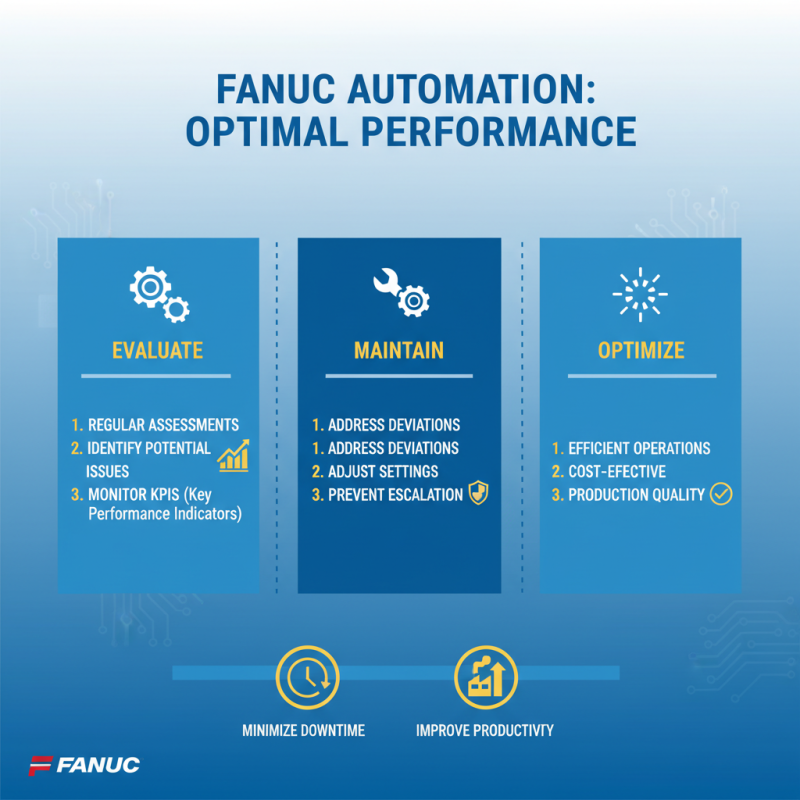
Many businesses see significant improvements after embracing this technology. They report higher quality products and better resource management. Yet, it’s important to continuously evaluate and optimize automated processes. Companies should regularly assess their strategies to ensure they adapt to changing market demands. Although automation brings many advantages, it also requires ongoing reflection and adjustment to fully reap its benefits.
Implementing Fanuc Automation in Manufacturing Processes
Assessing Your Manufacturing Needs for Automation Integration
Assessing your manufacturing needs is the first step in automating your processes. According to a report from the International Federation of Robotics, over 2.7 million industrial robots were operating worldwide in 2021. Understanding where these technologies can fit into your operation is essential. A detailed assessment helps identify both strengths and weaknesses in current workflows.
Start by analyzing production efficiency and downtime rates. The Manufacturing Institute reports that 67% of manufacturers face challenges related to skilled labor shortages. Identifying areas where automation can alleviate these pressures is critical. For instance, tasks that involve repetitive motions or high precision can significantly benefit from robotic integration.
Evaluate specific goals for automation, such as cost reduction or improved quality control. Data from McKinsey suggests that companies integrating automation can boost productivity by up to 30%. However, integration is not without challenges. Resistance from employees, misalignment with company culture, and the initial costs of technology can complicate implementation. Reflecting on these potential pitfalls is vital for a successful transition.
Step-by-Step Guide to Implementing Fanuc Automation Systems
Implementing automation in manufacturing processes can be transformative. Begin by assessing your current operations. Identify areas that need improvement. This could be production speed, quality control, or employee safety. Be specific about what you need to automate. A clear understanding of your goals will guide the implementation process.
Next, evaluate the technology available for automation. Research different systems that fit your manufacturing needs. Look for solutions that enhance your existing workflow. Consulting with experts can provide valuable insights. They can help you understand the advantages and limitations of various systems. Consider the compatibility with your current machinery.
Testing the automation solution is crucial. Start with a pilot project to evaluate performance. Gather data on efficiency and safety. Analyze the impact on your workforce. Training staff on the new technology is essential. They need to feel comfortable and capable. However, it's important to address concerns and feedback proactively. Continuous improvement is key to successful implementation. Don’t hesitate to adjust your plans based on real-world results and team input.
Training Employees for Effective Use of Fanuc Automation Tools
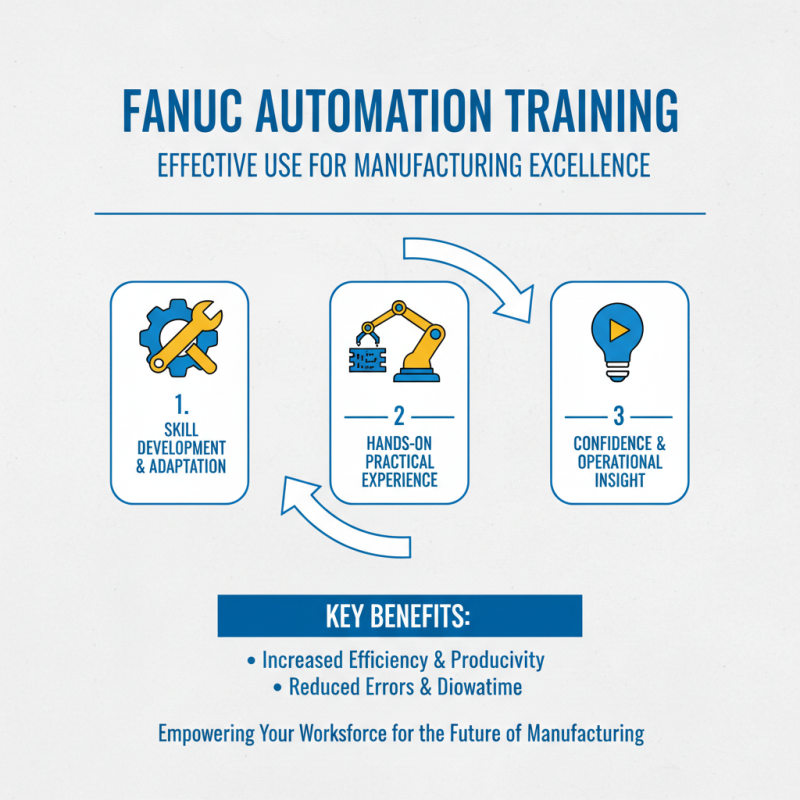
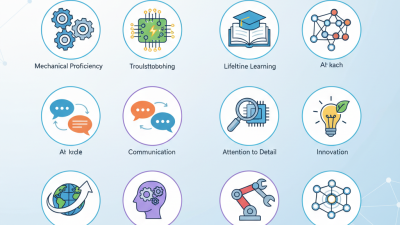
Training employees effectively is crucial when implementing automation tools in manufacturing. The rapid evolution of technology demands that workers possess the right skills to handle new systems. Engaging employees in hands-on training sessions fosters confidence. Practical experience helps them understand not just how to operate, but also why these tools matter.
Interactive workshops can facilitate peer learning. Employees share insights, addressing common challenges and solutions. Regular feedback loops are vital. They allow employees to express difficulties, ensuring that training evolves with the process. However, it's essential to acknowledge that not every worker adapts at the same pace. Some may struggle with new software while others excel. Continuous supportive measures can help bridge these gaps.
Evaluating the training's effectiveness is necessary. Metrics can guide adjustments in the approach. Frequent assessments enable identifying knowledge shortfalls and addressing them promptly. These reflections help refine future training sessions, making them more effective. Reflecting on both successes and setbacks leads to better strategies. This is key to maximizing automation benefits in manufacturing.