How to Optimize a Robotic Welding Cell for Maximum Efficiency?
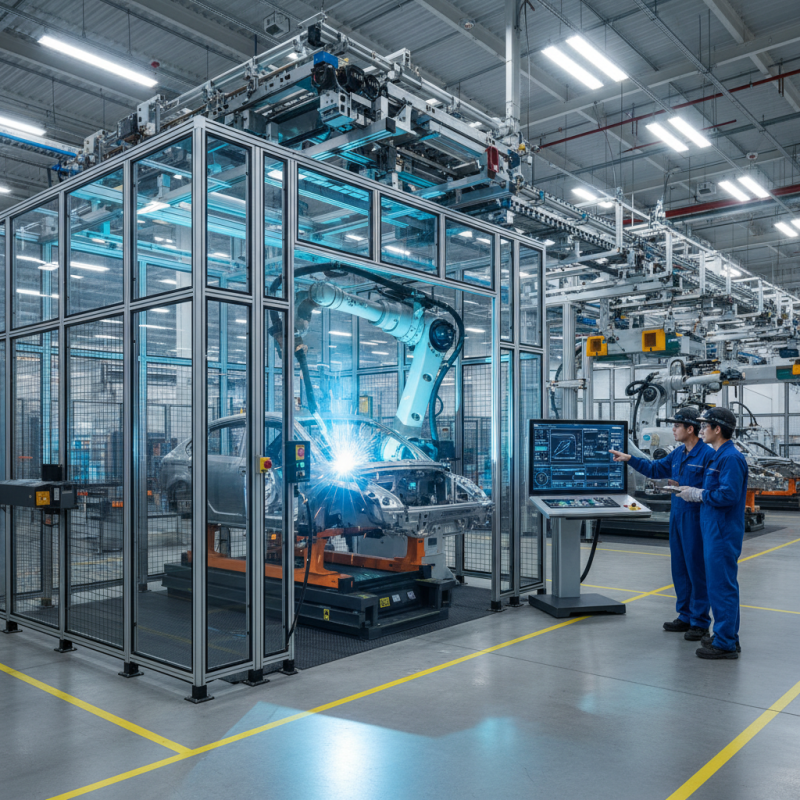
Optimizing a robotic welding cell is crucial for manufacturers seeking efficiency. A well-designed welding cell can significantly enhance production speed and reduce costs. However, many facilities struggle to achieve optimal performance.
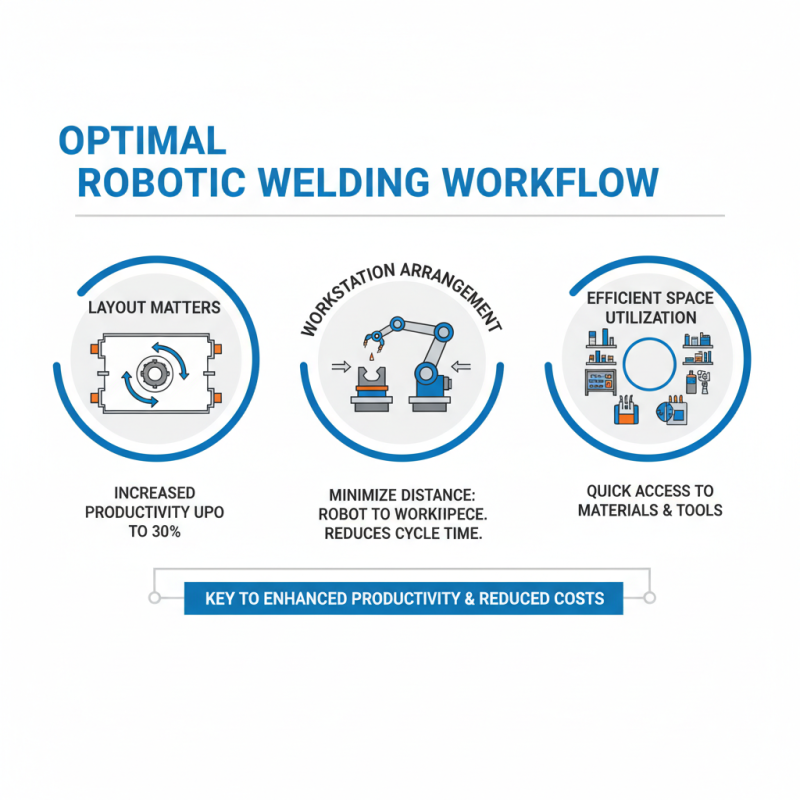
To unlock the full potential of a robotic welding cell, companies must focus on several key areas. These include proper layout design, effective programming, and regular maintenance. A poorly laid out cell can result in wasted time and resources. Likewise, inefficient programming can lead to unnecessary downtime.
Companies often overlook the human element involved in operating robotic systems. Adequate training for workers is essential. Workers need to understand the machines, even if they are not directly operating them. By integrating human oversight with automated processes, manufacturers can anticipate issues and improve overall efficiency.
Understanding the Components of a Robotic Welding Cell
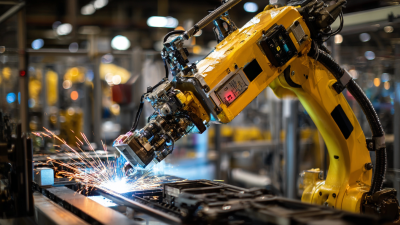
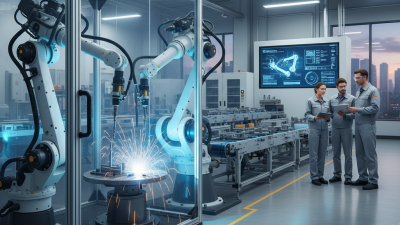
A robotic welding cell consists of several key components that work together. These components include the robotic arm, welding tools, and control systems. The robotic arm is the heart of the cell, responsible for precise movements. It needs to be programmed accurately, or the quality of the welding suffers. Regular updates and maintenance of the software are crucial for efficiency.
Welding tools play a vital role too. They influence the heat and speed of the weld. If the tools are worn or improperly calibrated, inconsistencies can arise. This may lead to weak joints or wasted materials. Operators must frequently check and replace these tools, though this can be time-consuming and requires careful planning.
Control systems manage the overall workflow. They allow operators to monitor performance and troubleshoot issues. However, if these systems have outdated interfaces, it can slow down operations. Sometimes, teams may struggle with data interpretation, leading to missed opportunities for improvement. Balancing technology with human oversight remains a challenge in optimizing these cells.
Selecting the Right Welding Equipment and Technology
Selecting suitable welding equipment is crucial for optimizing a robotic welding cell. Proper equipment ensures high-quality welds and improved productivity. According to a recent report, selecting the right robot type can boost efficiency by as much as 30%. A skilled assessment of the tasks helps choose the optimal robotic arm. Factors such as payload capacity and reach must also be considered.
Welding technology significantly impacts performance. Laser welding, for instance, enables faster speeds and reduced heat input. This technology can improve the overall cycle time by up to 50%. However, not every application suits advanced methods. It's essential to analyze production needs before investing. Sometimes, simpler processes yield superior results.
It's important to evaluate the technology continually. Regular assessments can identify areas for improvement. For instance, a technology that worked well a year ago may not be as efficient now. Industry shifts urge constant updates. By remaining adaptable, manufacturers can maintain competitive advantages. In a landscape marked by rapid change, staying ahead requires vigilance. Choosing wisely today sets the stage for future success.
Welding Equipment Efficiency Comparison
Implementing Real-Time Monitoring and Automation Solutions
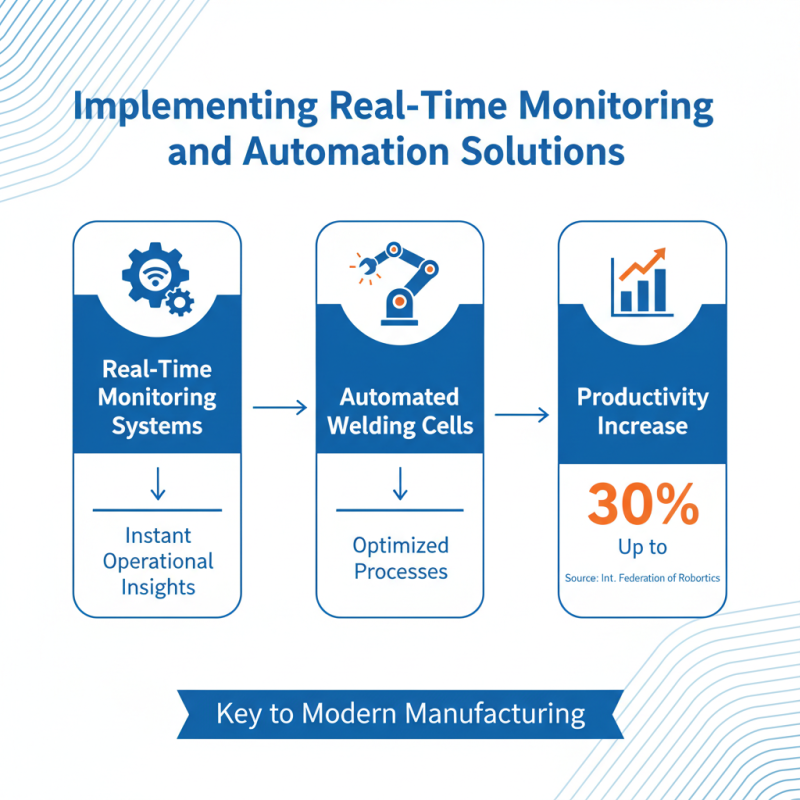
In today's manufacturing landscape, real-time monitoring and automation are key to optimizing robotic welding cells. A recent report from the International Federation of Robotics indicates that automated welding processes can yield productivity increases of up to 30%. By implementing real-time monitoring systems, manufacturers can gain instant insights into their operations. This helps identify inefficiencies quickly, allowing for swift adjustments.
Consider the following tips: Implement sensors that track weld quality in real time. These sensors can flag defects immediately. This allows for prompt corrections before they escalate into costly issues. Additionally, integrate data analytics tools to assess equipment performance over time. This can uncover patterns that lead to downtime, allowing for proactive maintenance.
However, it's important to acknowledge potential challenges. Over-reliance on automation may lead to overlooking human oversight. Sometimes, human intuition can catch issues that machines miss. Also, ensure your workforce is trained to work alongside these advanced systems. A skills gap can hinder efficiency gains. Balancing technological solutions with skilled human input is essential for overall effectiveness in robotic welding operations.
Training Operators for Increased Efficiency and Productivity
Training operators is crucial for maximizing the efficiency of robotic welding cells. Skilled operators can identify and solve issues quickly. According to a report by the Robotics Industries Association, proper training can boost productivity by up to 30%. This metric highlights the need for continuous education in the workplace. Operators should understand both the machinery and the processes involved in welding.
Moreover, hands-on training enhances problem-solving skills. When operators are accustomed to real-world scenarios, they become more proficient. A study indicated that 70% of operators feel unprepared to handle unexpected situations. This gap can lead to errors and delays. Regular training sessions can bridge this divide, fostering a culture of growth and learning.
An effective training program should include simulated welding tasks. This approach allows operators to practice their skills without affecting production. Incorporating feedback and assessments keeps the training relevant. However, many companies overlook the importance of ongoing training. They assume initial training is sufficient, which can lead to stagnation. Companies must prioritize this aspect to ensure their operators remain efficient and effective.
How to Optimize a Robotic Welding Cell for Maximum Efficiency?
| Metric |
Before Optimization |
After Optimization |
Improvement (%) |
| Cycle Time (seconds) |
30 |
20 |
33.3% |
| Weld Quality (defects per 1000 units) |
15 |
5 |
66.7% |
| Operator Efficiency (% of time utilized) |
70 |
85 |
21.4% |
| Material Waste (kg per hour) |
25 |
10 |
60% |