What is Robot Automation Software and How Does it Work?
In the fast-evolving world of technology, robot automation software stands out. It streamlines tasks and enhances productivity across various industries. According to Dr. Emily Carson, a leading expert in automation technology, "Robot automation software is not just a trend; it’s the future of efficient workflows."
This software operates by mimicking human actions in repetitive tasks. It relies on algorithms and artificial intelligence to perform functions like data entry and process management. As companies adopt this technology, they often encounter challenges. Not all tasks are suitable for automation. Some aspects require human judgment.
The integration of robot automation software can lead to mistakes. These errors might stem from poor programming or unforeseen scenarios. Therefore, organizations must critically assess their processes and identify areas for improvement. Embracing robot automation software is promising but requires thoughtful implementation.

What is Robot Automation Software and Its Importance in Modern Industries
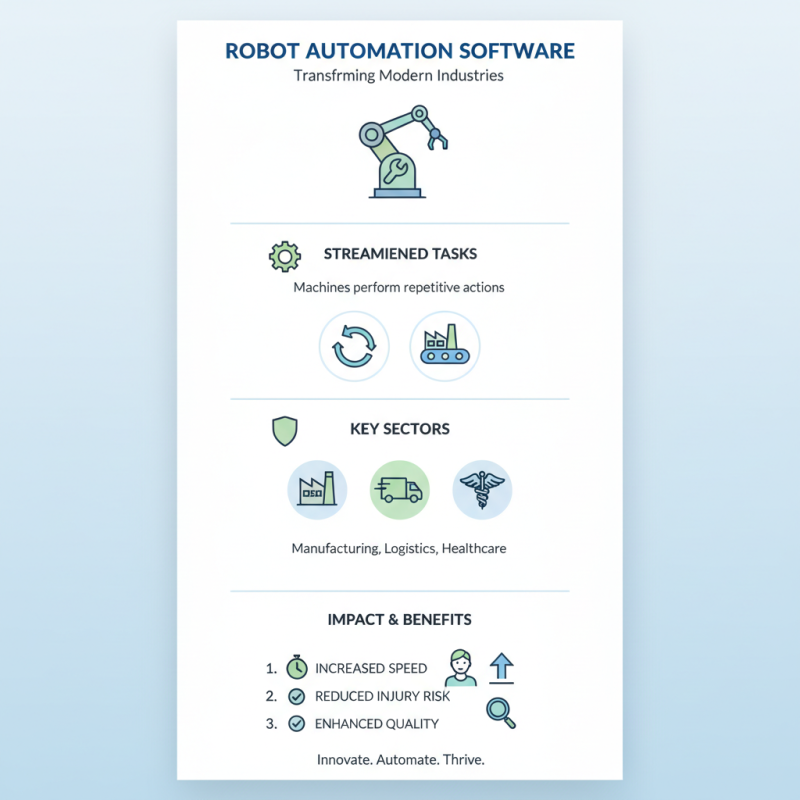
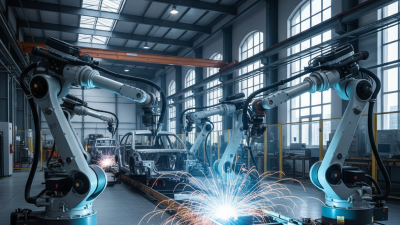
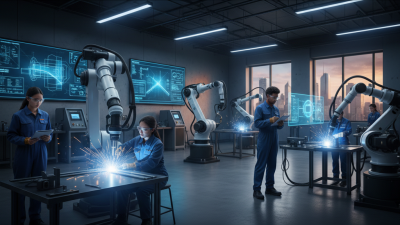
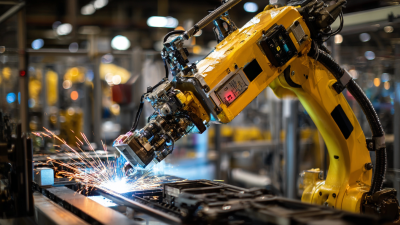
Robot automation software is transforming modern industries in significant ways. It streamlines tasks by enabling machines to perform repetitive actions. This software is crucial in sectors like manufacturing, logistics, and healthcare. For instance, assembly lines now feature robotic arms that work alongside humans. They can handle heavy parts, reducing the risk of injury. This technology also increases production speed, allowing businesses to meet demand without compromising quality.
However, implementing robot automation software is not without challenges. Employees might feel threatened by machines taking over their jobs. Training is necessary, but not everyone adapts quickly. Some workers may resist change, leading to friction in the workplace. Additionally, the initial investment can be daunting for smaller companies. They may hesitate, fearing a lack of return on investment. Thus, careful planning and communication are essential for a successful transition to automation.
The importance of this software goes beyond efficiency. It fosters innovation by freeing up human workers to focus on complex problem-solving. Companies must reflect on the balance between automation and human input. Finding this balance is key to harnessing the full potential of robot automation software. It’s a journey that needs constant reevaluation and adjustment to ensure that both technology and workforce thrive together.
Key Components of Robot Automation Software and Their Functions
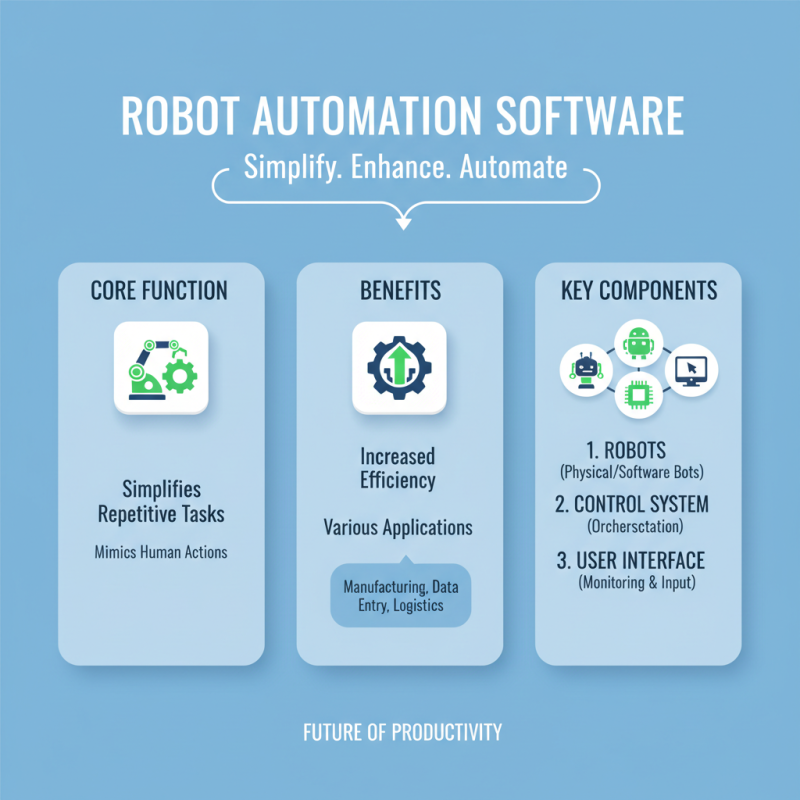
Robot automation software is designed to simplify repetitive tasks. It enhances efficiency by mimicking human actions in various applications. Key components play vital roles in its function. They include robots, a control system, and user interfaces.
The robot serves as the executor. It can be a virtual bot or a physical unit. These robots gather data and perform tasks based on pre-set rules. Meanwhile, the control system orchestrates their activities. It ensures each component works in harmony, adapting to changes in the workflow. The user interface allows people to set parameters and monitor performance in real time.
Despite these advancements, challenges remain. Integration with existing systems can be complex. It requires a clear understanding of current processes. Additionally, user training is crucial. People need to adapt to new technologies for maximum efficiency. Continuous evaluation helps identify areas needing improvement. This way, organizations can leverage automation effectively.
How Robot Automation Software Works: A Step-by-Step Process
Robot automation software streamlines repetitive tasks across various industries. Its functionality is crucial in improving efficiency. Understanding how it works requires a closer look at the process involved.
The first step involves identifying tasks that can be automated. These tasks often include data entry, report generation, and inventory management. An organization may take time to analyze these tasks thoroughly. Sometimes, the most obvious tasks are overlooked, leading to missed opportunities for efficiency.
Once tasks are identified, the next step is mapping out the processes. This means documenting each step clearly, defining inputs and outputs. It might feel tedious, but this clarity is essential. A poorly mapped process could result in
significant errors during automation. Finally, the automation software is configured to replicate the documented processes. Testing is critical at this stage, as it helps in identifying flaws. The goal is to refine the automation until it aligns perfectly with the original intent.
Benefits of Implementing Robot Automation Software in Business Operations
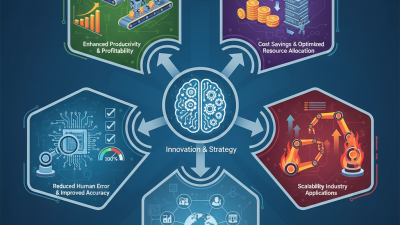
Robot automation software streamlines business operations in remarkable ways. It reduces manual tasks and enhances efficiency. For example, repetitive data entry can be automated, freeing up employees to focus on complex problems. When companies utilize automation, they often witness a drop in errors. Less human intervention means fewer mistakes. However, the transition can be challenging, as teams may resist changes.
Implementing this software can lead to significant cost savings. Companies can reallocate resources to more strategic projects. Automation software can also improve response times. Customer inquiries can be handled instantly. But there's a catch. Some employees fear job loss. Organizations must address these concerns. Open communication about the benefits is essential.
Moreover, automation can boost productivity but may create dependency. Over-reliance on software can lead to skill deterioration among employees. Regular training sessions can help mitigate this risk. Companies will need to find a balance between automation and human skills. Adjustments will always be necessary. Adaptability becomes a key factor in successful implementation.
What is Robot Automation Software and How Does it Work? - Benefits of Implementing Robot Automation Software in Business Operations
| Feature |
Description |
Benefits |
| Task Automation |
Automates repetitive tasks across various applications |
Reduces time spent on mundane tasks |
| Process Automation |
Integrates multiple software systems to optimize workflows |
Improves efficiency and reduces operational costs |
| Data Extraction |
Extracts relevant data from various sources |
Enhances data analysis and reporting accuracy |
| Error Reduction |
Minimizes human errors in data handling |
Increases reliability of business processes |
| Scalability |
Easily adjustable to handle increased workloads |
Supports business growth without a proportional increase in costs |
Industry Statistics: Growth and Impact of Robot Automation Software Trends
The rise of robot automation software is reshaping industries. According to recent studies, the global RPA market is projected to reach $25.66 billion by 2027. This represents a compound annual growth rate (CAGR) of 31.6%. These statistics highlight a clear trend towards increased automation in various sectors, including finance, healthcare, and manufacturing.
In sectors where processes are repetitive, robot automation offers significant benefits. For instance, studies show that organizations adopting RPA experience cost reductions of up to 30%. Additionally, 90% of the companies using RPA report enhanced accuracy in their operations. However, not all implementations yield success. Some organizations struggle with integrating automation into their current workflows. Many fail to provide adequate training for their employees, leading to frustration and decreased efficiency.
The surge in automation has also created a talent gap. A report indicated that 70% of organizations face challenges in finding qualified personnel for RPA projects. This gap can hinder progress. Companies must invest in upskilling their workforce to fully leverage automation tools. Addressing this gap is crucial for maximizing the potential benefits of robot automation software.