Top Robot Machine Innovations Transforming Our Future?
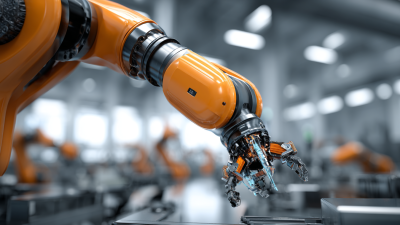
The rapid advancement of robot machine technology is reshaping our world. These innovations are not just fascinating; they can improve our daily lives. From automated manufacturing lines to personal assistants, robot machines are becoming integral. They enhance efficiency and precision in various industries.
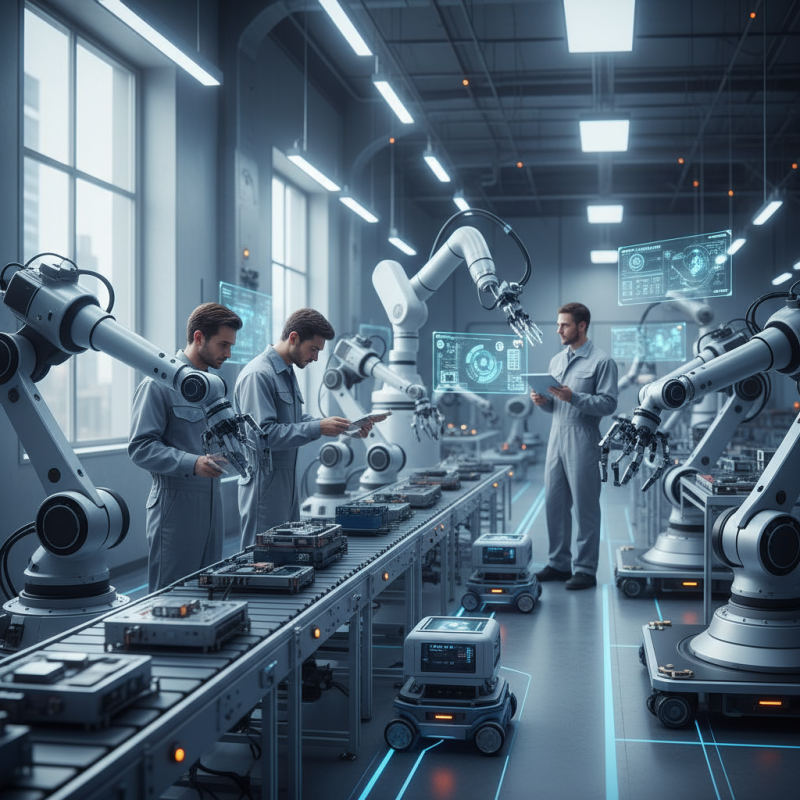
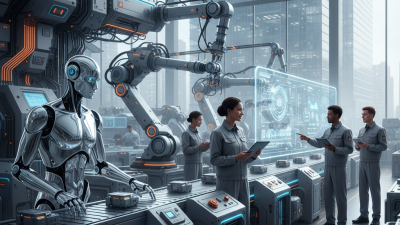
Imagine a factory where robot machines work alongside humans. They assemble products with unrivaled accuracy. In healthcare, robotic surgeries offer better outcomes. Patients benefit from less invasive procedures. However, this transformation raises essential questions. Are we ready for such changes?
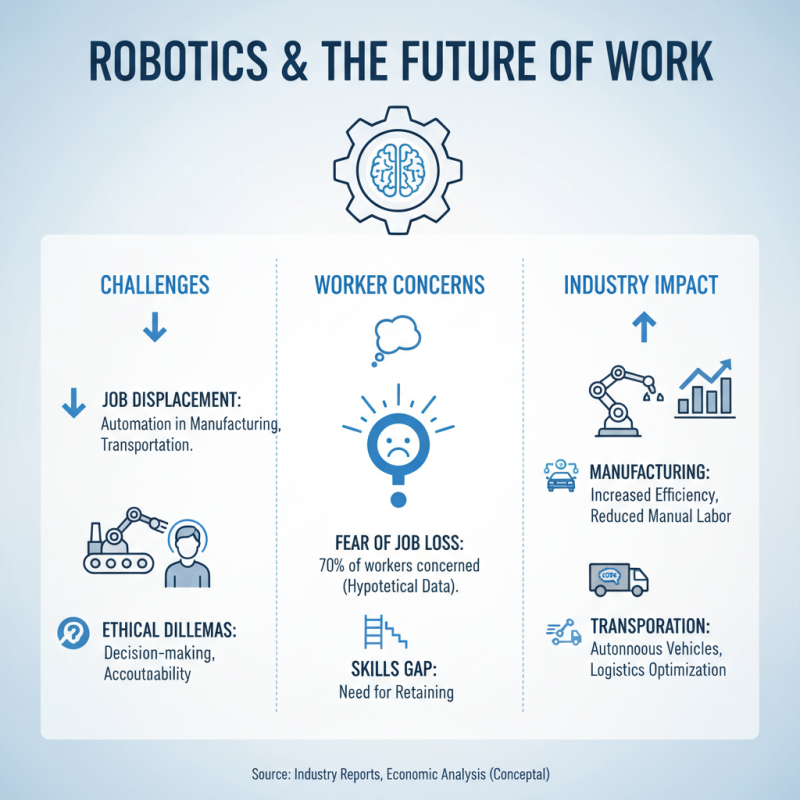
The rise of robot machines presents challenges. Job displacement, ethical concerns, and dependence on technology need careful consideration. As we embrace this future, it is vital to reflect on our role in this technological landscape. The balance between innovation and human impact is crucial for sustainable growth.
Emergence of Advanced Robotics in Various Industries
The emergence of advanced robotics is reshaping various industries. Manufacturing is seeing a major shift. Robots are now capable of intricate tasks. They work alongside humans to enhance productivity. These machines can assemble parts with precision. Human workers focus on more creative roles.
In agriculture, robots are revolutionizing how we farm. They can plant seeds, monitor crops, and harvest produce. This reduces labor costs and increases efficiency. However, reliance on automated systems raises questions. What happens to jobs? Are we losing traditional skills?
Tips: Embrace gradual integration of robots. Start small and adapt over time. Invest in training for workers. Help them learn to work alongside machines. This creates a balanced environment. Be aware of the ethical implications. As we move forward, discussions on automation’s impact are crucial.
Key Technological Innovations Driving Robotics Development
The robotics field is evolving rapidly, driven by key technological innovations. Advancements in artificial intelligence (AI) play a crucial role. AI allows robots to learn from their environment and make decisions. This capability is transforming industries like manufacturing, healthcare, and logistics. Robots can now perform tasks that require adaptability and precision.
Another significant innovation is in machine learning algorithms. These algorithms enable robots to improve their performance over time. They analyze data, identify patterns, and refine their actions. It’s fascinating to see how robots can now execute complex maneuvers with increased accuracy. Yet, errors still happen. Sometimes, robots misinterpret commands or fail to navigate obstacles effectively.
Tips: When considering robotics implementation, prioritize ease of use. Ensure your team is trained to troubleshoot common issues. Also, evaluate the limitations of the technology. Not every workplace is ready for full automation. Adaptation takes time, and constant feedback is vital to progress. The relationship between humans and robots must develop thoughtfully and cautiously.
Impact of Artificial Intelligence on Robotic Capabilities
Artificial Intelligence (AI) is reshaping the landscape of robotics. Robots now possess advanced capabilities due to AI. They can learn from their environments. This allows them to adapt and respond to changes efficiently. For instance, AI-powered robots in warehouses optimize tasks. They learn from previous experiences, handling items with increasing precision.
However, there are challenges. AI often requires vast amounts of data for training. Sometimes, this leads to biased outcomes. Robots might misinterpret situations if trained poorly. This raises ethical questions around accountability.
Additionally, not all jobs can be automated safely. Many worry about job displacement. This tension between innovation and societal impact must be contemplated.
Moreover, the integration of AI into robotics raises concerns about reliability. What happens when robots malfunction? Trust becomes a critical issue. Human oversight remains essential, particularly in sensitive environments. As we embrace these technologies, we must remain vigilant. Balancing progress with caution is crucial for a responsible future.
Future Trends in Collaborative Robotics and Automation
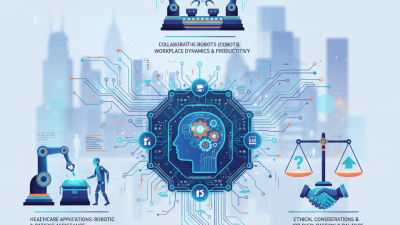
The rise of collaborative robotics is reshaping industries worldwide. By 2025, the global collaborative robots market is expected to reach $12 billion, according to a recent industry report. These robots work alongside humans, enhancing productivity while minimizing workplace risks. This partnership drives innovation but reveals challenges, too.
Many businesses struggle with integrating these technologies. Workers may feel threatened by automation. Yet, studies show that employee productivity can increase by up to 85% when using collaborative robots. Organizations must address these concerns. Training programs are essential to help employees adapt. Without this support, the transition could lead to resistance.
As innovations continue, ethical considerations arise. How do we ensure equitable collaboration between humans and machines? Data suggests that 40% of companies report difficulty in scaling up robotic solutions. It's crucial to reflect on these issues. The future of work demands a thoughtful approach to robotics and automation. Balancing efficiency and workforce wellbeing will define our path ahead.
Top Robot Machine Innovations Transforming Our Future
| Innovation |
Description |
Application Area |
Impact |
| Collaborative Robots (Cobots) |
Robots designed to work alongside humans in a shared workspace. |
Manufacturing, Healthcare, Logistics |
Enhanced productivity and safety in human-robot interactions. |
| AI-Powered Automation |
Automation systems utilizing artificial intelligence for decision-making. |
Retail, Customer Service, Supply Chain |
Increased accuracy in tasks and improved customer experience. |
| Robotic Process Automation (RPA) |
Use of software robots to automate repetitive business processes. |
Finance, HR, IT Services |
Cost reduction and efficiency improvements in operations. |
| Drones for Delivery |
Unmanned aerial vehicles utilized for transporting goods. |
E-commerce, Pharmaceuticals, Emergency Services |
Faster delivery times and access to remote areas. |
| 3D Printing Robots |
Robots that assist in additive manufacturing processes. |
Construction, Aerospace, Healthcare |
Reduction in material waste and the ability to create complex designs. |
Challenges and Ethical Considerations in Robotic Advancements
The rapid advancement of robotics poses significant challenges and ethical dilemmas. As robots become more integrated into society, the concern about job displacement grows. Many workers fear losing their positions to machines. These fears are not unfounded. In industries like manufacturing and transportation, automation is already changing employment landscapes.
There are also ethical questions surrounding privacy and surveillance. Robots equipped with advanced sensors can monitor our behaviors in ways we might not fully understand. This raises concerns about consent and misuse of data. Who controls the information gathered by these machines? The answer is often ambiguous, highlighting a gap in regulatory frameworks.
Moreover, the deployment of robotic technology in sensitive areas, like healthcare, brings its own set of moral challenges. Life-and-death decisions can be influenced by algorithms. Trust needs to be established between humans and machines. But can a robot make ethical decisions? This is a question that demands serious reflection. Balancing innovation with responsibility is crucial as we move forward.