Top 10 Robotic Grinding Solutions to Enhance Your Manufacturing?
The rise of robotic grinding solutions marks a pivotal advancement in manufacturing technology. Robotic grinding optimizes precision, efficiency, and consistency, transforming how industries approach surface finishing. Manufacturers face challenges like cost management and quality assurance. Robotic systems provide a reliable answer to these issues, but implementation requires careful planning.
In recent years, robotic grinding has gained traction across various sectors. These solutions increase productivity while reducing human error. The technology involves sophisticated algorithms and hardware designed for specific tasks. Companies that invest in robotic grinding often experience higher throughput. However, challenges remain, such as initial costs and the need for staff training.
The integration of robotic grinding is not without its flaws. Some companies struggle with understanding system capabilities. A steep learning curve can hinder effectiveness. It's critical to evaluate the long-term benefits against immediate challenges. This article explores the top 10 robotic grinding solutions available today, offering insights into their features and potential impact on manufacturing efficiency.
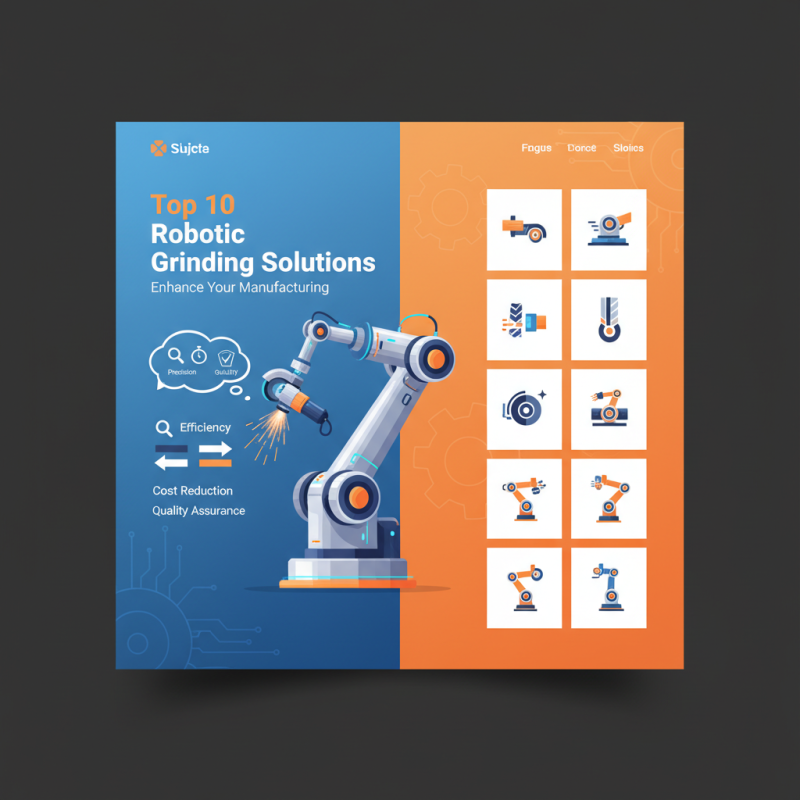
Overview of Robotic Grinding in Manufacturing
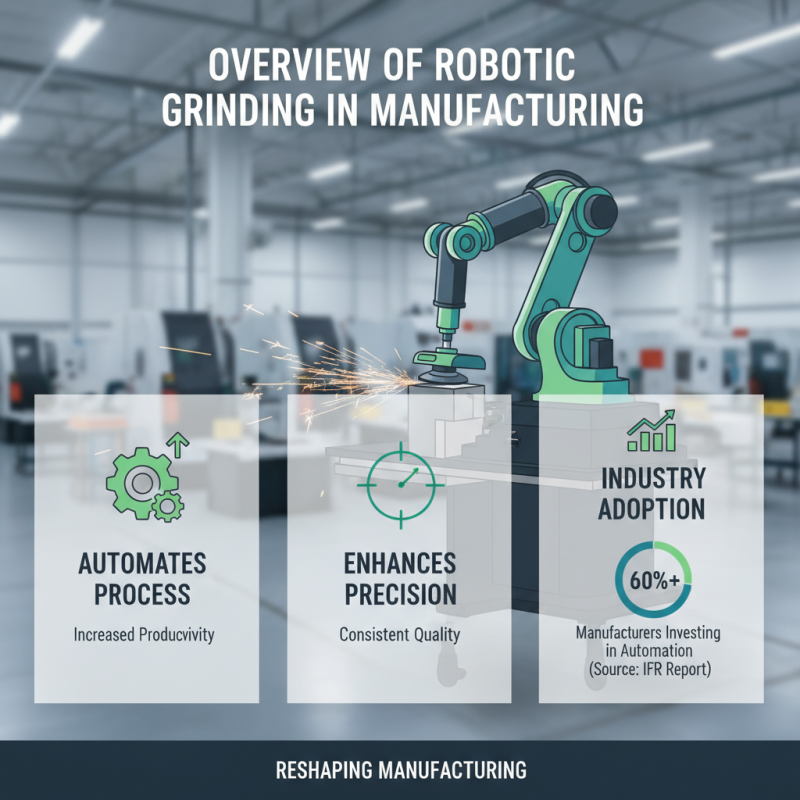
Robotic grinding is an emerging technology in the manufacturing sector. It automates the grinding process, enhancing productivity and precision. According to a recent report from the International Federation of Robotics, more than 60% of manufacturers are investing in automation technologies. This trend is rapidly reshaping the industry's landscape.
The integration of robotic systems reduces manual labor, minimizes errors, and increases output quality. For instance, studies show that robotic grinding can improve surface finishes by up to 30% compared to traditional methods. However, the transition to robotic solutions isn't without challenges. Training employees to operate and maintain these systems requires time and resources. Manufacturers must consider these factors carefully.
Moreover, as more companies adopt robotic grinding, a skills gap may emerge. Workers may need to reskill or upskill to keep pace. A report by McKinsey indicates that up to 30% of the workforce could be displaced by automation by 2030. This highlights the need for thoughtful implementation and employee engagement. Embracing robotic grinding can lead to significant benefits, but it is crucial to navigate its complexities.
Key Benefits of Implementing Robotic Grinding Solutions
Robotic grinding solutions bring numerous advantages to the manufacturing sector. They significantly enhance precision and consistency in grinding processes. By integrating robots into grinding tasks, manufacturers can achieve
tighter tolerances and a higher quality finish. This reliability leads to reduced waste and rework, resulting in
cost savings over time.
Efficiency is another key benefit. Robots can work continuously, reducing downtime associated with manual labor. They can handle complex parts and intricate shapes, reducing human error.
However, transitioning to robotic systems can present challenges. It requires careful planning and training. Manufacturers must consider the upfront costs, and the need for maintenance can be daunting.
Safety is a crucial aspect, especially in grinding operations that involve high-speed tools. Robotic systems can help minimize the risk of injury to human workers. They take on hazardous tasks, allowing people to focus
on system monitoring and quality control. Nevertheless, it's vital to regularly assess the implementation of these systems and gather feedback for improvement. Continuous evaluation is essential for maximizing the potential of robotic grinding solutions.
Top Robotic Grinding Technologies and Innovations
Robotic grinding technologies are shaping the future of manufacturing. Recent industry reports indicate that the global robotic grinding market is expected to grow significantly by 2025, reaching approximately $3.6 billion. This growth highlights the increasing reliance on automation for precision and efficiency. Robotic solutions can dramatically reduce processing time and improve surface finish quality.
Innovations in robotic grinding include the development of advanced sensors and AI algorithms. These technologies allow robots to adapt in real time, optimizing their grinding paths based on the material and shape of the workpiece. For instance, implementing machine learning can enhance the robots’ ability to predict wear patterns, enabling proactive maintenance. This level of precision is essential for industries such as aerospace and automotive, where tolerances are critical.
**Tip:** Regularly evaluate the performance of your robotic systems. Monitor for any deviations in efficiency or output quality. Addressing these issues promptly can prolong the lifespan of your equipment.
Another key trend is the integration of collaborative robots, or cobots, in grinding applications. These robots work alongside humans, allowing for a safer and more versatile production line. By sharing the workload, companies can better manage fluctuations in demand without compromising on quality. However, transitioning to such systems requires careful planning and employee training.
**Tip:** Invest in training programs. Ensure your workforce is comfortable working beside robots to maximize productivity and safety.
Top 10 Robotic Grinding Solutions
This chart represents the efficiency percentages of various robotic grinding technologies. As manufacturers seek to enhance their production processes, understanding the performance of different grinding methods is crucial for optimizing workflows and achieving higher quality outputs.
Evaluation Criteria for Selecting Robotic Grinding Systems
When evaluating robotic grinding systems, several key criteria come into play. First, assess the precision and consistency of the robot's grinding performance. This is crucial, as quality can make or break manufacturing processes. Look into the system’s ability to maintain tolerances across a range of materials. High-quality output leads to reduced rework, saving both time and resources.
Another important factor is integration capability. A robotic grinding solution should easily connect with existing production lines. This helps to streamline workflows and maximize efficiency. If a system requires major alterations to your current setup, think twice. Flexibility in programming and easy adaptability can significantly cut down on downtime.
Tips: Always consider the training requirements for staff. New technologies can pose challenges. Ensure your team is well-prepared to handle the robotic system effectively. Also, think about future scalability. The right solution should grow with your needs, accommodating new products or processes over time. Investing in a system that may feel overwhelming initially can pay off as your production needs evolve.
Case Studies of Successful Robotic Grinding Implementations
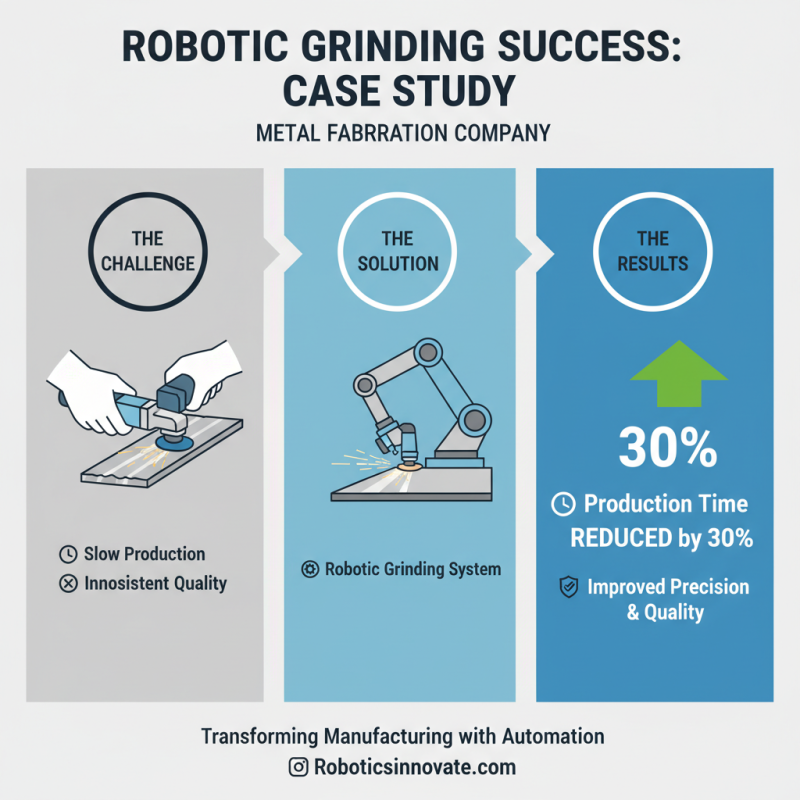
Robotic grinding has transformed manufacturing, offering precision and efficiency. Case studies show how companies adopted robotic solutions to improve their grinding processes. One compelling example involves a metal fabrication company that faced significant delays. Manual grinding was time-consuming and inconsistent. By implementing a robotic grinding solution, they reduced production time by 30%.
Another case highlights a furniture manufacturer. They struggled with finishing products uniformly. After deploying robots, quality soared. Each piece received a consistent grind, leading to fewer defects. This transition not only improved satisfaction but also decreased waste. However, the initial investment in technology was daunting. Companies must carefully assess the long-term benefits against upfront costs.
The transition to robotics isn't flawless. Worker retraining and adaptation to new workflows can pose challenges. Resistance to change is natural. Ensuring employees are onboard with robotic integration is vital for success. Fostering an environment of collaboration between human workers and robotic systems can lead to innovative solutions.