What is Robotic Process Automation Solutions and How Can They Benefit You?
In today's rapidly evolving business landscape, organizations are constantly seeking ways to enhance efficiency and reduce operational costs. Robotic Process Automation (RPA) solutions have emerged as a powerful tool in achieving these goals. According to Andrew Burgess, a leading expert in RPA, "Automation is not just a technology; it's a mindset change." This statement encapsulates the transformative potential of robotic process automation solutions.
RPA stands at the forefront of this mindset shift. It allows companies to automate repetitive tasks, freeing up valuable human resources for more strategic initiatives. Picture a customer service team that no longer spends hours processing invoices. Instead, they can focus on building relationships and improving service quality. This transition presents both new opportunities and challenges.
Despite the benefits, implementing robotic process automation solutions is not without hurdles. Some organizations struggle with the integration of RPA into existing workflows. Resistance to change can be a significant barrier. A thoughtful approach is essential. Companies need to assess their processes critically and be willing to iterate on their strategies. Embracing robotic process automation solutions means embracing ongoing learning and adaptation in a dynamic environment.

What is Robotic Process Automation (RPA) and Its Core Features?
Robotic Process Automation (RPA) simplifies repetitive tasks. It uses software robots to automate rule-based activities. These bots work in the background, performing tasks like data entry, and invoice processing. This leads to faster execution and less human error. Businesses can save time and resources, allowing employees to focus on complex tasks.
Core features of RPA include ease of use and rapid deployment. Users often find it intuitive, requiring minimal programming skills. This accessibility allows companies to implement solutions quickly. Additionally, RPA integrates well with existing systems, reducing disruption. However, businesses should be mindful of bot over-reliance. Supervising bots is crucial to ensure they run smoothly.
Moreover, RPA can struggle with exceptions and unique scenarios. It's not a one-size-fits-all solution. In some cases, bots may fail to recognize anomalies. This leads to processing delays and errors. Organizations need to regularly assess their RPA usage. Continuous improvement should be a priority for optimal results.
Key Technologies Behind Robotic Process Automation Solutions
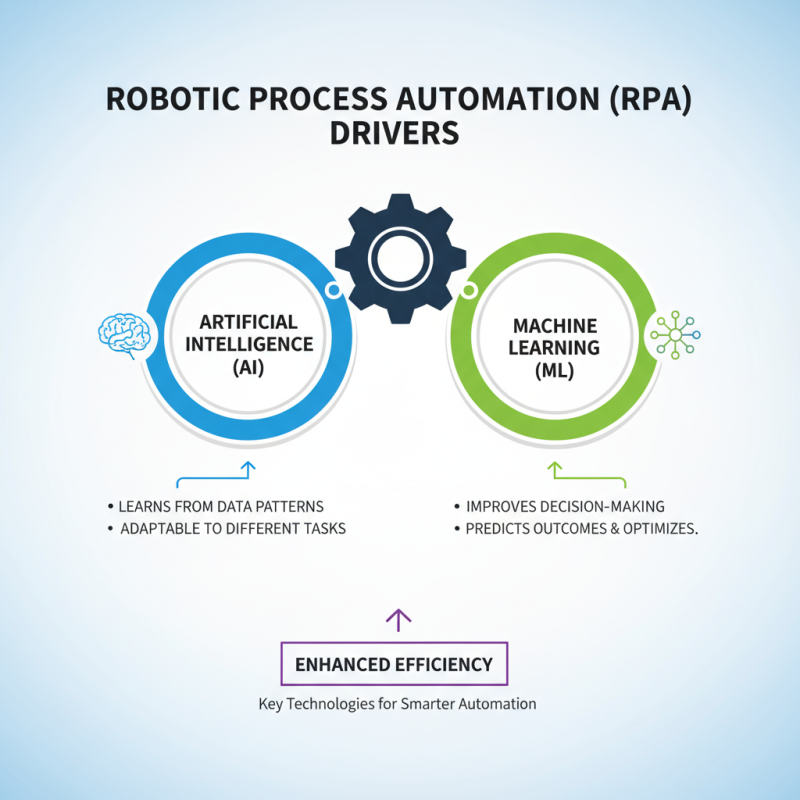
Robotic Process Automation (RPA) is driven by several key technologies that enhance efficiency. One foundational technology is artificial intelligence (AI). AI allows RPA systems to learn from data patterns. This capability makes RPA more adaptable to different tasks. Another important technology is machine learning (ML). ML algorithms can improve decision-making processes over time. They predict outcomes and optimize workflows.
Moreover, natural language processing (NLP) plays a crucial role in RPA. It enables systems to understand and interpret human language. This feature is essential for text-based tasks, like email responses. However, RPA isn't flawless. It struggles with ambiguous language and complex requests. This limitation requires human intervention at times.
Additionally, cognitive automation, which combines RPA with AI, offers significant benefits. It supports complex processes that require judgment. Yet, organizations must remember that implementing these technologies is not a cure-all. Teams may face challenges in integrating RPA into existing workflows. This can lead to confusion and inconsistency. It’s vital to plan and adapt alongside these technological advancements.
Benefits of Implementing RPA in Business Operations
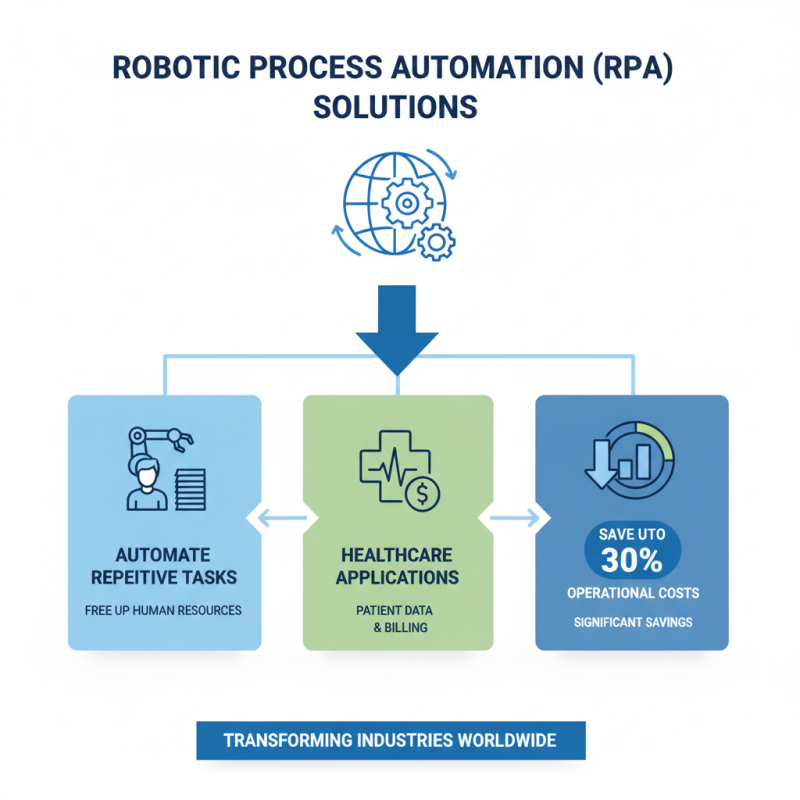
Robotic Process Automation (RPA) is transforming how businesses operate. By automating repetitive tasks, RPA enhances efficiency. According to a McKinsey report, companies can save up to 30% in costs by implementing RPA solutions. These savings arise from reducing the time employees spend on mundane tasks.
Moreover, RPA can significantly improve accuracy. Human error can account for 30% of process failures. In contrast, RPA can achieve over 99% accuracy in data processing tasks. This not only boosts productivity but also enhances service quality. Yet, organizations must address potential challenges. Employees may resist automation due to fears of job loss. Open communication is crucial to mitigate these concerns.
Another notable benefit is scalability. Businesses can easily scale RPA solutions to meet demand spikes. For example, during peak periods, companies can deploy more RPA bots without hiring additional staff. This agility supports growth in a competitive market. However, there is a need for continuous monitoring and improvement. RPA implementations should be regularly assessed to ensure optimal performance. Identifying weaknesses can help refine processes over time.
Common Use Cases of Robotic Process Automation Across Industries
Robotic Process Automation (RPA) solutions are transforming industries worldwide. They automate repetitive tasks, freeing up human resources for more complex work. The healthcare sector uses RPA for managing patient data and streamlining billing processes. According to a recent study, RPA can reduce operational costs by up to 30%. This statistic highlights the potential for significant savings.
In finance, RPA tools handle tasks like transaction processing and compliance reporting. A report indicates that 80% of financial processes can be automated, leading to faster results and reduced errors. However, companies must consider the initial investment and the integration process. Not all processes suit automation, and careful evaluation is required.
Tips: Evaluate your processes carefully. Not every task will benefit from RPA. Small-scale trials can reveal potential issues. Gather feedback from employees involved in the processes. Their insights can help refine the automation and improve overall effectiveness. By focusing on the right areas, RPA can yield substantial gains for your business.
Challenges and Considerations When Adopting RPA Solutions
Adopting Robotic Process Automation (RPA) solutions can transform business operations. However, organizations face several challenges during implementation. One critical issue is employee resistance. Many workers worry that automation might threaten their jobs. This fear can lead to a lack of motivation and decrease productivity. Addressing such concerns requires open communication and support.
Another significant challenge is the integration of RPA with existing systems. Incompatible software may hinder workflow. Organizations must assess their current infrastructure. Upgrading systems could be costly. Careful planning is essential to avoid disruptions. Additionally, RPA solutions need a clear governance framework. Without proper oversight, automation efforts may not align with company goals.
Moreover, organizations should not overlook training. Employees need the skills to work alongside robots. Insufficient training can lead to mistakes. Maintenance and updates are also crucial. Many businesses underestimate the long-term commitment required. The focus should be on continuous improvement rather than a one-time implementation. Keeping these factors in mind can lead to successful adoption.