Top Robotic Process Automation Solutions to Transform Your Business in 2025
In the rapidly evolving landscape of business technology, robotic process automation solutions are emerging as a key driver of efficiency and innovation. According to a recent report by McKinsey, organizations implementing RPA can increase productivity by up to 60%, freeing up valuable human resources for higher-level tasks. As we look towards 2025, businesses must adapt to the growing demands for agility and cost-effectiveness, and leveraging these automation solutions will become essential to remain competitive.
Furthermore, a study by Gartner predicts that by 2025, over 50% of all business processes will be automated, highlighting the urgency for organizations to embrace robotic process automation solutions. This shift not only enhances operational efficiency but also significantly reduces the margin of error that often accompanies manual processes. As leaders in various sectors are beginning to realize, the adoption of RPA can lead to transformative outcomes, reshaping how work is conducted and enabling businesses to respond swiftly to market changes.
In conclusion, the strategic integration of robotic process automation solutions will undoubtedly redefine the corporate landscape by 2025. As companies invest in these technologies, they position themselves not only to optimize current operations but also to drive future growth in an increasingly digital economy. The time to explore and implement RPA is now, as the benefits of automation are poised to revolutionize the way businesses operate.

Overview of Robotic Process Automation (RPA) Technology
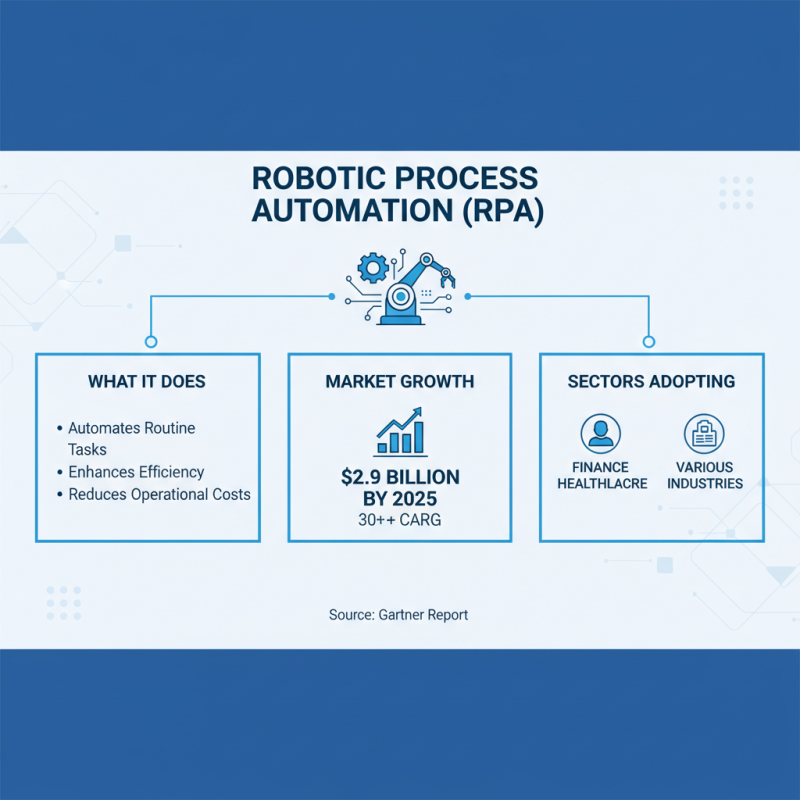
Robotic Process Automation (RPA) is revolutionizing how businesses operate by automating routine and rule-based tasks. As organizations look to enhance efficiency and reduce operational costs, RPA stands out as a pivotal technology. According to a report from Gartner, the RPA market is expected to reach $2.9 billion by 2025, which signifies a compound annual growth rate of over 30%. This growth highlights the increasing adoption of RPA across various sectors, from finance to healthcare, enabling companies to focus on strategic initiatives rather than mundane processes.
To effectively implement RPA, businesses must identify high-volume processes ripe for automation. It's essential to conduct an in-depth analysis of workflows to ensure that the chosen processes align with overall business goals. Additionally, incorporating feedback from employees can provide valuable insights into which tasks are most time-consuming or prone to error. This user-centric approach not only fosters employee buy-in but also results in a smoother transition to automated systems.
**Tip:** Consider starting with a pilot program that targets a specific area of operations. This allows for testing the effectiveness of RPA on a smaller scale before rolling it out company-wide. By measuring success and gathering data from the pilot, organizations can refine their approach and scale confidently, maximizing the return on their RPA investments.
Key Benefits of Implementing RPA in Business Operations
Implementing Robotic Process Automation (RPA) in business operations can significantly enhance efficiency, reduce costs, and improve overall productivity. One of the key benefits of RPA is its ability to automate repetitive and mundane tasks, allowing employees to focus on more strategic activities that add value to the organization. By delegating routine processes to robots, businesses can streamline operations and reduce human error, which often leads to costly mistakes.
Tip: Begin with a pilot program to identify processes that are ideal for automation. This will help you gain insights into the benefits of RPA and tailor a broader implementation strategy that aligns with your organization's unique needs.
Additionally, RPA can improve operational agility. As business environments change rapidly, the ability to quickly adjust processes is crucial. RPA tools can be easily configured and scaled according to changing demands, enabling businesses to respond swiftly to market shifts. This flexibility not only enhances customer satisfaction but also reinforces a company’s competitive edge.
Tip: Involve team members from different departments in your RPA implementation to ensure a comprehensive understanding of processes and potential areas for enhancement. This collaboration fosters a culture of continuous improvement and innovation within the organization.
Leading RPA Solutions to Consider for Your Business in 2025
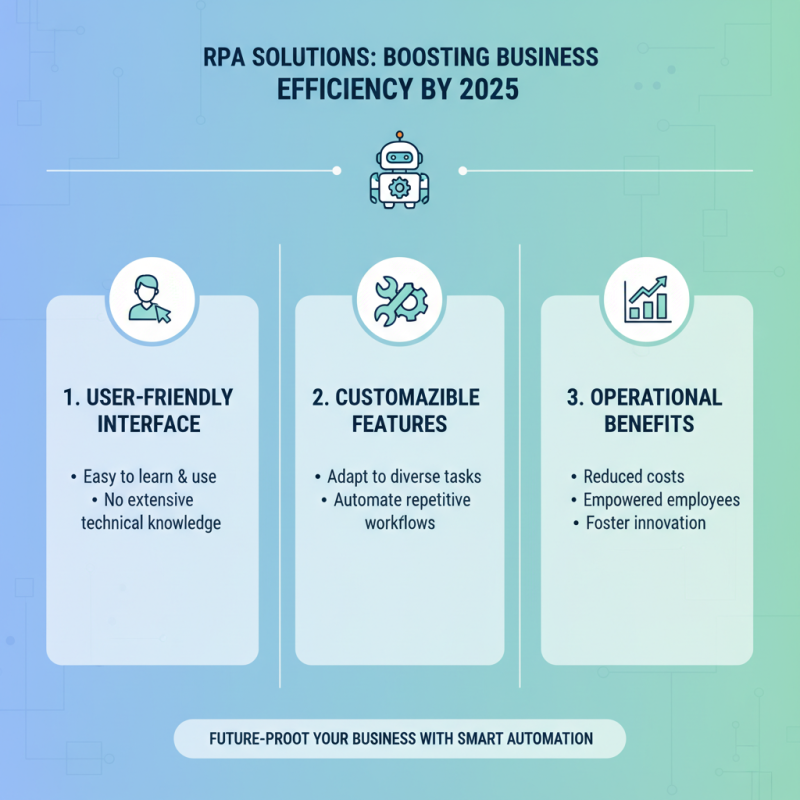
In the rapidly evolving landscape of business technology, selecting the right robotic process automation (RPA) solutions is essential for companies looking to enhance efficiency and streamline operations by 2025. Organizations must prioritize RPA tools that offer user-friendly interfaces and customizable features, which allow teams to automate a wide variety of repetitive tasks without extensive technical knowledge. This approach not only reduces operational costs but also empowers employees to focus on higher-value work, fostering innovation and creativity within the workforce.
As businesses assess their RPA options, it's crucial to consider solutions that seamlessly integrate with existing systems and provide robust analytics capabilities. Advanced reporting features can help organizations monitor performance metrics and identify areas for process improvement, ensuring that investments in automation yield maximum return. Additionally, security and compliance should be at the forefront of RPA selection, as businesses navigate an increasingly complex regulatory environment. By focusing on these key attributes, organizations can leverage RPA technology to drive transformation and gain a competitive edge in their respective markets by 2025.
Challenges and Considerations When Adopting RPA Solutions
Adopting Robotic Process Automation (RPA) solutions presents numerous challenges that organizations must navigate to ensure successful implementation and transformation. One of the foremost concerns is the integration of RPA with existing IT infrastructures. A survey from Gartner indicates that nearly 30% of RPA implementations fail due to integration issues, highlighting the need for a well-planned IT strategy prior to automation efforts. Companies must assess their current systems, ensuring compatibility and addressing potential gaps that might hinder seamless RPA deployment. Additionally, fostering collaboration among IT and business units is crucial, as alignment is essential for understanding process nuances and change management.
Another significant challenge lies within workforce dynamics. Research from McKinsey has shown that up to 30% of tasks in various industries could be automated, which can incite anxiety among employees about job security. Organizations must manage this change by developing training programs that empower employees to adapt to new roles alongside automated processes. Furthermore, clear communication about the benefits of RPA—such as enhanced productivity and reduced human error—can help alleviate employee concerns. As organizations chart the path to RPA adoption, addressing these challenges proactively will be vital in fully harnessing the digital potential and transforming business operations by 2025.
Future Trends: The Evolution of RPA Beyond 2025
The landscape of Robotic Process Automation (RPA) is poised for significant transformation as we approach 2025 and beyond. As organizations increasingly leverage automation to enhance efficiency and reduce operational costs, the RPA market is projected to grow to a staggering $25.66 billion by 2027, according to a recent report by Fortune Business Insights. This growth trajectory emphasizes not only the current relevance of RPA but also its evolving role in broader digital transformation initiatives.
Future trends indicate that RPA will increasingly integrate with advanced technologies such as artificial intelligence (AI) and machine learning to create intelligent automation systems. By 2025, it is expected that over 60% of organizations will incorporate AI capabilities into their RPA solutions. This integration will empower businesses to handle more complex processes, making automation smarter and more adaptable to changing business needs. Furthermore, as remote and hybrid work environments become standard, RPA will play a critical role in streamlining processes that facilitate collaboration and increase operational agility.
Additionally, the focus on data security and compliance will drive the evolution of RPA beyond 2025. With increasing regulations around data privacy, organizations will need to implement automation solutions that ensure compliance while maximizing efficiency. Research from McKinsey suggests that companies prioritizing governance in their RPA implementations could achieve a 30% faster ROI through enhanced trust and accountability in their automated processes. As businesses navigate this new landscape, the integration of governance and advanced technologies will be pivotal in redefining the capabilities and applications of RPA.
Top Robotic Process Automation Solutions to Transform Your Business in 2025
| Automation Tool |
Key Features |
Industries Served |
Expected ROI |
Ease of Use |
| Tool A |
AI-Powered Insights, Multi-Platform Support |
Finance, Healthcare |
200% |
High |
| Tool B |
Cloud-Based RPA, Customizable Workflows |
Retail, Logistics |
150% |
Medium |
| Tool C |
Intelligent Document Processing, Analytics Dashboard |
Insurance, Manufacturing |
180% |
Low |
| Tool D |
Process Mining, Bot Store |
Telecommunications, Energy |
220% |
High |
| Tool E |
Robust Security Protocols, API Integration |
Education, Government |
170% |
Medium |