What is Robotics Software and How Does It Improve Efficiency?
The rapid evolution of robotics software is transforming industries worldwide. According to a report by McKinsey, over 60% of tasks can be automated using current technology. This shift is not just theoretical; it reflects a growing reliance on software that powers autonomous systems. Robotics software increases efficiency by enabling machines to perform tasks with precision and speed.
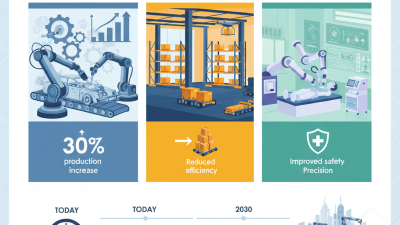
Manufacturers, for instance, report productivity gains of up to 30% through automation. Such improvements are essential as labor shortages rise and operational costs soar. Yet, not every implementation guarantees success. Companies must adapt their processes to fully leverage robotics software's capabilities. Failure to do so can lead to missed opportunities.
Additionally, the integration of robotics software is complex. It requires a skilled workforce and robust cybersecurity measures to protect automated systems. Striking a balance between automation and human oversight remains a challenge. As industries continue to explore these technologies, ongoing evaluation and adjustment will be crucial for lasting success.
Definition and Overview of Robotics Software
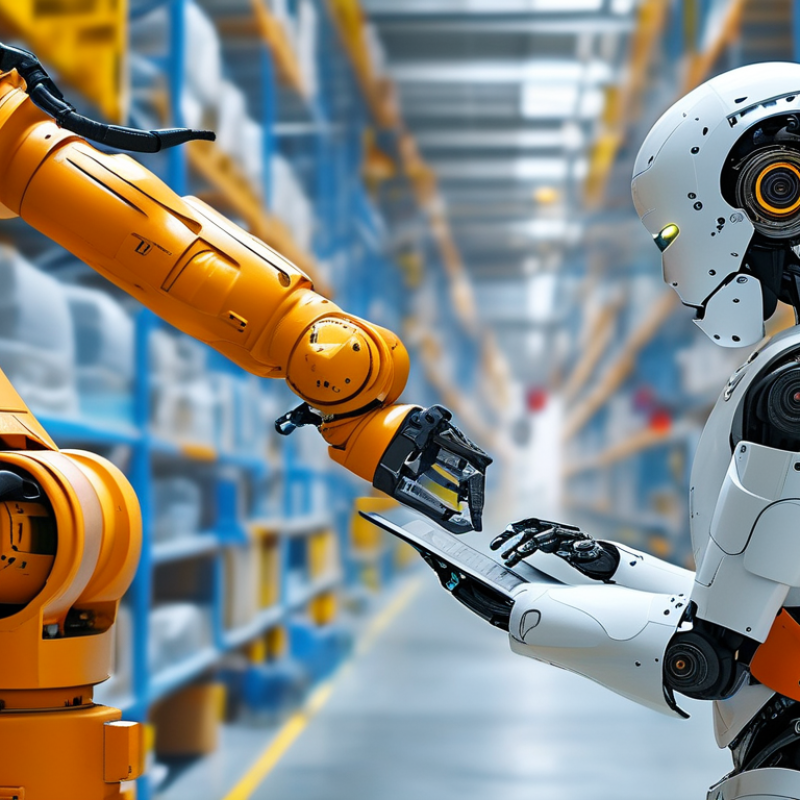
Robotics software plays a crucial role in the development and operation of autonomous systems. It encompasses various applications, including programming languages, operating systems, and middleware solutions. These tools enable robots to perform complex tasks, such as navigation, manipulation, and communication. By streamlining processes, robotics software can significantly enhance operational efficiency.
In many industries, robotics software integrates seamlessly with existing workflows. For example, in manufacturing, robotic arms are programmed to handle repetitive tasks like assembly. This not only reduces human error but also increases production speed. However, implementing such software requires careful consideration of customization needs. Developers must ensure that the software can adapt to specific tasks and environments.
Moreover, the deployment of robotics software is not without challenges. Users may face issues like software bugs or integration problems. Regular updates and maintenance are essential to mitigate these risks. As industries continue to adopt automation, it’s vital to balance efficiency gains with potential drawbacks. Constant reflection on the software’s impact on workforce dynamics and operational challenges is necessary for sustainable progress.
Key Components of Robotics Software Architecture
Robotics software architecture is a complex interplay of various components. At its core, it integrates sensors, actuators, and control systems. Sensors collect data from the environment, while actuators carry out actions. This integration is vital for efficiency. However, developing effective communication between these components can be challenging. Delays or miscommunications can hinder performance.
The middleware layer serves as the backbone. It allows different software modules to share information seamlessly. Still, achieving this level of integration can lead to unforeseen issues. Compatibility between different modules often requires extensive testing. Each module’s performance can vary, and ensuring they all work together smoothly is a hurdle that developers face.
Additionally, the graphical user interface (GUI) plays a crucial role. A well-designed GUI helps users interact with robots effectively. It should be intuitive, but designing it is not always straightforward. Developers often need to iteratively refine the interface based on user feedback. Addressing usability issues can take time but is essential for improving overall efficiency and user satisfaction.
What is Robotics Software and How Does It Improve Efficiency? - Key Components of Robotics Software Architecture
| Component |
Description |
Efficiency Benefit |
| Robot Operating System (ROS) |
An open-source framework that provides libraries and tools for building robot applications. |
Fosters rapid prototyping and community contributions, reducing development time. |
| Simulation Software |
Allows developers to test and validate robot designs in a virtual environment. |
Minimizes physical prototyping costs and accelerates testing phases. |
| Path Planning Algorithms |
Computes the most efficient route for a robot to navigate its environment. |
Improves operational efficiency by reducing time and energy consumption during tasks. |
| Machine Learning Models |
Enables robots to learn from data and improve their performance over time. |
Enhances adaptability and accuracy, reducing error rates in operations. |
| Human-Robot Interaction (HRI) Software |
Facilitates communication between humans and robots. |
Improves user interface, making robots easier and more intuitive to use. |
Applications of Robotics Software in Various Industries
Robotics software has transformed various industries by enhancing automation and workflow efficiency. In manufacturing, robotic arms assemble products with precision. They can operate continuously, reducing human error and labor costs. These machines streamline processes, making production faster and more cost-effective.
In the healthcare sector, robotics software assists in surgeries. Robotic systems allow for minimally invasive procedures, leading to quicker recovery times for patients. However, reliance on technology raises concerns. If a software malfunction occurs, the consequences can be severe. Continuous monitoring is essential to mitigate such risks.
Logistics is another area benefiting from robotics software. Automated guided vehicles transport goods within warehouses. They move quickly and can adapt to changing inventory needs. Yet, integration into existing systems can be challenging. Training employees to work alongside robots requires careful planning. Balancing technology with human oversight remains crucial for sustained efficiency.
Impact of Robotics Software on Operational Efficiency
Robotics software plays a crucial role in enhancing operational efficiency across various industries. By automating routine tasks, it reduces human error and increases productivity. For instance, in manufacturing, robots can assemble components faster than humans. This leads to shorter production cycles and higher output. Optimizing workflows through robotics software allows companies to allocate resources more effectively, saving time and costs.
Regular updates and maintenance of robotics software ensure smooth functioning. Monitoring performance metrics can provide insights into areas for improvement. When teams analyze data, they can identify inefficiencies within operations. This reflective process highlights the importance of consistent evaluation in achieving greater efficiency.
Embracing robotics software isn't without challenges. Team training and adaptation can be slow. Ensuring everyone is on board may take time, and resistance to change is common. Addressing these issues proactively leads to better integration. Continuous learning and growth are vital in this rapidly evolving field. This way, organizations can harness the full potential of robotics software to transform their operations.
Impact of Robotics Software on Operational Efficiency
Future Trends in Robotics Software Development and Integration
The landscape of robotics software development is evolving rapidly. Industry reports indicate a projected global market growth rate of over 25% from 2023 to 2030. This surge reflects increasing demand for automation across various sectors. Companies are turning to robotics to enhance efficiency. However, integrating advanced software can be a challenge.
AI-driven algorithms are at the forefront of this transformation. They enable robots to perform complex tasks with minimal human intervention. For example, predictive maintenance analytics can reduce downtime by 30%. Yet, the integration of such technologies requires careful planning. Many firms struggle with legacy systems that are not designed for modern software. This can lead to inefficiencies.
Cybersecurity remains a key concern. With more robots connected to networks, the risk of hacks increases. According to a recent survey, 40% of robotics companies reported incidents of cyber threats. Addressing these issues is crucial for the ongoing success of robotics software. Finding the right balance between innovation and security often leads to tough discussions among stakeholders.