What is Smart Hotel Technology and How Does It Work?
The rise of Smart Hotel technology is reshaping the hospitality landscape. According to a recent report by Allied Market Research, the global smart hotel market is projected to reach $1.6 billion by 2025, growing at a CAGR of 27.7%. This rapid growth indicates a shift in consumer preferences towards more personalized and efficient experiences.
Smart Hotels leverage advanced technologies such as IoT, artificial intelligence, and cloud computing. These innovations allow hotels to offer seamless services, such as automated check-ins and personalized room settings. Guests can control lighting and temperature through mobile apps. This not only enhances comfort but also optimizes energy consumption, which is crucial for sustainability. However, while Smart Hotel technology provides convenience, concerns about data privacy remain prominent.
It's essential for hotel operators to navigate these challenges responsibly. Ensuring that customer data is protected will be vital for building trust. Addressing these issues thoughtfully will define the success of Smart Hotels in the future. The blend of innovation and consumer trust will ultimately shape the trajectory of the industry.
What is Smart Hotel Technology?
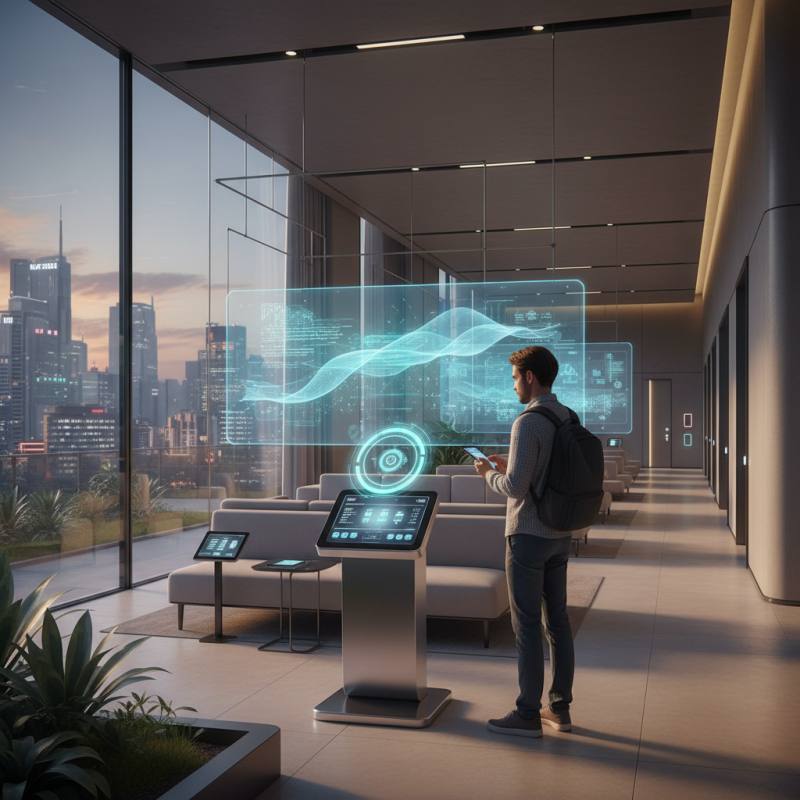
Smart hotel technology is revolutionizing the guest experience. This innovative approach encompasses a range of digital tools and automation systems. Features include smart room controls, mobile check-ins, and personalized services. Guests can manage room settings like temperature and lighting through their smartphones. This level of convenience enhances comfort significantly.
Additionally, smart hotels use data analytics to anticipate guest preferences. For example, if a guest enjoys a specific beverage, the hotel may stock it prior to their arrival. However, the reliance on technology poses challenges. Not all guests may be tech-savvy, leading to frustration. Furthermore, data privacy concerns about personal information remain critical.
Incorporating smart technology into hotel operations enhances efficiency. Staff can respond to guest needs immediately. Yet, challenges like system malfunctions can hinder service quality. As hotels embrace this trend, ongoing training and support for staff and guests are essential for success. Balancing technology and human interaction will remain a key focus.
Key Components of Smart Hotel Technology
Smart hotel technology transforms the hospitality industry. The key components integrate various systems for a seamless guest experience. IoT (Internet of Things) devices play a crucial role. They connect everything from room controls to access systems.
Voice-activated assistants provide convenience. Guests can control lighting and temperature with simple commands. Smart locks enhance security and allow mobile access. Guests appreciate the ease of checking in using their smartphones. Smart rooms adjust settings based on personal preferences.
Energy management systems also contribute. They optimize power usage, reducing waste and costs. This technology tracks occupancy and adjusts heating or cooling accordingly. Guests enjoy comfort while hotels save money. The challenge lies in balancing innovation with privacy concerns. Hotels must ensure data protection while enhancing guest experiences.
How Smart Hotel Technology Enhances Guest Experience
Smart hotel technology is reshaping the hospitality industry. Guests today crave personalization. Smart solutions allow hotels to cater to these needs. According to a report by Statista, 90% of travelers prefer hotels that offer smart technology. This includes features like mobile check-ins and smart room controls. Such enhancements provide convenience and tailored experiences for each guest.
Lighting and temperature can be adjusted via smartphones. This hands-on control helps create a preferred atmosphere. Additionally, digital concierge services assist with bookings and events. They provide instant solutions to guest queries. Communication becomes seamless, reducing the need for front desk interactions. This technology allows staff to focus on enhancing service quality.
**Tip:** Incorporate smart technology gradually. Not every guest may find it intuitive. Staff training is crucial for successful implementation.
While technology enhances comfort, it can feel impersonal to some. Balancing high-tech with human touch is essential for a fulfilling guest experience. Not all guests are tech-savvy. Offering traditional options alongside smart alternatives is a prudent approach.
Smart Hotel Technology Impact on Guest Experience
This bar chart illustrates the impact of various smart hotel technologies on guest experience, rated on a scale of 1 to 10. Personalization scores the highest due to tailored services enhancing overall satisfaction, while energy efficiency and convenience also significantly contribute to a positive stay.
The Role of IoT in Smart Hotel Operations
Smart hotel technology is transforming the hospitality industry, primarily through the Internet of Things (IoT). IoT connects devices and systems within a hotel, enhancing the guest experience and optimizing operations. For instance, smart thermostats adjust room temperatures based on guest preferences. When a guest checks in, sensors can automatically set the climate to a comfortable level. This not only improves comfort but also reduces energy costs.
In addition, IoT devices streamline operations. Staff can receive real-time alerts for maintenance issues. A broken light can notify maintenance teams directly. This reduces delays in service and heightens guest satisfaction. However, this level of connectivity raises concerns about data privacy and security. Hotels must ensure that guest information is protected. Balancing technology with personal service is also vital. While automation enhances efficiency, guests often value human interaction. This creates a need for reflection on the role of technology in creating memorable experiences.
Smart hotel technology is useful but not without flaws. Some guests may find an abundance of gadgets overwhelming. Too much automation can lead to a loss of personal touch. Hotels must find harmony between IoT capabilities and traditional hospitality values. Successful integration requires ongoing assessment and adjustments.
Future Trends in Smart Hotel Technology
Smart hotel technology is evolving rapidly, reshaping the hospitality industry. A recent report from Statista indicates that the smart hotel sector is expected to reach a value of $150 billion globally by 2025. This growth is driven by innovations such as smart room controls, artificial intelligence, and personalized guest experiences.
Future trends indicate a significant focus on sustainability. Hotels are implementing energy-efficient systems to reduce costs and environmental impact. According to a study by PwC, 70% of travelers prioritize sustainable accommodations. Integrating IoT devices for efficient energy management can attract eco-conscious guests.
Tip: Consider using smart thermostats and lighting that adjust based on guest behavior.
Another trend involves contactless technology that enhances guest safety. A report by Deloitte highlights that 60% of customers prefer mobile check-in options for convenience. Utilizing mobile apps can streamline services, ensuring smooth experiences and reducing physical contact.
Tip: Implement QR codes for easy access to hotel services.
While advancements bring opportunities, watch for challenges such as data security. Protecting guest information is crucial. Awareness of potential vulnerabilities will help maintain trust.