What Are the 7 Best Robotic Welding Solutions?
Robotic welding solutions can improve consistency, production speed, and operator safety, but the right choice depends on the work. A compact cobot handling short batches may suit a fabrication shop better than a high-volume robotic cell. Part size, weld type, available floor space, and worker skills all matter. Small details matter.
This guide explores seven leading solution types, from arc-welding robots and collaborative systems to turnkey cells and automated seam-tracking setups. Each option addresses different production needs. For example, a positioner can rotate a heavy frame while a robot maintains a steady torch angle. Sensors can help track joints when parts vary slightly, though they do not eliminate the need for sound fixturing or process checks. No setup is perfect.
The comparison focuses on practical criteria: process compatibility, payload and reach, programming effort, integration requirements, and ongoing support. These points help readers assess whether a solution fits their actual parts and workflow, rather than relying on impressive specifications alone. A fast robot may still disappoint if changeovers take too long or weld quality varies between shifts. That trade-off deserves attention. The best choice is usually the one that delivers repeatable welds within realistic staffing, maintenance, and budget limits. We also note where a solution may be less suitable, because selecting automation without reviewing production constraints can create costly surprises.
What Robotic Welding Solutions Are and How They Work
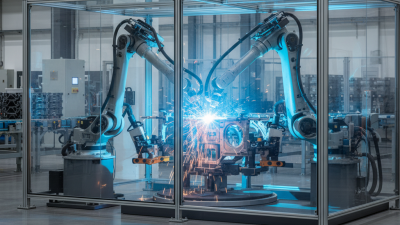
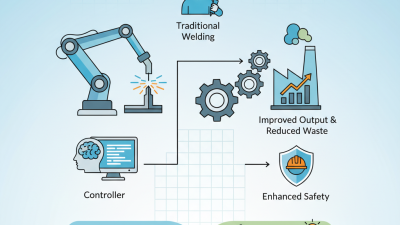
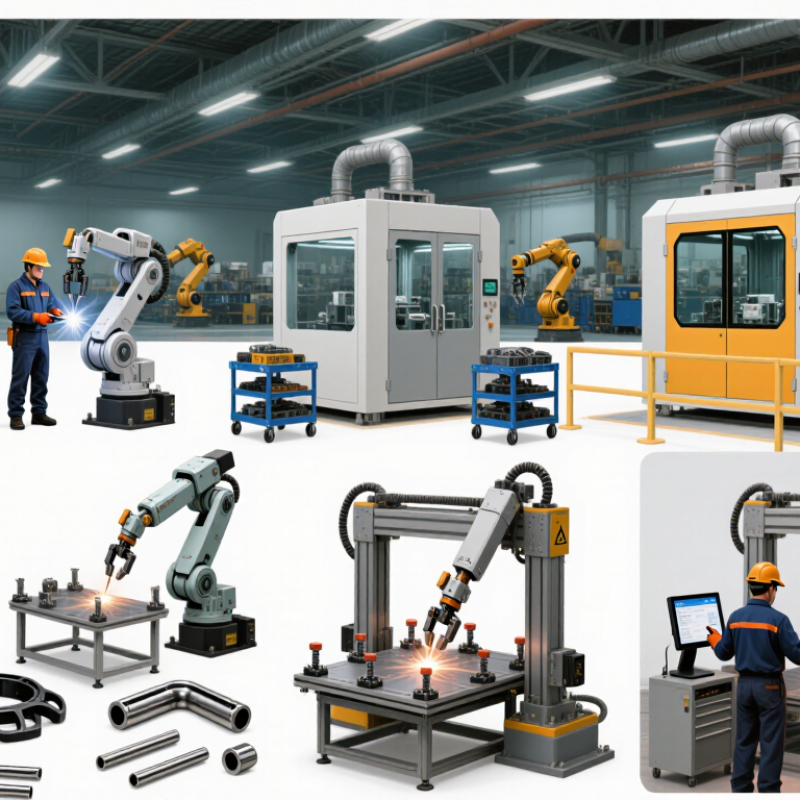
Robotic welding solutions combine an industrial robot, welding equipment, control software, and a fixture that holds parts steady. Together, these components move a torch or electrode along a programmed path. A typical cell also includes safety barriers and sensors. The controller coordinates the robot’s position with welding settings such as current, voltage, and travel speed.
The process begins with a defined joint and a suitable program. The operator loads parts into the fixture, checks alignment, and starts the cycle. The robot follows its path while the welding equipment creates the joint. Sensors may detect a seam or adjust the torch position when parts vary slightly.
Fit matters.
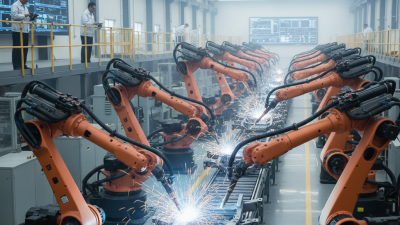
Common solutions include robotic arc welding for continuous seams and robotic spot welding for overlapping sheet metal. Other systems use different heat sources or more flexible robot setups. The right choice depends on material, joint shape, production volume, and required inspection.
A smooth-looking bead does not prove a strong weld. Operators still need to verify setup, consumables, and weld quality, especially when part tolerances are inconsistent. A missed alignment can become a repeated defect.
Key Criteria for Evaluating Robotic Welding Systems
What Are the 7 Best Robotic Welding Solutions?
Key Criteria for Evaluating Robotic Welding Systems
The best system depends on the work, not a feature list. Start with the joint, material, and part size. Check robot reach and payload against the torch, cables, and positioner together. Fit matters. A long reach means little if the torch cannot approach a tight corner. Assess fixture repeatability, too; small shifts can change the weld path and bead placement.
Look at arc stability, travel speed, and how the system handles part variation. Sensors and seam tracking may help when components are not perfectly consistent, but they add setup and maintenance needs. Review programming tools, operator training, integration with existing equipment, and access for routine service. Ask for a trial using representative parts. I would not trust a cycle-time estimate alone; it may omit loading, changeovers, and rework. That is an easy detail to miss.
Tips: Bring sample parts and drawings to the evaluation. Record weld quality, setup time, and operator adjustments during the trial. Check that guarding and emergency stops suit the cell layout, and confirm that replacement consumables are easy to source. No system removes every inconsistency; leave room to revise your first assumptions.
The 7 Best Robotic Welding Solutions by Application
The best robotic welding solution depends on the part, joint, and production rhythm.
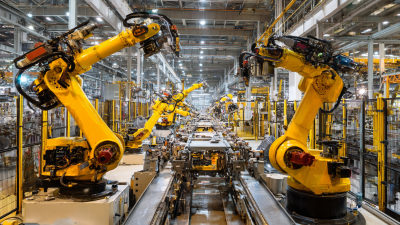
For automotive body panels, multi-axis spot-welding cells handle repeated joints at high volume. MIG/MAG robotic cells suit vehicle frames and general steel fabrication. Collaborative welding systems help small job shops automate short runs, though frequent repositioning can limit their value. Gantry robots cover large structural plates and long seams. Pipe-welding systems suit repeatable circumferential joints. TIG robots are a fit for thin stainless components requiring controlled heat. Adaptive systems with seam tracking help when parts vary slightly or fixtures are imperfect.
These choices matter as automation expands. The International Federation of Robotics’ World Robotics 2024 report counted
541,302 industrial robots installed worldwide in 2023, with
4,281,585 in operation. Those figures cover all industrial robot applications, not welding alone. They indicate a broad automation trend, but they do not guarantee a welding cell will pay off. Not every cell does. Before selecting equipment, assess weld length, changeover time, part fit-up, and operator access; a small fixture error can create repeated rework.
Tips: Run sample parts first. Record cycle time, weld defects, and changeover effort. Keep a manual fallback for unusual assemblies.
Essential Components and Automation Features
Robotic welding solutions differ less by appearance than by how well their components fit the job. A typical cell combines an articulated robot, welding power source, torch, wire feeder, workholding fixture, and safety enclosure. Controls coordinate travel speed, voltage, wire feed, and start-stop timing. Each setting affects the bead.
Seven useful configurations include articulated-arm cells, collaborative robot setups, gantry systems, track-mounted robots, dual-station cells, seam-tracking systems, and cells programmed offline. A gantry can cover long workpieces; a track-mounted arm can reach several fixtures. Dual stations let an operator load one part while another is being welded. Seam sensors can adjust the torch path when joints shift slightly. Offline programming helps reduce setup time, but the model still needs checking against the real fixture.
Reliable automation also depends on consistent parts and clear process checks. Clamps must hold pieces without blocking torch access, while extraction and guarding should suit the work area. Small gaps matter. A sensor may correct a modest seam variation, but it cannot fix poor fit-up or an unstable fixture. Even a capable cell can produce uneven welds when consumables wear or maintenance slips. That detail is easy to underestimate. The best choice is the configuration whose reach, tooling, and sensing match the actual joint and production rhythm.
Industries and Welding Tasks Suited to Each Solution
Robotic MIG/MAG welding suits automotive frames, agricultural equipment, and other parts with repeatable joints. It handles long fillet welds quickly. Robotic TIG systems fit stainless-steel food equipment, aerospace components, and thin sections where clean, controlled welds matter. They are slower, but precision is the point. Resistance spot welding is common in vehicle body shops, joining overlapping sheet metal at many fixed points. It works best when parts fit consistently.
Laser welding serves electronics, battery enclosures, and precision assemblies that need narrow seams and limited heat distortion. Plasma welding can suit thicker stainless components and demanding pipe or vessel work, though setup takes care. Collaborative welding systems help smaller fabrication shops handle short runs and frequent job changes. They still need thoughtful cell design and operator training. Track-mounted robots suit shipbuilding, structural steel, and long workpieces that exceed a fixed robot’s reach. Reach is useful, but alignment errors can spoil a long seam.
Tips: Match the process to material thickness, joint access, and production volume before choosing equipment. Test real parts, not just sample coupons. A small fit-up gap can change the result. Record weld settings and inspect trial parts; automation repeats mistakes just as reliably as good work.