Accordian Closable

2026 Top Automation Machine Trends for Future Industries?

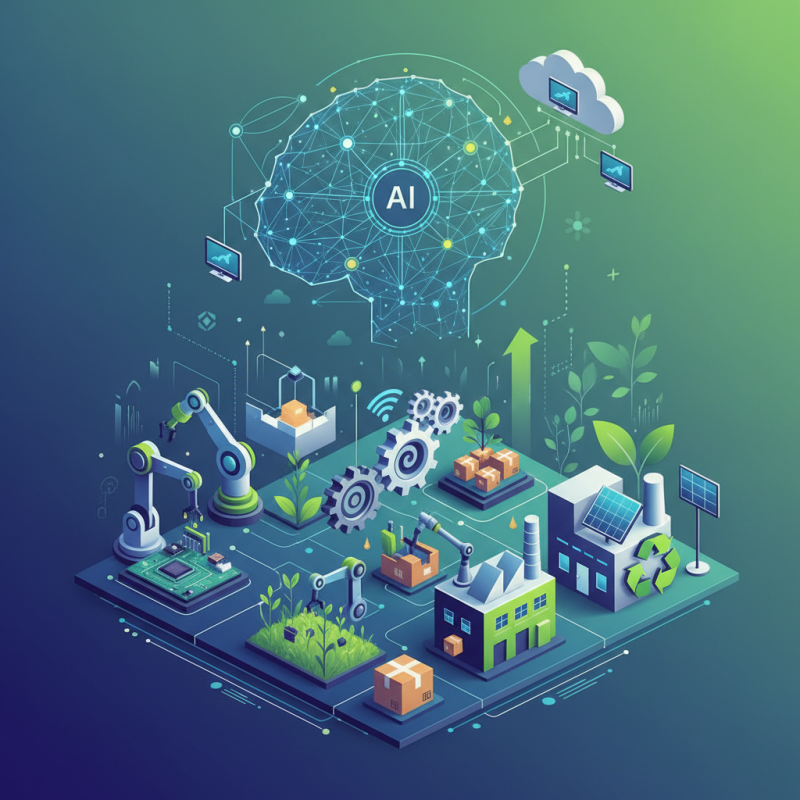
The world of automation machines is evolving rapidly. By 2026, trends will shape future industries significantly. According to a recent report, the global automation market is projected to grow to over $300 billion by 2026. This immense growth reflects the increasing demand for efficiency and productivity in various sectors.

Key trends include the rise of artificial intelligence integration and the expansion of IoT in automation machines. Companies are adopting smart technologies to streamline operations, yet some still hesitate to fully embrace these changes. The challenge lies in balancing innovation with existing workflows.

Moreover, sustainability remains a crucial factor. As industries implement greener automation solutions, the push for eco-friendly practices challenges manufacturers. The evolving landscape of automation machines presents both opportunities and complexities for businesses. A proactive approach will be vital in navigating this transformation.
2026 Top Automation Machine Trends for Future Industries?

Emerging Automation Technologies Shaping 2026 Industries

The automation landscape is evolving rapidly, driven by innovations in technology and increasing demand for efficiency. According to a recent report by the International Federation of Robotics, by 2026, the global market for industrial robots is expected to surpass $60 billion. This growth is largely propelled by industries seeking to reduce labor costs and enhance productivity. Automation is not just about robots; it's about integrating artificial intelligence, machine learning, and data analytics into manufacturing processes.

Emerging technologies are shaping industries in profound ways. For example, collaborative robots, or cobots, are designed to work alongside humans, making tasks easier. They are anticipated to increase efficiency by up to 30% in some sectors. Meanwhile, advancements in machine vision technology are improving quality control measures significantly. This tech can analyze thousands of products rapidly. Nevertheless, many companies struggle with integration. The gap between the technology and actual deployment remains an issue.

The Internet of Things (IoT) is also playing a key role in automation trends. By 2026, it's projected that 75 billion devices will be connected globally. This connectivity enables real-time data collection and analysis, allowing businesses to optimize operations. However, companies face challenges in managing this data effectively. Data security and privacy concerns are paramount. Industries must not only adopt these technologies but also ensure they address these critical issues.

2026 Top Automation Machine Trends for Future Industries

Trend Description Impact on Industry Expected Adoption Rate (%)
Artificial Intelligence Integration AI algorithms are optimizing processes and decision-making. Increased efficiency and reduced operational costs. 85%
Collaborative Robots (Cobots) Humans and robots working side-by-side on the production line. Enhanced flexibility and productivity. 70%
IoT-Enabled Automation Devices connected via the Internet of Things for real-time data sharing. Improved monitoring and predictive maintenance. 90%
Cloud-Based Automation Solutions Automation services hosted on the cloud enabling remote access. Scalability and cost reductions for software management. 75%
Advanced Robotics Use of advanced robotics for complex tasks in various industries. Greater precision and efficiency in production. 80%

Key Trends in Robotics and AI for Future Automation Solutions

2026 Top Automation Machine Trends for Future Industries?

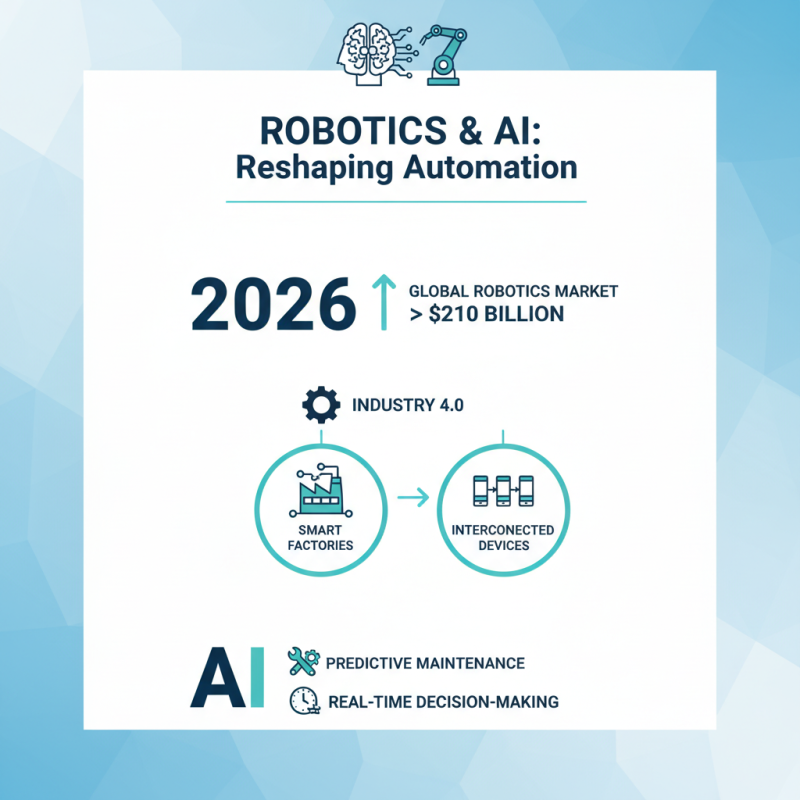
The convergence of robotics and artificial intelligence (AI) is reshaping automation. By 2026, the global robotics market could exceed $210 billion. Industry 4.0 is driving these changes. This era focuses on smart factories and interconnected devices. Businesses are adopting AI for predictive maintenance and real-time decision-making.

Robotic process automation (RPA) is gaining traction. A recent study showed that RPA could boost efficiency by 30% in some sectors. However, challenges remain. Integration of new systems with legacy technologies proves difficult. Companies often face resistance to change from employees. Their concerns around job security can hinder progress.

AI-driven robots are improving flexibility in production lines. They adapt quickly to new tasks. However, the technology isn’t perfect. Machine learning algorithms can produce biased results if not properly trained. It's crucial for industries to address these ethical considerations moving forward. Reliable data is essential for training AI more effectively and ensuring fair outcomes.

Impact of IoT on Automation Machine Development Trends

The Internet of Things (IoT) is revolutionizing automation machine development trends. Smart sensors and connected devices are becoming the norm in various industries. A recent report indicates that IoT-enabled automation systems can improve efficiency by up to 30%. Yet, this rapid change poses challenges for many companies.

Integration remains a significant hurdle. Many industries find it tough to unify traditional machinery with IoT technology. Moreover, concerns about security and data privacy are rising. Approximately 60% of organizations report facing difficulties in securing their IoT networks. This highlights the need for robust security measures as IoT adoption grows. Companies must rethink their strategies to stay competitive.

Data analytics plays a key role in this transformation. Automation machines equipped with IoT can collect vast amounts of data. An estimated 75% of businesses are looking to utilize real-time analytics for decision-making. However, many are not prepared for this data surge. The gap between needing insights and possessing the necessary tools is a challenge to address. This ongoing evolution demands continuous learning and adaptation across the board.

2026 Top Automation Machine Trends for Future Industries

This chart shows the projected growth of key automation machine trends influenced by IoT technology in various industries by 2026.

Sustainability and Energy Efficiency in Automation Equipment

2026 Top Automation Machine Trends for Future Industries?

As industries move towards automation, sustainability becomes more crucial. Energy efficiency in automation equipment can significantly reduce costs. Using smarter technologies leads to lower operational expenses and a smaller carbon footprint. It’s essential to evaluate energy consumption constantly.

Tips: Monitor energy usage weekly. Small changes can make a big difference.

Designing automation systems with eco-friendliness in mind is vital. This means selecting components that consume less power. Regular maintenance is necessary to keep machines running efficiently. Often, overlooked issues can lead to energy waste. Identifying these problems can lead to huge savings.

Tips: Schedule routine checks. They help to maintain efficiency.

At the same time, not every solution is perfect. Some automated systems may produce waste. Finding alternatives that harmonize efficiency and green practices can be challenging. Industries must reflect on their impact. Continuous learning and adaptation are key to achieving true sustainability in automation.

Adaptive Manufacturing Systems: The Future of Industrial Processes

Adaptive manufacturing systems are revolutionizing industrial processes. These systems adjust in real-time, responding to changes in demand or production conditions. They use advanced technologies like AI and IoT to enhance efficiency. By integrating machines, data, and workforce, manufacturers can optimize workflows and reduce downtime.

However, implementing adaptive systems isn't without challenges. Companies must manage the transition carefully. Training staff to work with new technologies can be daunting. Additionally, adapting existing infrastructure may require significant investment. Balancing innovation with practicality is key. Not every company will be ready for such drastic changes immediately.

As industries continue to evolve, adaptive systems will play a vital role. They promise flexibility and responsiveness that traditional systems often lack. But companies need to be cautious. Over-reliance on technology may lead to vulnerabilities. Finding the right balance between automation and human oversight is crucial. This evolving landscape demands reflection and continuous improvement.