
Accordian Closable

China Top 10 German Type Flame Lamination Machine Suppliers

China has become an important sourcing market for industrial flame lamination equipment. This guide examines China’s top 10 German Type Flame Lamination Machine suppliers through practical purchasing criteria, not promotional claims alone.

A German Type Flame Lamination Machine typically uses controlled flame treatment to bond materials such as foam, fabric, film, or nonwoven layers. Supplier quality depends on more than output speed. Burner stability, gas pressure control, flame-width adjustment, emergency shutoffs, and exhaust design deserve close attention. Factory experience matters here. A machine may look impressive during a short demonstration, yet perform differently during continuous production.

We assess each supplier’s manufacturing capability, technical documentation, customization support, and after-sales response. We also consider operating details, including roller alignment, cooling arrangements, operator access, and maintenance time. Real reference projects can reveal more than polished brochures. Ask for production samples, test reports, installation records, and clear warranty terms.

No ranking is universally perfect. Supplier information changes, and some companies communicate better than they manufacture. That is worth admitting. Buyers should verify certifications, visit factories when practical, and review local safety requirements before placing an order. A reliable supplier should explain limitations as clearly as advantages. It should also provide training for flame adjustment, gas-system inspection, and emergency procedures.

This introduction prepares readers to compare ten Chinese suppliers with greater confidence. The goal is not simply to find the lowest quotation. It is to identify equipment that remains stable, serviceable, and safe under real factory conditions.
China Top 10 German Type Flame Lamination Machine Suppliers

What Is a German-Type Flame Lamination Machine?

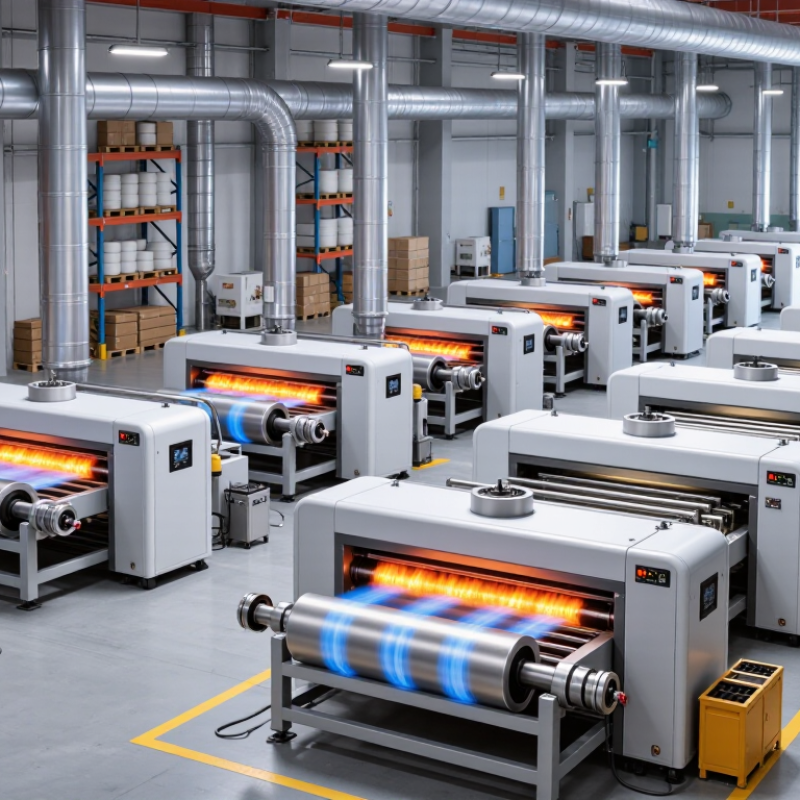
A German-type flame lamination machine bonds foam and fabric through controlled surface melting. An open gas flame briefly activates the foam surface. Pressure rollers then press the textile onto it. No liquid adhesive is required.

The term “German-type” describes a machine configuration, not a universal technical standard. It usually suggests precise flame control, stable roller pressure, and carefully designed safety interlocks. During production, operators adjust flame height, fabric tension, line speed, and cooling time. Small changes matter. Too much heat can shrink fabric or weaken foam. Too little heat creates peeling during washing or flexing.

According to Grand View Research, the global technical textiles market reached about USD 216.7 billion in 2022 and may grow at a 6.2% CAGR from 2023 to 2030. This expansion increases demand for consistent bonding in automotive interiors, furniture, protective garments, and insulation materials. Smithers also identifies lightweight, multifunctional nonwovens as a continuing growth area through 2028. Flame lamination supports that trend by reducing adhesive weight and simplifying some production stages.

In practice, a reliable machine should record peel strength, gas consumption, line speed, and surface temperature. Use real tests.

One detail is often overlooked. Foam density changes the correct flame window. A setting that works today may fail after a material change. Therefore, supplier evaluation should include trial runs, operator training, maintenance access, and documented safety validation. Mistakes happen, especially during fast production.

How German-Type Flame Lamination Technology Works

China Top 10 German Type Flame Lamination Machine Suppliers

German-type flame lamination technology bonds foam and fabric through controlled surface heat. A gas burner briefly contacts the foam surface. The heat melts its outer polymer layer without burning the core. Then, pressure rollers press the fabric onto the softened foam. As the layers cool, they form a continuous bond.

In practical production, operators adjust flame intensity, line speed, roller pressure, and fabric tension. A stable blue flame usually indicates cleaner combustion. Uneven flame exposure can create weak bonding or visible surface marks. Excessive heat may shrink the foam. Too little heat may cause peeling during later processing. Exhaust systems and gas controls must be checked before operation. These details support safer, more reliable production and consistent product quality.

Experienced technicians also inspect peel strength, foam thickness, and adhesive-free bonding performance at regular intervals. The correct settings depend on foam density, fabric structure, and production speed. There is no universal recipe. Small changes matter. I have found that operators sometimes trust machine displays too much. A visual inspection and a simple peel test can reveal problems earlier. Even precise equipment needs careful calibration, clean rollers, and trained judgment. Flame lamination looks simple from a distance, but its performance depends on many connected variables.

Key Criteria for Evaluating Chinese Machine Suppliers

When evaluating Chinese suppliers for German type flame lamination machines, inspect engineering evidence rather than catalog language. Ask for machine drawings, flame-control data, and a complete component list. A dependable supplier should explain burner design, gas pressure limits, web tension control, and nip-roll adjustment clearly. Vague answers deserve caution.

Request a live trial using your actual fabric, foam, and production speed. Watch flame stability, bonding width, surface damage, and adhesive consistency. Record temperature readings and line speed during the test. Ask for raw test reports, not selected photographs. The supplier should also provide operating manuals, maintenance schedules, training plans, and spare-parts lead times. Shorter delivery is not always better.

Safety deserves direct verification. Check emergency stops, flame-failure detection, guarding, ventilation, and gas-system documentation. Confirm that the equipment can meet the legal requirements of its installation country. Independent inspection may be worthwhile before shipment. Review the supplier’s factory history, quality-control process, and after-sales response time. Speak with recent customers if possible. A polished brochure is not proof. Even experienced buyers can overlook noise, cleaning difficulty, or unstable performance after several hours. Include these practical concerns in the acceptance test, because a machine that performs well for ten minutes may reveal weaknesses during a full shift.

The chart presents a practical weighting model for evaluating Chinese suppliers of German-type flame lamination machines. The criteria emphasize technical compliance, production performance, safety, service capability, customization, and delivery reliability rather than individual company or brand data.

Profiles of China’s Top 10 German-Type Machine Suppliers

China’s top ten German-type flame lamination machine suppliers are distinguished by engineering depth, testing discipline, and practical customization. Their profiles reveal different strengths rather than identical product claims. Several suppliers focus on stable flame treatment for foam, fabric, and coated materials. Others specialize in wide working widths, automatic edge control, or compact production lines. Their machines commonly include sealed gas trains, flame sensors, emergency shutoff systems, PLC control, and adjustable web tension.

One supplier profile highlights long-term export experience and detailed commissioning support. Another emphasizes stainless-steel frames, accessible burners, and simplified cleaning. A third focuses on high-speed production, while another develops low-volume machines for laboratories and small workshops. Some suppliers maintain in-house machining and assembly teams. This can improve spare-part consistency. Others depend more heavily on external component sourcing, which deserves closer inspection. Factory visits, sample trials, and production records provide stronger evidence than brochures.

Several suppliers offer operator training, remote diagnostics, and maintenance schedules based on running hours. Their technical teams can review material thickness, flame distance, line speed, and adhesive behavior before recommending a configuration. Safety documentation should be checked carefully, including pressure testing and electrical protection. Published output figures may change under real production conditions. That is worth questioning. A reliable comparison should include acceptance-test data, energy consumption, warranty response time, and references from similar applications. No supplier is perfect. The strongest profile is usually the one that explains its limitations clearly and corrects problems after installation.

How to Choose the Right Flame Lamination Supplier

When selecting a German-type flame lamination machine supplier, examine evidence before promises. Fortune Business Insights estimates the global textile machinery market will grow from about USD 26 billion in 2023 to nearly USD 36 billion by 2030. This expansion increases supplier choices, but not necessarily supplier quality. Ask for production records, material compatibility tests, and documented service response times.

A reliable supplier should explain flame height, burner width, line speed, and adhesive performance in practical terms. Request a live trial using your actual foam, fabric, and target grammage. Watch the bonding surface closely. Uneven melting, scorch marks, or edge lifting can appear within minutes. TÜV and ISO-related quality documentation can support confidence, but certificates alone cannot prove stable output. Real factory data matters more.

Energy use deserves careful review. The International Energy Agency reports that industry accounts for roughly 37% of global final energy consumption. Compare gas consumption per square meter, warm-up time, and heat recovery options. Also check spare-part availability, operator training, emergency shutdown testing, and remote diagnostics. A strong supplier provides clear drawings and maintenance intervals. Some quotations hide installation costs. That is an uncomfortable detail, but it affects the real budget. I would also request three customer references from similar materials, although references can still be selective. Judge the supplier through repeated technical evidence, not polished presentations.

China Top 10 German Type Flame Lamination Machine Suppliers - How to Choose the Right Flame Lamination Supplier

Supplier comparison by machine capability, configuration flexibility, compliance support, and after-sales service. Company names and brand identifiers are intentionally omitted.

Rank Supplier Code Primary Production Region Typical Working Width Typical Lamination Speed Compatible Materials Heating & Flame System Automation Configuration Safety & Compliance Support Customization Capability After-Sales Coverage Best Fit Overall Evaluation
1 Supplier A Jiangsu 1,600–2,400 mm 15–45 m/min PU foamFabricTextile composites Continuous gas burner with adjustable flame intensity and automatic flame monitoring PLC control, touchscreen HMI, tension control, automatic edge alignment CE documentation package; guarding, emergency-stop, and gas-leak protection options High; width, unwinding, cooling, and winding sections can be configured Remote commissioning, operating manuals, spare-parts support, installation training Automotive textiles, furniture fabrics, technical textiles ★★★★★
2 Supplier B Guangdong 1,600–2,200 mm 12–40 m/min FoamKnitted fabricNonwoven Gas-fired flame treatment with burner-height adjustment and independent zone control PLC/HMI control, servo-driven rollers, recipe storage, automatic shutdown alarms CE-oriented electrical and mechanical documentation; optional gas-train safety package High; suitable for single- and double-unwind configurations Video support, commissioning assistance, consumable and burner-component supply Medium- to high-volume upholstery and garment-material production ★★★★★
3 Supplier C Zhejiang 1,800–2,600 mm 10–35 m/min Polyester fabricPU foamLaminated fabric High-temperature burner assembly with flame-stability monitoring and cooling section PLC control, digital temperature and speed display, manual or automatic tension options Safety guarding and emergency-stop circuits; export documentation available by project Medium to high; roller layout and fabric-path modifications available Remote troubleshooting, spare-parts list, operator training, optional field service General industrial laminating applications requiring broad web width ★★★★☆
4 Supplier D Shandong 1,600–2,000 mm 10–30 m/min Open-cell foamFleeceCarpet backing Single-sided flame activation with adjustable burner-to-material distance Touchscreen control, inverter-driven motors, digital line-speed adjustment Basic guarding and emergency-stop system; conformity documents available for export orders Medium; standard machine layouts with selected options Remote installation guidance, manuals, replacement burners and rollers Cost-sensitive buyers and standard-width production lines ★★★★☆
5 Supplier E Fujian 1,600–2,400 mm 8–30 m/min Foam-backed textileSynthetic leatherNonwoven Adjustable gas burner with automatic ignition and flame-failure protection PLC control, photoelectric edge correction, automatic roll-change options Emergency-stop, protective covers, gas-pressure monitoring, export technical file Medium to high; roll diameter and edge-control options can be specified Installation support, remote diagnostics, spare parts, maintenance guidance Textile converters producing mixed material formats ★★★★☆
6 Supplier F Hebei 1,500–2,000 mm 8–25 m/min Polyurethane foamFabricsFilter media Compact flame-treatment module with adjustable gas-air ratio PLC or relay-based control, inverter speed control, basic tension adjustment Standard electrical safety features; project-specific conformity documentation Medium; economical customization for width and winding direction Remote technical support and commonly requested spare parts Small and medium production facilities with moderate output targets ★★★★☆
7 Supplier G Shanghai 1,800–2,600 mm 10–35 m/min Automotive fabricFoamComposite rolls Industrial burner system with flame-width adjustment and heat shielding PLC/HMI, servo synchronization, web-break detection, production-data monitoring options Detailed machine risk documentation and optional upgraded gas-safety components High; suitable for integrated unwinding, laminating, cooling, and rewinding lines Factory acceptance testing, commissioning support, training, technical documentation Automotive and technical textile projects with traceability requirements ★★★★☆
8 Supplier H Guangxi 1,600–2,000 mm 8–28 m/min FoamFeltDecorative fabric Single-burner or dual-burner configurations with manual flame adjustment Touchscreen speed control, inverter drive, basic roll-tension system Emergency-stop and protective enclosure; documentation depends on export destination Medium; standard modular options available Online support, operation videos, spare-parts recommendations Entry-level flame lamination and customized small-batch production ★★★☆☆
9 Supplier I Henan 1,500–2,200 mm 8–25 m/min TextilesFoam sheetsBacking materials Gas flame unit with adjustable burner position and basic flame-failure alarm PLC control, digital speed display, manual edge adjustment Standard emergency protection; buyer should confirm local gas and electrical requirements Low to medium; mostly standard machine configurations Remote support and replacement-part supply; field service subject to location Standard products where initial investment is the main consideration ★★★☆☆
10 Supplier J Jiangxi 1,600–2,000 mm 6–22 m/min PU foamFleeceLightweight fabrics Compact flame-lamination unit with manual burner and material-gap adjustment Basic PLC or relay controls, inverter speed regulation, manual roll handling Basic guarding and emergency-stop; buyer inspection recommended before shipment Low to medium; suitable for limited process variations Manuals, remote commissioning, standard spare parts, operator guidance Small-volume production and trial or sampling lines ★★★☆☆
Selection checkpoints: confirm the actual working width, tested line speed, gas type and pressure, material compatibility, flame-uniformity test results, emergency-stop and gas-leak protection, electrical standards, spare-parts availability, installation scope, warranty terms, and factory acceptance-test procedure before placing an order. Performance ranges are typical configuration ranges and should be validated against the supplier’s current technical quotation.