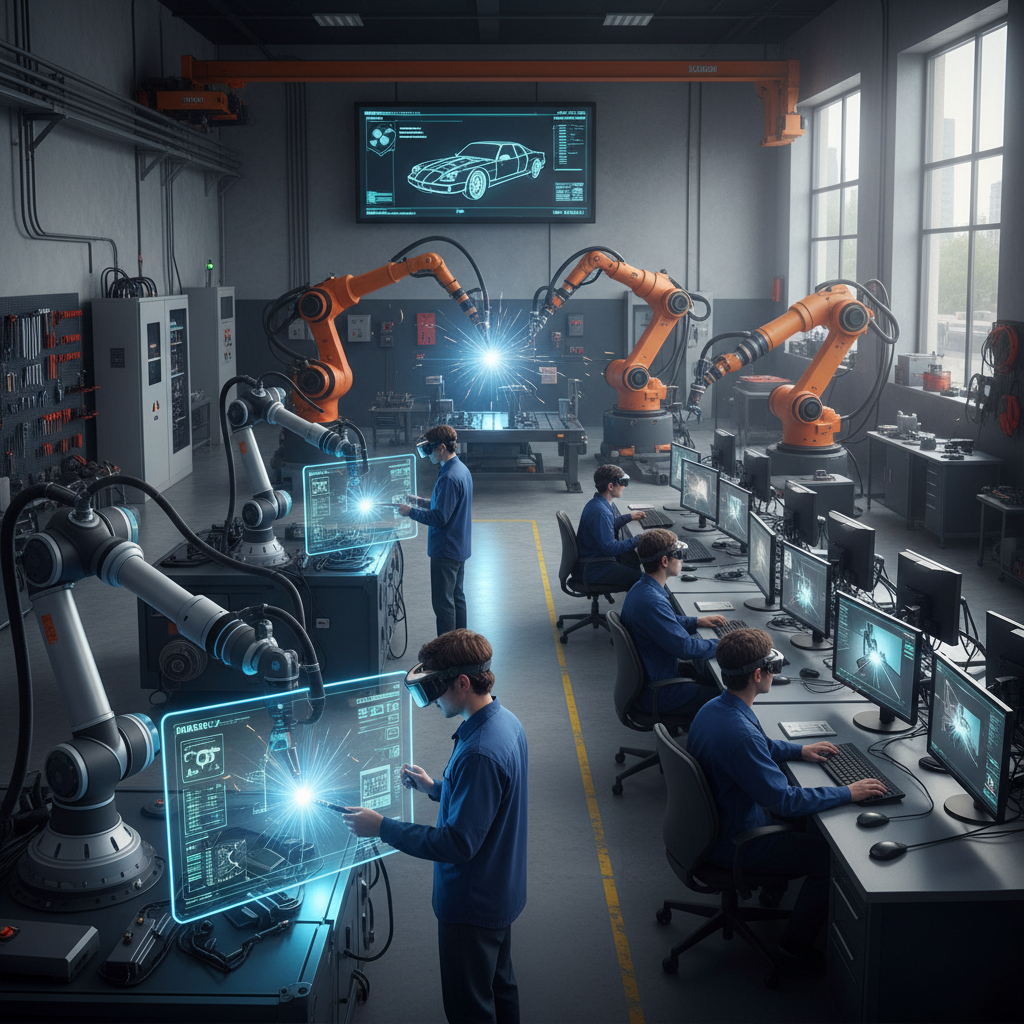
2025 Top 5 Robotic Welding Classes for Advanced Skills and Career Growth
As industries continue to embrace automation and advanced manufacturing techniques, the demand for skills in robotic welding is on the rise. According to a report by the International Federation of Robotics, the global market for industrial robots is projected to reach $70 billion by 2025, with welding applications accounting for a significant portion of this growth. This surge emphasizes the need for well-trained professionals who possess advanced skills in robotic welding, as companies seek to improve productivity, quality, and safety in their operations.

Robotic welding classes are designed to equip learners with the essential knowledge and hands-on experience needed to excel in this rapidly evolving field. With the welding industry increasingly relying on automation, individuals who participate in these classes are positioning themselves favorably for career advancement and opportunities within various sectors. Research indicates that skilled labor shortages in the manufacturing industry are expected to continue, making expertise in robotic welding not only a valuable asset but also a gateway to sustainable career growth.
As we look ahead to 2025, the top robotic welding classes will play a critical role in shaping the future workforce. By providing advanced training and a comprehensive understanding of robotic systems, these programs will empower individuals to take full advantage of the transformative potential of robotic welding technology, ultimately driving innovation and efficiency in manufacturing processes.
Emerging Trends in Robotic Welding Technology for 2025 and Beyond
In 2025, robotic welding technology is poised for significant advancements, influenced by emerging trends in manufacturing automation and robotics. The manufacturing landscape is experiencing a profound transformation, driven by innovations in industrial robotics, such as the shift from automation to autonomy. This evolution is underscored by the increasing adoption of mobile robots, capable of performing complex welding tasks with heightened precision and efficiency. The integration of artificial intelligence in robotic systems is facilitating smarter workflows, allowing manufacturers to optimize production processes and reduce downtime.
Moreover, the friction stir welding (FSW) market is projected to expand significantly, catering to diverse applications across industries such as aerospace, automotive, and shipbuilding. As companies invest in advanced robotic welding classes, they are equipping their workforce with essential skills to harness these technologies effectively. The focus on emerging technologies not only enhances operational capabilities but also fosters career growth opportunities for individuals pursuing advanced skills in robotic welding. As the industry continues to evolve, staying abreast of these trends will be critical for professionals aiming to thrive in the dynamic landscape of robotic manufacturing.
Top Educational Programs for Robotic Welding: Key Features and Industry Recognition
In the rapidly evolving field of robotic welding, specialized educational programs play a crucial role in equipping individuals with advanced skills necessary for career growth. The top programs distinguish themselves through their comprehensive curriculum, which often includes hands-on training with state-of-the-art equipment, simulation software, and real-world projects. With an emphasis on both technical proficiency and problem-solving abilities, these classes prepare students to tackle the diverse challenges faced in modern manufacturing environments.
Additionally, industry recognition is a vital factor that enhances the credibility of these educational programs. Many of the leading robotic welding classes are partnered with prominent organizations in the manufacturing sector, ensuring that their training aligns with current industry standards and practices. Alumni from these programs frequently secure positions in reputable companies, illustrating the effectiveness of the training provided.
As such, prospective students should prioritize programs that not only offer robust technical training but also boast strong ties to the industry, facilitating networking and job placement opportunities in their future careers.
Skills Required for Advanced Robotic Welding: Current Needs and Future Demands
In the ever-evolving landscape of industrial automation, robotic welding stands out as a crucial area for growth and innovation. According to the American Welding Society, the demand for skilled robotic welders is projected to grow by 15% over the next decade, highlighting the urgent need for advanced skills in the workforce. Mastery of robotics programming, understanding of weld parameters, and proficiency in interpreting CAD designs are essential to meet both current and future industry demands.
Furthermore, a recent report by MarketsandMarkets indicates that the global robotic welding market is expected to reach $6.73 billion by 2025, which underscores the importance of training programs that focus on advanced techniques. Learning to operate and maintain complex robotic systems, coupled with continuous improvement processes, can greatly enhance a welder's employability. As manufacturers increasingly integrate automation into their operations, professionals equipped with these specialized skills will not only advance their careers but also play a pivotal role in the industry's transformation.
2025 Top 5 Robotic Welding Skills Demand
This chart illustrates the demand for specific skills in robotic welding as of 2025, showcasing the most sought-after competencies that professionals need to advance their careers in this field. The data reflects current industry trends and anticipated future needs.
The Role of Certification in Advancing Careers in Robotic Welding
Certification plays a crucial role in the field of robotic welding, particularly for those aiming to advance their careers. As industries increasingly adopt automation, the demand for skilled operators who can effectively manage robotic welding systems has surged. Obtaining a certification demonstrates a deep understanding of both the technology and the techniques related to robotic welding, making certified individuals more competitive in the job market. Employers often prioritize candidates with certifications, as these credentials can indicate a higher level of expertise and commitment to ongoing professional development.
Moreover, certifications not only validate practical skills but also enhance theoretical knowledge in areas such as welding standards, safety practices, and equipment maintenance. For individuals looking to specialize further, advanced certifications can open doors to leadership roles and specialized positions within organizations. The investment in certification is an investment in one's career, paving the way for new opportunities and potential advancements in roles that require complex problem-solving and innovative approaches to welding challenges. In essence, obtaining certification can significantly elevate a professional's profile and contribute to sustained career growth in robotic welding.
Market Growth Projections for Robotic Welding: Opportunities for Professionals in 2025
As we look toward 2025, the market for robotic welding is projected to experience significant growth, offering numerous opportunities for professionals in the field. The increasing demand for automation in manufacturing processes is driving this trend, as companies seek to enhance efficiency, precision, and safety. With industries ranging from automotive to construction adopting robotic welding solutions, skilled professionals who can operate and maintain these advanced systems will be in high demand.
To stay competitive in this evolving landscape, individuals should consider enrolling in specialized training programs. One essential tip is to choose classes that not only focus on the technical aspects of robotic welding but also cover programming and troubleshooting skills. This holistic approach ensures a comprehensive understanding of the technology. Additionally, networking with industry professionals during training can open doors to job opportunities and mentorship, further aiding career growth.
Moreover, staying updated with emerging trends in robotic welding is crucial. Attend workshops, webinars, and conferences to familiarize yourself with the latest technologies and methodologies. Adaptability and continuous learning will equip you with the advanced skills necessary to thrive in this growing market, positioning you as a valuable asset to any organization.