Accordian Closable

10 Best Robotics Technician Skills for Global Hiring

Robotics is moving from specialized factories into warehouses, hospitals, laboratories, farms, and service operations. The International Federation of Robotics reported 541,302 industrial robots installed worldwide in 2023. Its World Robotics 2024 report also recorded more than 4.28 million operational industrial robots. These figures reveal a practical hiring challenge: companies need technicians who can keep complex machines safe, accurate, and productive.

A robotics technician may inspect a conveyor sensor at dawn, trace a faulty cable, or recalibrate a robotic arm within minutes. Technical theory matters, but reliable field judgment matters equally. The World Economic Forum’s Future of Jobs Report 2025 identifies robotics and autonomous systems as a major business-transforming technology. It also states that 39% of workers’ core skills may change by 2030. Hiring standards cannot remain frozen.

This guide examines ten skills that support global robotics hiring, including electrical troubleshooting, mechanical repair, programming, system integration, safety awareness, and data literacy. These capabilities reflect recurring demands across manufacturing and automation environments, while still allowing for regional differences in equipment and certification. No checklist is flawless. A technician who excels with code may struggle during a noisy mechanical failure. Another may diagnose hardware quickly but document poorly. That gap deserves attention.

The strongest candidates combine hands-on experience with disciplined learning. They read wiring diagrams, use diagnostic tools carefully, and communicate findings clearly across shifts and cultures. Industry reports provide useful direction, not a final verdict. Employers should validate each skill through practical tests, structured interviews, and evidence from real maintenance work. Reliability is built on details.
10 Best Robotics Technician Skills for Global Hiring

Core Duties and Scope of a Robotics Technician’s Role

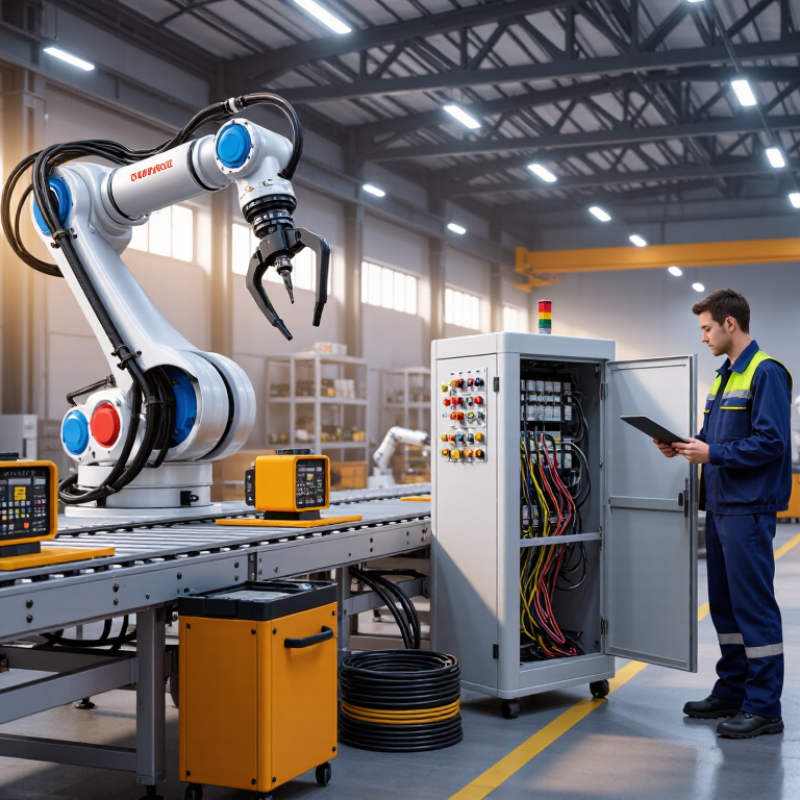
A robotics technician keeps automated equipment safe, accurate, and available during daily production. The role starts with installation, calibration, and functional testing. Technicians read electrical diagrams, mechanical drawings, sensor data, and software diagnostics. They connect motors, inspect wiring, adjust grippers, and verify motion limits before release. Small deviations matter. A misaligned sensor can stop a line or damage a component. Documentation is equally important. Each repair should record symptoms, measurements, actions, and remaining risks. This record helps another technician continue the work without guessing.

The scope extends beyond repair. Technicians schedule preventive maintenance, replace worn parts, support controlled upgrades, and train operators on safe procedures. They often work with engineers, production supervisors, and quality teams. Clear communication is a technical skill, not an optional soft skill. Global employers also value troubleshooting under pressure, basic programming, root-cause analysis, and disciplined safety habits. A strong technician knows when to stop and escalate an uncertain fault. That judgment protects people and equipment. Still, no technician diagnoses perfectly every time. Testing assumptions can reveal overlooked mechanical wear or incomplete instructions.

Tips: Build skills around real tasks. Practice using a multimeter, reading schematics, adjusting sensors, and writing concise service reports. Learn isolation procedures before touching moving equipment. Ask for evidence, not guesses. Keep a log of recurring faults and compare results after each adjustment. Short notes help. Review failures without blame, then improve the checklist. Reliability grows through repeatable work, careful observation, and honest reporting.

Essential Mechanical and Electrical Troubleshooting Skills

10 Best Robotics Technician Skills for Global Hiring

Essential Mechanical and Electrical Troubleshooting Skills

Robotics technicians need practical fault-finding skills, not only classroom knowledge. The International Federation of Robotics reported 541,302 industrial robots installed worldwide in 2023. That growing installed base increases demand for technicians who can restore equipment quickly and safely.

Mechanical troubleshooting begins with observation: unusual vibration, heat, noise, belt tension, and gripper alignment often reveal the first clue. Technicians should understand bearings, pneumatic systems, gearboxes, torque, lubrication, and preventive maintenance schedules.

Electrical diagnosis requires equal discipline. A strong technician can read wiring diagrams, test voltage safely, trace continuity, and identify failed sensors, relays, fuses, or motor connections. They should use a multimeter methodically, recording readings before replacing parts.

The U.S. Bureau of Labor Statistics projects employment for electro-mechanical and mechatronics technicians to grow from 2023 to 2033, supporting continued demand for these blended skills. Digital knowledge also matters, including basic PLC logic, network signals, and fault-code interpretation.

The best technicians document every intervention with clear measurements and photographs. Their notes help remote teams compare recurring failures across sites and languages.

Safety remains central; the Occupational Safety and Health Administration emphasizes energy isolation before servicing hazardous machinery.

A perfect diagnosis is rare. Experienced technicians still question their first assumption, especially when a sensor appears faulty but the real cause is misalignment or unstable power. That humility prevents repeated downtime.

Teams should assess candidates through practical tests, not certificates alone: a loose terminal, a noisy actuator, and an incomplete schematic can reveal real troubleshooting ability.

Programming, Automation, and Robotics System Integration

Robotics technicians support modern factories through programming, automation, and system integration. Strong candidates understand motion control, sensor feedback, industrial networking, and safe machine operation. They can read electrical drawings and translate production needs into reliable control logic. Programming remains central. Technicians may adjust sequences, test inputs, and diagnose timing errors under pressure. Small errors matter.

Automation skills extend beyond writing code. Technicians configure sensors, pneumatic devices, conveyors, and safety circuits for coordinated movement. During commissioning, they use meters, diagnostic screens, and simulation tests to locate faults before production begins. They also document changes clearly, so another technician can understand the system at midnight. That detail builds trust across international teams.

Robotics system integration requires patience and communication. A technician must connect mechanical equipment, software, controllers, and human workflows without creating hidden risks. Experience on a factory floor helps reveal practical problems, such as cable strain, poor sensor alignment, or awkward maintenance access. Not every solution works on the first attempt. Sometimes a faster program creates a harder repair later. Reflective technicians review failed tests, question their assumptions, and improve the design. Employers should assess this mindset through hands-on troubleshooting, structured interviews, and evidence of careful documentation. Reliable performance is more valuable than impressive terminology.

10 Best Robotics Technician Skills for Global Hiring

Programming, automation, and robotics system integration skills ranked by a normalized 0–100 priority index, based on occupational skill categories represented in O*NET and ESCO frameworks.

The highest-priority capabilities combine robot and PLC programming with system integration, troubleshooting, industrial networking, and functional safety. These skills support installation, commissioning, maintenance, and optimization across modern manufacturing environments.

Safety, Quality Control, and Preventive Maintenance Practices

Robotics technicians hired across borders need more than programming knowledge. Safety judgment, quality control, and preventive maintenance often determine whether a cell performs reliably. In my field experience, small habits matter: checking emergency stops, guarding, cable routes, and stored energy before touching equipment. A technician should follow documented lockout procedures and verify zero movement. Never assume the controller is harmless. Stop and inspect.

Quality work depends on repeatable evidence. Technicians should record torque readings, sensor checks, calibration dates, fault codes, and replaced parts. Clear records help teams compare results across shifts and countries. Visual inspection still matters. A loose connector or metal shaving can expose a deeper process weakness. I have seen rushed checks pass an initial test, then fail after several hours. That mistake deserves review, not concealment. Training should include root-cause analysis, measurement discipline, and communication with operators.

Tips: Build a practical skills test around a simulated cell. Ask candidates to identify hazards, isolate energy, inspect a gripper, and explain each decision. Include a controlled fault, such as intermittent sensor feedback. Assess whether they diagnose safely, document findings, and restore production without bypassing safeguards. Encourage honest uncertainty. Experienced technicians still miss details under pressure. A strong hiring process values careful questions, clean notes, and the courage to stop unsafe work.

Communication, Adaptability, and Skills for Global Employment

A strong robotics technician needs more than mechanical skill. Communication often determines whether a repair succeeds. Technicians explain faults clearly, ask precise questions, and confirm instructions before touching equipment. On global teams, this skill prevents costly misunderstandings across languages, time zones, and work cultures. Simple words help. So does patience.

The most valuable technicians combine electrical diagnostics, mechanical reasoning, programming basics, calibration, and safety awareness. They document each test with measured values, photographs, and clear maintenance notes. During remote support, a technician may describe a loose connector while a colleague watches a live video feed. Adaptability matters when tools, procedures, or team roles change unexpectedly. A dependable technician also learns local workplace practices instead of assuming one method fits every site.

I once trusted an error code too quickly and replaced a part unnecessarily. The real issue was a damaged cable near a moving joint. That mistake taught me to verify symptoms, inspect physical connections, and question my first conclusion. Global employment rewards this humility. Technicians must collaborate with engineers, operators, translators, and supervisors without becoming defensive. They also need reliable scheduling habits, cultural awareness, and the discipline to report uncertainty honestly. These behaviors build professional trust, especially when a production line cannot wait.