Top 10 Skills Every Robotics Technician Needs to Succeed in 2023
As we navigate through the rapidly evolving landscape of technology, the role of a robotics technician has become increasingly crucial. According to the U.S. Bureau of Labor Statistics, employment for robotics technicians is projected to grow by 10% from 2020 to 2030, a rate that surpasses the average for all occupations. This growth is driven by the rising implementation of automation and robotics in various industries, including manufacturing, healthcare, and logistics. With this trend, the demand for skilled professionals who can design, maintain, and troubleshoot robotic systems is at an all-time high.
To thrive as a robotics technician in 2023, individuals need a diverse skill set that not only includes technical expertise but also problem-solving abilities and teamwork collaboration. A report by the International Federation of Robotics indicates that the global robot density in manufacturing has reached an all-time high, showcasing the need for proficient technicians who can ensure that these complex systems operate efficiently. It is essential for aspiring robotics technicians to equip themselves with the top skills identified by industry experts, ranging from programming and mechanical engineering principles to data analysis and communication. By understanding and developing these competencies, technicians will be well-positioned to succeed in this dynamic field.

Essential Technical Skills for Robotics Technicians in 2023
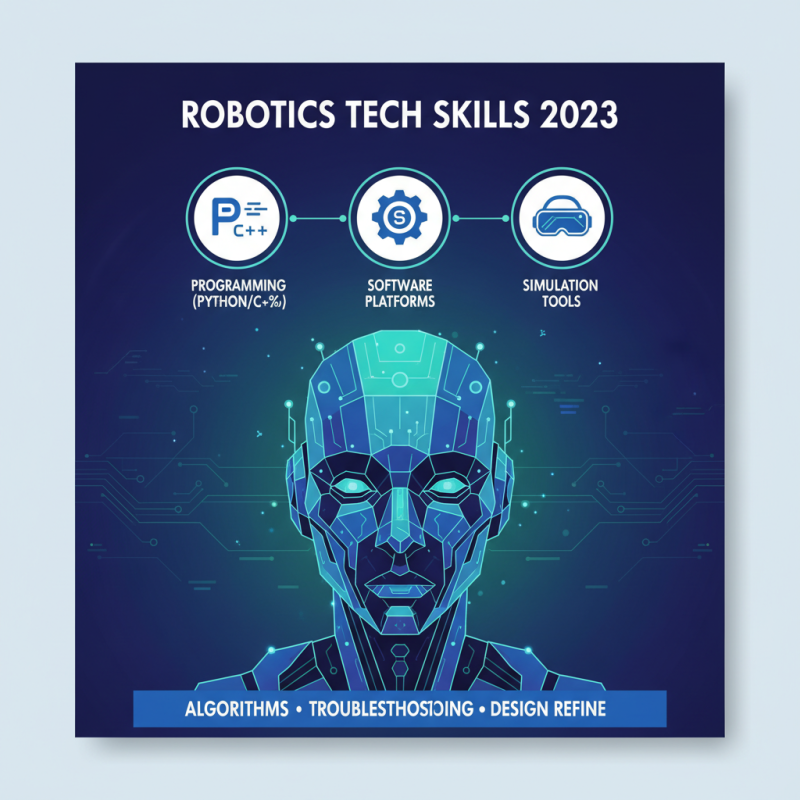
In the rapidly evolving field of robotics, technicians must cultivate a robust set of essential technical skills to thrive in 2023. One of the most critical skills is proficiency in programming languages, such as Python and C++, which are fundamental for developing algorithms that enable robots to perform tasks efficiently. Additionally, understanding robotics software platforms is crucial for programming and troubleshooting robotic systems. Familiarity with simulation tools allows technicians to test and refine their designs before implementation, ensuring higher accuracy and functionality.
Another key area of expertise is in electronics and embedded systems. Robotics technicians need to possess strong knowledge of circuit design, microcontrollers, and sensor integration, as these components play a significant role in building responsive and capable robots. Moreover, skills in mechanical design and CAD (Computer-Aided Design) software are invaluable, enabling technicians to create and modify physical prototypes effectively. As robotics continues to integrate with IoT and AI technologies, technicians also benefit from understanding data analytics and machine learning principles to optimize robot performance and enhance automation efficiency.
Importance of Programming Languages in Robotics Technology
In today's rapidly evolving landscape of robotics technology, programming languages play a crucial role in the skill set of robotics technicians. As automation and robotics continue to penetrate various industries, proficiency in programming languages such as Python, C++, and JavaScript is becoming increasingly essential. According to a report from the International Federation of Robotics, the global robotics market is expected to grow to $75 billion by 2025, highlighting the urgent need for skilled technicians who can leverage programming to design, develop, and maintain robotic systems.
Programming languages are not merely tools for coding; they serve as the foundation for creating intelligent systems that can adapt and perform complex tasks. A study by the Bureau of Labor Statistics indicates that jobs for robotics technicians are projected to grow by 10% from 2022 to 2032, further emphasizing the necessity of a solid programming background. Mastery of these languages allows technicians to write algorithms that enhance machine learning capabilities and improve automation processes, making them invaluable assets in manufacturing, healthcare, and beyond. As the field advances, those equipped with robust programming skills will be better positioned to innovate and drive future developments in robotics technology.
Understanding Robotics Hardware and Components
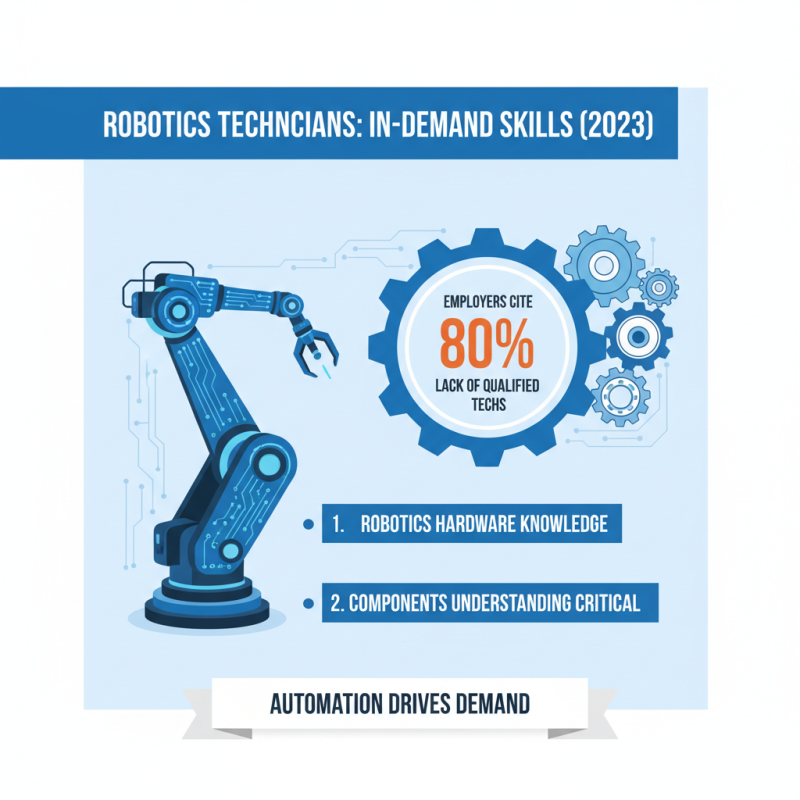
In 2023, the demand for skilled robotics technicians continues to surge as industries increasingly integrate automation into their operations. A strong understanding of robotics hardware and components is critical for technicians to navigate this evolving landscape. According to a report by the Robotics Workforce Development Initiative, nearly 80% of employers cite a lack of qualified technicians in the workforce, emphasizing the necessity of comprehensive knowledge in robotics hardware.
Key components such as sensors, actuators, and controllers form the backbone of robotic systems. Technicians must grasp how these elements interact to design, troubleshoot, and maintain robotic systems efficiently. The International Federation of Robotics reports that the global stock of operational industrial robots reached 3 million units in 2022, reinforcing the importance of skilled technicians capable of managing these complex systems. Technicians equipped with this knowledge can ensure optimal performance and longevity of robotics systems, enabling companies to enhance productivity and reduce downtime.
**Tip:** Regularly update your skill set by participating in online courses or workshops focused on advancements in robotics technology.
Moreover, hands-on experience with various robotic platforms allows technicians to gain insights into practical applications of hardware components. Understanding differences in hardware specifications and capabilities can aid technicians in selecting the right parts for specific applications, ultimately improving efficiency. According to a recent study, companies that invest in ongoing training for their technical staff report up to a 25% increase in productivity due to enhanced capability and quicker problem-solving skills.
**Tip:** Collaborate with peers in the field to exchange knowledge about new tools and methods that can optimize your work processes.
Troubleshooting and Problem-Solving Techniques in Robotics
In the fast-evolving field of robotics, troubleshooting and problem-solving skills are essential for technicians. Effective troubleshooting begins with a systematic approach: clearly define the problem, gather data, and analyze potential causes. A technician should familiarize themselves with the various components of a robotic system, as well as common failure points. By isolating specific issues, they can apply targeted solutions rather than resorting to unspecified fixes, making the repair process more efficient.
Tip: Maintain a detailed log of previous issues and fixes. This not only provides a reference for future troubleshooting but also helps identify recurring problems, enabling a technician to devise preventive measures.
Additionally, hands-on experience is crucial. Technicians should engage in regular practice with different robotic systems to refine their skills in diagnosing and solving a variety of issues. Collaborating with colleagues enhances learning, as sharing experiences can lead to more effective problem-solving strategies.
Tip: Join robotics forums or local technician groups to exchange insights and techniques. Networking with others in the field can provide valuable information on advanced troubleshooting methods or different perspectives on tackling complex issues in robotics.
The Role of Soft Skills in a Robotics Technician's Career
In the ever-evolving field of robotics, technical skills alone are not sufficient for success. As robotics technicians increasingly engage with multidisciplinary teams, the importance of soft skills cannot be overstated. Effective communication stands out as a pivotal soft skill; it enables technicians to convey complex ideas clearly to team members from different backgrounds, ensuring that everyone is aligned on project goals and technical challenges. Moreover, strong problem-solving skills empower technicians to navigate unexpected hurdles, fostering an adaptive mindset that is crucial in a rapidly changing industry.
Collaboration and teamwork are also essential in the robotics sector. Technicians often work alongside engineers, designers, and project managers, making it vital to be able to work harmoniously with others. Practicing empathy and active listening aids in building a positive work environment, which enhances productivity and innovation. Furthermore, adaptability and emotional intelligence enable technicians to handle the stresses of tight deadlines and shifting priorities, positioning them as valuable members of their teams. In summary, cultivating these soft skills enriches the technical expertise of robotics technicians, setting them up for a thriving career in 2023 and beyond.