
Accordian Closable

Why Choose a Hot Sealing Machine for Packaging?

Why Choose a Hot Sealing Machine for Packaging?

Packaging decisions often look simple until a weak seal causes leakage, contamination, or customer complaints. A Hot Sealing Machine creates controlled heat, pressure, and contact time. These three factors help close thermoplastic films, laminated pouches, sachets, and coated bags with consistent results.

Packaging machinery specialist John Henry explains, “A package is only as strong as the seal that protects it.” This practical observation reflects daily production experience. A properly adjusted machine can produce clean, even seals across thousands of packages. Operators can monitor temperature settings, sealing pressure, and dwell time instead of relying only on manual judgment.

Consistency matters.

In a busy packing line, small differences become expensive. A crooked pouch may leave a narrow unsealed edge. Excessive heat may wrinkle the film or damage a sensitive product. Insufficient pressure can create a seal that looks acceptable but opens during transport. These problems show why equipment selection must match the film structure, package size, and production speed.

A Hot Sealing Machine can also improve workflow. Foot-operated models suit small workshops, while continuous band sealers support higher output. Automatic systems may reduce repetitive labor and improve seal uniformity. However, automation is not a cure-all. Poor calibration, dirty sealing jaws, or unsuitable packaging material can still undermine performance.

Reliable results require testing.

Before full production, experienced teams inspect seal width, appearance, strength, and opening behavior. They also record settings for repeatable operation. No machine removes every packaging risk. Yet the right Hot Sealing Machine provides a measurable, practical foundation for safer and more dependable packaging.
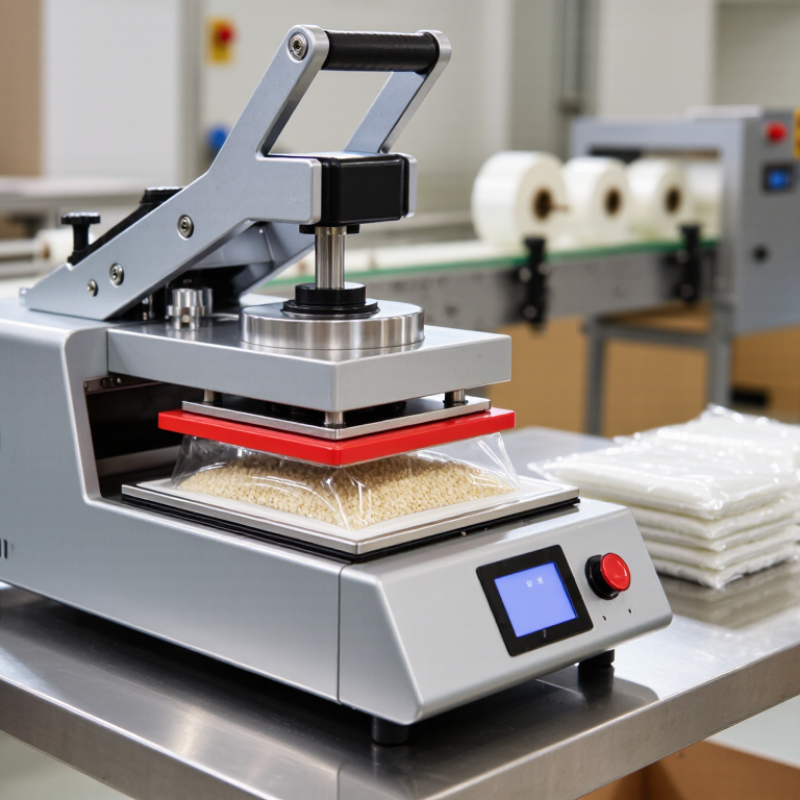
Why Choose a Hot Sealing Machine for Packaging?

What Is a Hot Sealing Machine?

A hot sealing machine closes packaging by applying heat, pressure, and controlled contact time. It joins heat-sensitive layers, such as plastic film or coated paper, along a clean sealing area. Common models use heated jaws, rollers, or continuous bands. The machine’s temperature controller manages heat, while a timer controls sealing duration. Pressure helps the layers bond evenly.

This process supports pouches, sachets, bags, and tray covers. A strong seal protects contents from moisture, dust, and air exposure.

However, appearance can mislead. A smooth seal may still open during handling. Material thickness, surface cleanliness, and machine calibration all affect performance.

In routine quality checks, operators should test sealed samples after cooling. A seal that feels secure immediately may weaken later. That detail is easy to overlook.

Tips: Match the machine temperature to the packaging material. Start with a moderate setting. Inspect the seal width and edges. Remove crumbs, liquid, or wrinkles before sealing. Record temperature, pressure, and dwell time during production. Small adjustments matter. Never assume one setting suits every film. A short trial run can reveal uneven bonding, burnt edges, or hidden channels before larger batches begin.

How Does a Hot Sealing Machine Work?

A hot sealing machine joins thermoplastic packaging through controlled heat, pressure, and dwell time. Heated jaws or continuous bands soften the inner polymer layer. Pressure then presses both surfaces together. As the seal cools, the layers form a tight bond. The process resembles pressing two warm films together, but timing matters greatly.

Temperature must match the film structure. Too little heat creates weak channels. Excessive heat can wrinkle the pouch or burn its coating. According to the Flexible Packaging Association’s 2023 U.S. industry data, flexible packaging generated about 21% of the total packaging market by value. This scale explains the need for repeatable sealing. PMMI’s 2023 packaging machinery trends also emphasize automation, inspection, and reduced material waste. In practice, the first setting is rarely perfect. A clean seal can still fail under pressure.

Tips: Test temperature, pressure, and dwell time together. Do not adjust only one variable. Use sample pouches filled with the real product, because moisture, powder, or oil can enter the seal area. Check seal width visually, then perform peel or burst tests. ASTM F88 seal-strength testing can help compare results consistently. Record each setting and the failure pattern. Small wrinkles matter. They often signal uneven pressure or poor film alignment. A short cooling period may improve strength, although this step is sometimes overlooked.

What Packaging Materials Can It Seal?

Hot sealing machines work best with packaging materials that contain a thermoplastic sealing layer. Common examples include polyethylene, polypropylene, and multilayer plastic films. These materials soften under controlled heat and form a tight bond when pressure is applied.

Flexible pouches often use laminated films. One layer provides strength, while another layer creates the seal. Aluminum foil laminates can also be sealed when their inner surface includes polyethylene or another compatible coating. Coated paper is suitable in some applications, especially for sachets and small bags. Plain paper is not enough. Glass and uncoated metal cannot be sealed directly by heat.

In practical packaging trials, I check the material structure before adjusting the machine. A film may look suitable but still seal poorly. Seal temperature, pressure, and dwell time must match its inner layer. Too much heat can wrinkle the film or weaken the package edge. Too little heat leaves tiny channels for air or moisture. Small defects matter.

Clean surfaces help produce reliable seals. Dust, oil, and product residue can interfere with bonding. I usually test several sample bags, then inspect the seal by hand and with a simple strength test. For food or medical packaging, technical documents and required contact standards should guide material selection. Even experienced operators need to retest after changing film thickness, coating, or filling conditions.

Why Choose Hot Sealing for Packaging?

Hot sealing is a practical choice when packaging needs a clean, dependable closure. It joins thermoplastic layers through controlled heat, pressure, and sealing time.

In packing trials, the seal often feels smooth and even under gentle pulling. It looks simple.

The process works well for pouches, liners, films, and many flexible bags. A heated bar softens the inner layers without adding glue or liquid adhesive. This can reduce mess around the package opening.

It also supports efficient production because sealing takes only a few seconds. Operators can adjust temperature and pressure for different film thicknesses. Small adjustments matter. Too much heat may wrinkle the film or weaken its structure. Too little heat can leave hidden channels where moisture or air enters.

A reliable process needs more than a hot machine.

I have seen attractive seals fail after rough handling because the film was dusty near the closure. Regular checks should include visual inspection, peel testing, and sample storage under expected conditions. Seal strength may change after cooling, transport, or repeated handling.

The first trial is rarely perfect. That is worth remembering.

Materials vary, machine settings drift, and operators may apply pressure unevenly. Clear work instructions and recorded test results make the process more consistent. Packaging teams should also confirm that the chosen materials and testing methods meet applicable safety and quality requirements.

How to Select the Right Hot Sealing Machine?

Choosing the right hot sealing machine starts with the package, not its advertised speed. Identify the film structure, thickness, pouch width, and expected production volume. Polyethylene-based films may seal differently from laminated barrier films. Ask for samples and run actual trials. Small details matter.

During testing, record temperature, sealing time, pressure, and cooling time. A reliable seal should remain even across its full width. Look for wrinkles, burn marks, pinholes, or open corners. Check sealed packages after bending, dropping, and storing them while filled. These practical tests expose weak settings. I once treated sealing temperature as the main setting. That was a poor assumption. Pressure and dwell time can matter just as much. Machines with adjustable jaws and clear controls are easier to tune. Still, digital numbers do not prove seal quality.

Consider jaw design, sealing width, operating speed, and the available workspace. A foot pedal may suit occasional packing, while automated feeding supports higher output. Confirm that guards, emergency stops, and temperature controls are included. Ask for maintenance intervals, calibration guidance, spare-part access, and operator training. Request a realistic output test using your own packaging materials. A machine that runs quickly but creates inconsistent seals causes waste and rework. I would choose a slower, stable machine over a fast unit that needs constant correction. Room temperature, film rolls, and filling levels may still require adjustments. That ongoing judgment is easy to underestimate.

Why Choose a Hot Sealing Machine for Packaging?

How to Select the Right Hot Sealing Machine

Why hot sealing? Hot sealing creates a continuous, hygienic closure without adhesives, supports high-speed packaging lines, and can be adapted to many flexible packaging structures.

How to select the right machine: Match the sealing jaws and temperature-control range to the packaging material. The chart shows typical starting temperature windows used for common structures; actual settings depend on film thickness, coating, dwell time, pressure, and production speed.

  • Choose adjustable temperature and dwell-time controls for different packaging formats.
  • Select wider or multi-lane sealing jaws when higher throughput is required.
  • Use pressure control and cooling time to improve seal strength and appearance.
  • Validate the final settings with seal-strength, leak, and visual-quality tests.