
Accordian Closable

Why Do Sealing Rings Fail?

Why Do Sealing Rings Fail? The answer is rarely just “wear.” Sealing Rings operate under changing pressure, temperature, motion, and chemical exposure. A ring that looks suitable on a parts list may still fail in its actual operating environment. Small details matter: a sharp groove edge, a scratched shaft, or a seal installed with a twist can create a path for leakage. Sometimes the cause is less obvious. The material may harden over time, swell after fluid contact, or lose its ability to recover after repeated compression.

Failure leaves clues. A flattened cross-section may point to excessive compression or long service. Cuts and spiral marks can suggest installation damage or movement against a rough surface. Cracks may indicate heat, aging, or an incompatible material, though appearance alone cannot confirm the cause. It is tempting to replace the ring and move on. That may solve the immediate problem, but not the reason it happened. A replacement can fail just as quickly if the groove dimensions, surface finish, pressure, or fluid are overlooked.

A reliable investigation starts with the application, not guesswork. Record operating conditions, inspect mating surfaces, and compare the failed ring with an unused one. Check the manufacturer’s guidance for material limits and installation practices. Even then, diagnosis is not always neat; more than one factor may contribute. That uncertainty deserves attention. Understanding why Sealing Rings fail helps teams choose better replacements, reduce repeat leaks, and make maintenance decisions based on evidence rather than habit.
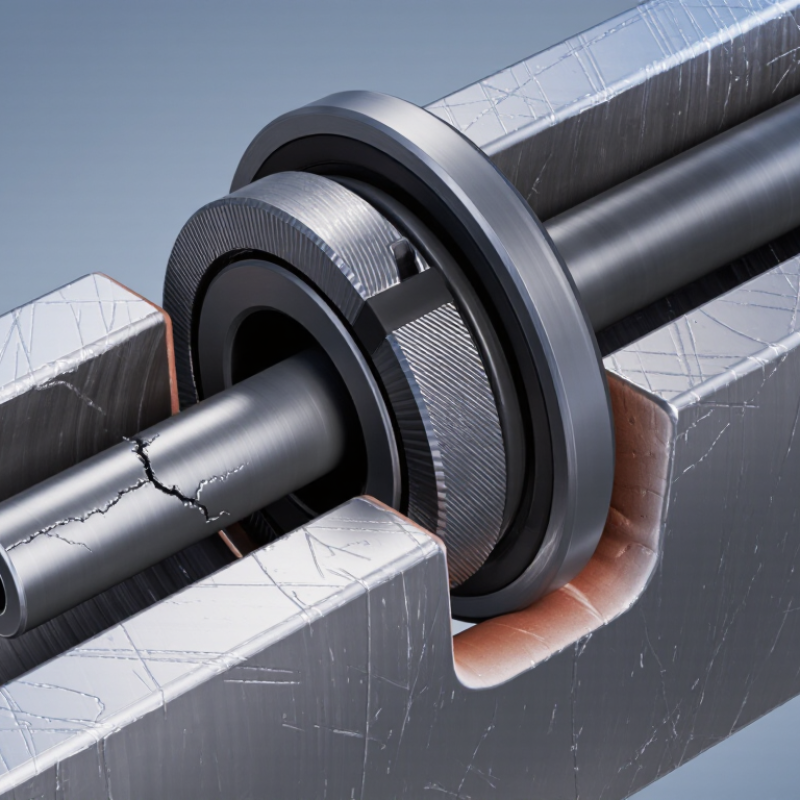
Why Do Sealing Rings Fail?

Common Failure Modes in Sealing Rings

Sealing rings most often fail through compression set, extrusion, chemical attack, abrasion, or installation damage. Compression set leaves a flattened ring unable to press firmly against its mating surface. Extrusion can occur when pressure pushes elastomer into a clearance gap, creating a shaved or bitten edge. Small damage matters.

Temperature can worsen these failures. NASA’s 1986 Rogers Commission report examined how cold affected O-ring response during the Challenger investigation; launch-day air temperature was reported as 36°F (2°C). The report highlighted delayed sealing response as a serious concern. In service, a ring that stiffens in cold conditions may not recover quickly enough when pressure changes. Heat can also harden or soften elastomers, while incompatible fluids may cause swelling, cracking, or loss of strength.

Installation problems are less dramatic, but common: a twisted ring, sharp-edged groove, or dry assembly can create a leak path before operation begins. Look for flat spots, cuts, swelling, and polished wear marks during inspection. Match material, pressure, temperature, and fluid exposure to the application, then verify groove dimensions. A useful caution: visual checks cannot reveal every chemical or heat-related change.

How Pressure, Temperature, and Motion Cause Damage

Pressure can damage a sealing ring even when the seal looks correctly sized. A pressure spike may push soft material into the clearance between metal parts, creating a thin, bitten-looking edge. Repeated spikes can turn that small extrusion into a leak path. Check the gap, pressure range, and ring hardness together; changing only one may not solve the cause. Small details matter.

Temperature changes the material’s behavior. Heat can harden or soften an elastomer, while prolonged exposure may leave it flattened after the load is removed. Cold can reduce flexibility, making the ring less able to follow a moving surface. A temperature rating is useful, but it does not describe every fluid, dwell time, or heating cycle. That distinction is easy to miss.

Motion adds friction and wear. A sliding shaft with a rough finish can scrape the ring, while poor alignment may wear one side more than the other. Look for polished bands, fine cuts, swelling, or uneven flattening, and compare them with the operating conditions. Also check lubrication and installation damage. A torn edge might come from assembly, not pressure.

The evidence is not always neat. When the failure pattern is unclear, record the seal’s position and operating temperature before replacing it.

Material and Chemical Compatibility Problems

Why Do Sealing Rings Fail?
Material and Chemical Compatibility Problems

A sealing ring may appear intact yet leak after a few hours of service. The fluid can swell an elastomer, soften it, or extract ingredients from its surface. Other chemicals cause shrinkage, hardening, or fine cracks. Temperature and pressure can accelerate these changes. A ring exposed to cleaning fluid during shutdown may fail before the main process resumes. Small details matter.

Compatibility depends on more than the chemical name. Concentration, temperature, contact time, and mixed fluids all affect performance. Even water-based cleaners can challenge a material when heat or additives are involved. Check a reliable compatibility chart, then compare its limits with actual operating conditions. A chart is a starting point, not a promise; that distinction is easy to miss. If failure could cause serious problems, test a sample or consult a qualified sealing specialist. Keep the failed ring for inspection. Swelling, a sticky surface, or brittle edges can offer clues, though damage may have several causes.

Tips: Record the fluid, temperature, pressure, and cleaning cycle. Inspect rings after shutdown, not only when leaks appear. Replace rings with cracks, unusual softness, or permanent flattening.

Why Do Sealing Rings Fail?

Material and Chemical Compatibility Problems

Heat can accelerate hardening, softening, and loss of sealing force. The chart shows indicative upper continuous service temperatures; actual limits vary by compound and conditions. Chemical compatibility must also be checked for the specific fluid, since an incompatible material may swell, crack, or deteriorate even below its temperature limit.

Installation and Design Factors Behind Failure

Why Do Sealing Rings Fail?

Installation and Design Factors Behind Failure

A sealing ring can look sound and still leak after installation. A small twist in the groove may create uneven contact, while a sharp edge can nick the ring during fitting. Dirt is another quiet culprit. One metal shaving can form a leak path once pressure rises. Technicians should check the groove, mating surfaces, and ring for damage before assembly. Use suitable tools, and avoid stretching the ring farther than the design requires. In practice, rushed installation is easy to blame, but the dimensions may be wrong too.

Design choices matter just as much. Too little squeeze may leave gaps; too much can flatten the ring and speed wear. If the clearance between parts is excessive, pressure may push the material into that gap. Temperature, fluid compatibility, and repeated pressure changes also affect performance. A ring that works in a cool test may harden or swell in service. Small details matter. When failures recur, inspect the failed ring’s shape and wear marks, then compare them with groove dimensions and operating conditions. The first explanation is not always the right one. A fresh ring may hide a design mismatch for a while.

Inspection and Maintenance Practices That Reduce Failure

Why Do Sealing Rings Fail?

Regular inspection can reveal wear before a sealing ring starts leaking. Check for cracks, cuts, flattened areas, swelling, and hardened surfaces. Small marks matter. Look closely at the ring and its groove under bright light, especially after disassembly. Dirt or a tiny metal burr can damage a new ring during installation.

Clean the groove with a lint-free cloth and a fluid compatible with the seal material. Avoid sharp tools that may nick the surface. Check for corrosion, scratches, and uneven compression. Confirm that the ring size and material suit the operating fluid and temperature. A ring may look sound but still be unsuitable for the service conditions.

During installation, use clean tools and prevent twisting or stretching the ring. Apply only a compatible lubricant, and follow the equipment maker’s instructions for replacement intervals and fit. Replace rings that are damaged or whose condition is uncertain. Record leaks, operating temperatures, and time in service; these details can help identify repeated problems. A checklist helps, but it can miss an issue. Review it when failures keep returning.

Why Do Sealing Rings Fail? - Inspection and Maintenance Practices That Reduce Failure
Failure Mode Common Contributors Inspection Clues Maintenance Practices That Reduce Risk
Compression set Long-term compression, excessive temperature, or an elastomer not suited to the service conditions. The ring remains flattened after removal, has lost resilience, or no longer fills the gland effectively. Check service temperature and material compatibility; inspect for loss of elasticity and replace rings that cannot recover their shape.
Extrusion or nibbling Excessive pressure, a large clearance gap, pressure spikes, or inadequate support for the ring. Small bites, missing material, or a ragged edge on the low-pressure side of the seal. Check clearances and pressure conditions against the equipment design; inspect the gland and consider an appropriate backup ring where specified.
Cutting or installation damage Sharp edges, burrs, damaged threads, twisting, stretching, or tools that nick the ring during fitting. Localized cuts, pinches, spiral marks, or damage concentrated near the installation path. Deburr and protect lead-in edges, use suitable installation tools, avoid twisting, and lubricate only with a compatible lubricant when permitted.
Abrasion or wear Relative movement, vibration, poor lubrication, misalignment, or rough or damaged mating surfaces. A polished, flattened, scratched, or unevenly worn surface; wear may be concentrated on one side. Inspect mating surfaces and alignment; investigate vibration or side loading; verify that lubrication and seal design suit the movement.
Chemical attack or swelling Fluid incompatibility, incorrect material selection, or exposure to cleaning chemicals or process contaminants. Swelling, softening, shrinkage, hardening, discoloration, or a tacky or cracked surface. Confirm compatibility with all service and cleaning fluids at operating conditions; inspect for material changes and replace affected rings.
Contamination or surface damage Dirt, metal particles, degraded fluid, corrosion, or debris trapped in the gland or against the sealing surface. Embedded particles, cuts, scoring, or leakage that recurs after a ring has been replaced. Clean the gland and mating surfaces during service, identify and remove the contamination source, and inspect the hardware before installing a replacement.
Inspection note: Compare findings with the equipment design and the seal material’s specified service limits. Replace damaged rings rather than reinstalling them, and investigate the underlying cause of recurring leakage.

Article Source: