How to Implement Fanuc Automation in Your Manufacturing Process?
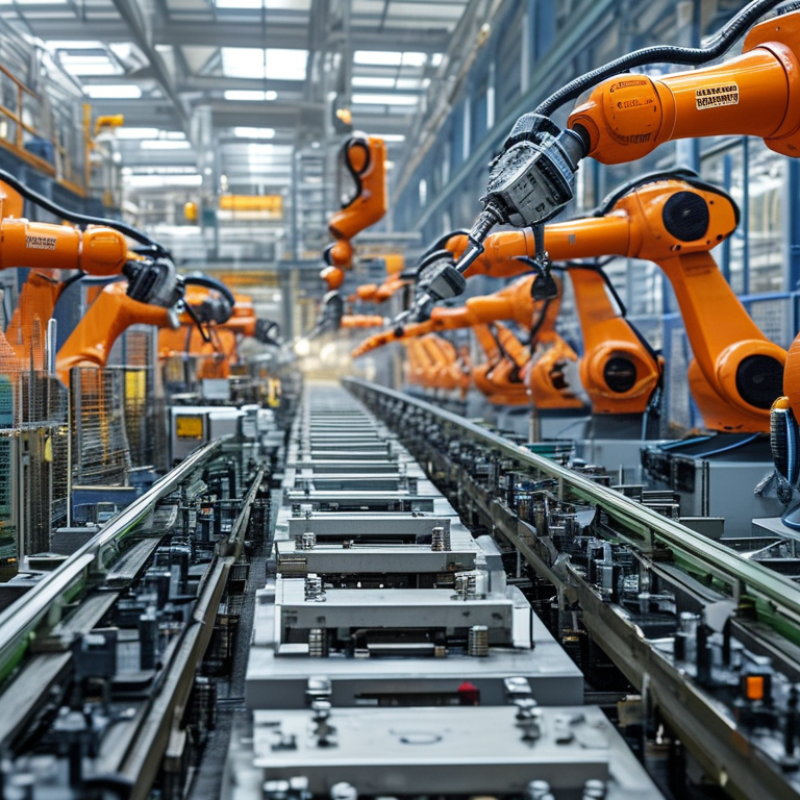
In today's competitive manufacturing landscape, implementing fanuc automation is crucial for enhancing productivity. Many manufacturers seek to optimize processes, reduce downtime, and improve product quality. Fanuc automation offers advanced robotics and intelligent systems designed to streamline operations.
By integrating fanuc automation, businesses can experience significant gains. This transition may present challenges, such as workforce adaptation and system integration. However, the potential rewards—like decreased labor costs and increased efficiency—can make these efforts worthwhile.
Data shows that companies that embrace fanuc automation often report improved operational metrics. Yet, the journey requires patience and a willingness to learn from setbacks. Assessing the right technology for your specific needs is vital. Exploring existing fanuc solutions can lead to better decisions and successful implementations.
Understanding Fanuc Automation Systems and Their Benefits
Fanuc automation systems offer numerous benefits for modern manufacturing. They streamline operations, reduce human error, and improve productivity. Integrating these systems can yield significant gains in efficiency. They support various tasks, such as assembly, painting, and quality control.
Implementing Fanuc automation can also lead to cost reductions. Machines operate continuously and with precision. This reduces waste and maximizes output. However, companies should not overlook the need for proper training. Employees must understand how to operate these systems effectively.
Tips for successful integration include starting small. Pilot projects allow for adjustments before full-scale implementation. Regular maintenance of the automated systems is crucial—this helps prevent unexpected downtime.
Collect feedback from operators; their insights are valuable for improvement. Understanding the technology is key, yet it's essential to remain adaptable. The manufacturing landscape changes frequently, and staying current is vital.
Assessing Your Manufacturing Needs for Automation Implementation
Assessing your manufacturing needs is crucial before implementing automation. Start by analyzing current processes. Identify inefficiencies and bottlenecks. This assessment helps you understand where automation can make a real impact. For instance, tracking cycle times can reveal delays. If a specific task takes too long, that’s a candidate for automation.
Next, engage your team in discussions. Their insights are valuable. They understand daily challenges better than anyone. Consider their feedback on which tasks are repetitive and time-consuming. This collaboration fosters a culture of innovation. It also ensures that the solutions you implement will be practical and effective.
Don't overlook the importance of scalability. As your production needs grow, so should your automation solutions. Ensure that the systems you choose can adapt to future demands. That flexibility will save time and resources in the long run. Balancing immediate needs and long-term goals is key, but it’s not always easy. Reflection on past decisions can guide better choices for the future.
How to Implement Fanuc Automation in Your Manufacturing Process? - Assessing Your Manufacturing Needs for Automation Implementation
| Manufacturing Process |
Current Efficiency (%) |
Projected Efficiency After Automation (%) |
Initial Investment ($) |
ROI Period (Years) |
| Assembly Line |
75 |
90 |
150,000 |
2 |
| Quality Control |
80 |
95 |
100,000 |
1.5 |
| Packaging |
70 |
85 |
120,000 |
2.5 |
| Material Handling |
65 |
80 |
180,000 |
3 |
Step-by-Step Guide to Installing Fanuc Automation Equipment
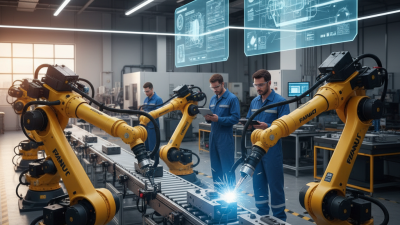
Implementing automation in manufacturing can significantly enhance efficiency. When installing automation equipment, clear steps guide the process. Choosing the right hardware is crucial. It is essential to assess production requirements carefully.
Consult industry reports which indicate that automation can increase productivity by up to 30%. This data underscores the need for informed decision-making.
The installation phase demands precision. Begin with site preparation. Ensure that the workspace accommodates the new systems without causing disruption. Proper alignment and calibration must follow. Many factory operators overlook this, leading to system failures.
Data shows that improper setup can result in up to 25% downtime. Continuous monitoring is vital during this phase.
Training staff on the new equipment is another key step, often underestimated. Workers must understand operational processes, maintenance routines, and troubleshooting methods.
Surveys indicate that about 70% of automation initiatives fail due to inadequate training. Remember, while automation enhances efficiency, it cannot replace skilled labor's critical thinking. Regular assessments of the automated systems can help identify issues before they escalate.
Integrating Fanuc Automation with Existing Manufacturing Processes
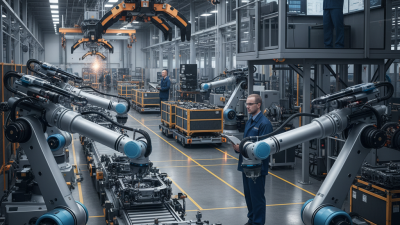
Integrating automation into existing manufacturing processes can be challenging. The key is to identify areas where automation can enhance efficiency. Start by analyzing your current workflow. Look for repetitive tasks suitable for automation. This could include assembly, quality checks, or material handling.
Once you identify these areas, consider the integration step carefully. The existing machinery and systems must work with the new automation tools. This can necessitate modifications to software systems or machine interfaces. Testing is crucial here; small trials will help reveal potential issues before full-scale implementation.
Incorporating automation also requires training staff. They need to understand not just how to operate new systems, but also troubleshoot them. Encourage open communication about challenges and successes. This engagement can help in refining the process and achieving a smoother transition. Remember, it's a journey with learning curves and adjustments along the way.
Implementation of Fanuc Automation in Manufacturing Processes
Training Employees to Utilize Fanuc Automation Effectively
Training employees to utilize automation effectively is crucial for any manufacturing process. Many companies invest in advanced technology but overlook the human element. Without proper training, employees may struggle to operate new systems efficiently. This gap can lead to wasted resources and decreased productivity.
Hands-on training sessions are essential. Employees benefit from practical experience with the equipment. Simulations or pilot projects can help bridge the learning curve. Regular workshops enhance their problem-solving skills. Employees often face challenges with software updates and system integrations. Addressing these issues through ongoing training ensures they remain confident and competent.
Monitoring employee progress is equally important. Collect feedback regularly to understand areas for improvement. Frequent assessments can highlight skill gaps and determine additional training needs. A culture of continuous learning fosters innovation. Sometimes, employees may resist change. Open discussions about these challenges can lead to valuable insights. This iterative training approach strengthens the workforce and aligns with evolving technology.